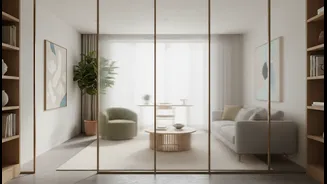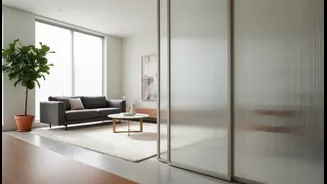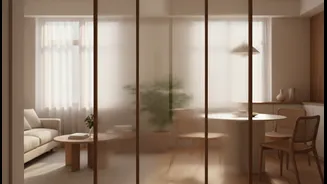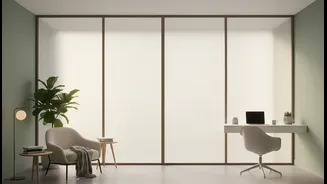




What Exactly Is Fluted Glass?
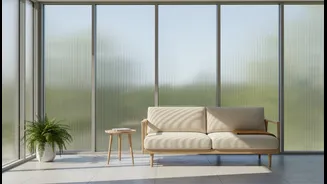
Fluted glass, also known as reeded or ribbed glass, is a type of textured glass featuring elegant vertical grooves. These grooves are pressed into the glass during its formation, creating a distinctive, decorative pattern. Unlike clear glass, which offers
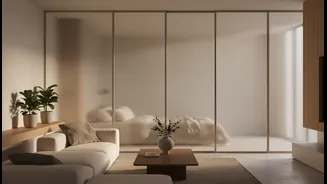
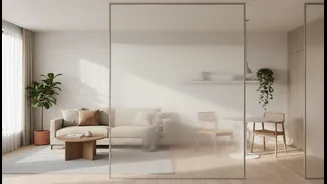
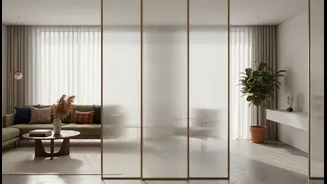
no privacy, or frosted glass, which can block too much light, fluted glass strikes a perfect balance. The texture subtly distorts the view, obscuring details and providing a sense of seclusion without sacrificing the flow of light. This unique quality has made it a favourite among architects and interior designers aiming to craft spaces that feel both open and intimate.
The Magic of Light and Privacy
The primary appeal of fluted glass in a home setting is its ability to manipulate light and vision. The vertical ribs catch and diffuse light, scattering it softly throughout a room and reducing harsh glare. This creates a warm, ambient glow that can make a small space feel more inviting and expansive. At the same time, it provides a functional layer of privacy. Shapes and movements are visible, but distinct details are blurred, making it an ideal choice for areas where you need screening without creating a dark, enclosed box. Think of a bathroom shower screen that keeps the space feeling airy, or a partition for a home office that needs to feel separate but not isolated.
Creating Zones Without Walls
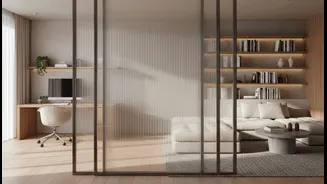
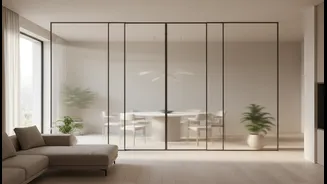
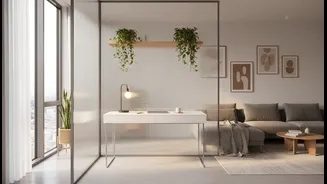
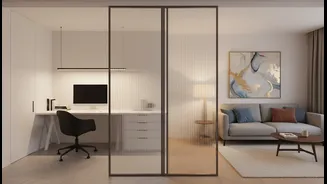
In many modern Indian apartments and compact homes, open-plan living is common, but defining distinct functional areas can be a challenge. Fluted glass excels as a tool for “zoning.” Instead of building a solid brick wall to separate a living area from a dining nook, or a kitchen from a utility space, a fluted glass partition can create a visual division while allowing light and a sense of connection to flow between the zones. Sliding or fixed panels can delineate a study corner, a prayer area, or a walk-in wardrobe, adding architectural interest and making the home more organised without the bulk and permanence of traditional walls.
Stylish Applications for the Indian Home
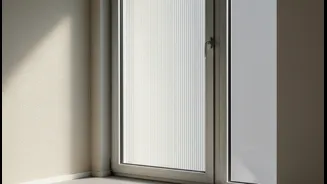
The versatility of fluted glass allows it to be used in numerous creative ways. In the kitchen, it can be used for cabinet doors to hide clutter while maintaining a lighter look than solid shutters. In bathrooms, it serves as a chic and practical shower screen or partition. For bedrooms, a fluted glass door for an ensuite bathroom or closet adds a touch of hotel-like luxury. It can also be used for internal doors or windows between rooms, such as between a kitchen and living area, to borrow light and create visual continuity. Framed in black metal for an industrial look or wood for a warmer, mid-century feel, it adapts to various decor styles.
Practical Points to Consider
Before incorporating fluted glass, it's wise to consider a few practical aspects. In terms of cost, fluted glass is typically more expensive than plain glass, with prices varying based on thickness, type (clear, tinted, or frosted), and brand. For a more budget-friendly approach, a reeded window film can be applied to existing plain glass to replicate the look at a lower cost. Maintenance is relatively straightforward; while the grooves can trap dust, regular cleaning keeps it looking pristine, and the texture can help hide minor smudges or water streaks more effectively than clear glass. It's also a durable material, often made from toughened glass for safety in applications like doors and partitions.