








Turmeric (Haldi)
This golden spice is a cornerstone of Indian cooking and traditional medicine for good reason. During the monsoon, when infections are common, turmeric's active compound, curcumin, offers powerful anti-inflammatory and antioxidant properties. A glass
of warm haldi doodh (turmeric milk) before bed can help soothe your throat and strengthen your body’s defenses against seasonal colds and coughs. Its ability to support immunity makes it an essential spice for the rainy months.
Ginger (Adrak)
Ginger is a go-to remedy for monsoon-related ailments like coughs and colds. Its active compound, gingerol, has potent anti-inflammatory and antimicrobial properties that can help fight off infections. Ayurvedic tradition values ginger for its ability to aid digestion, which tends to be sluggish during this season. Starting your day with ginger-infused water or adding it liberally to your tea and curries can help keep your digestive system strong and soothe throat irritation.
Corn (Bhutta)
The sight and smell of roasted bhutta is a classic monsoon experience in India. More than just a nostalgic snack, corn is a nutritious seasonal delight. It is a good source of dietary fibre, which aids digestion and promotes a feeling of fullness, helping you avoid heavier, fried snacks. Corn also provides essential nutrients like B vitamins, magnesium, and antioxidants that support overall energy and health. It's a healthier, lighter alternative to many other popular rainy-day treats.
Jamun (Indian Blackberry)
This deep-purple fruit is a true monsoon superfood. Jamun is packed with Vitamin C and powerful antioxidants called anthocyanins, which help boost the immune system and fight off infections that are common during the rainy season. It's also beneficial for digestive health due to its fibre content and astringent properties. Furthermore, compounds in jamun like jamboline are known to help regulate blood sugar levels, making it a great choice for many.
Gourds (Lauki, Turai)
Vegetables like bottle gourd (lauki) and ridge gourd (turai) are staples of a monsoon diet in India. They are incredibly easy to digest, which is crucial when the digestive system is naturally weaker. With high water content, they also help you stay hydrated. These gourds are light on the stomach and can be prepared in various simple ways, such as in soups, dals, or as a simple sabzi, providing nourishment without feeling heavy.
Pomegranate (Anaar)
These jewel-like seeds are a powerhouse of nutrients ideal for the monsoon. Pomegranates are rich in antioxidants and Vitamin C, which play a vital role in strengthening your immune system and protecting the body against infections like colds and flu. According to Ayurvedic principles, it's an easily digestible fruit that helps improve blood circulation and maintain energy levels during the damp, often gloomy, weather.
Garlic (Lehsun)
A close relative of the onion, garlic is prized for its potent medicinal properties, particularly during the monsoon. It contains allicin, a compound known for its strong antibacterial and antiviral effects, which can help your body fight off common seasonal illnesses. Including garlic in your daily cooking, especially in soups, dals, and vegetable dishes, is an easy way to boost your immunity and add flavour.
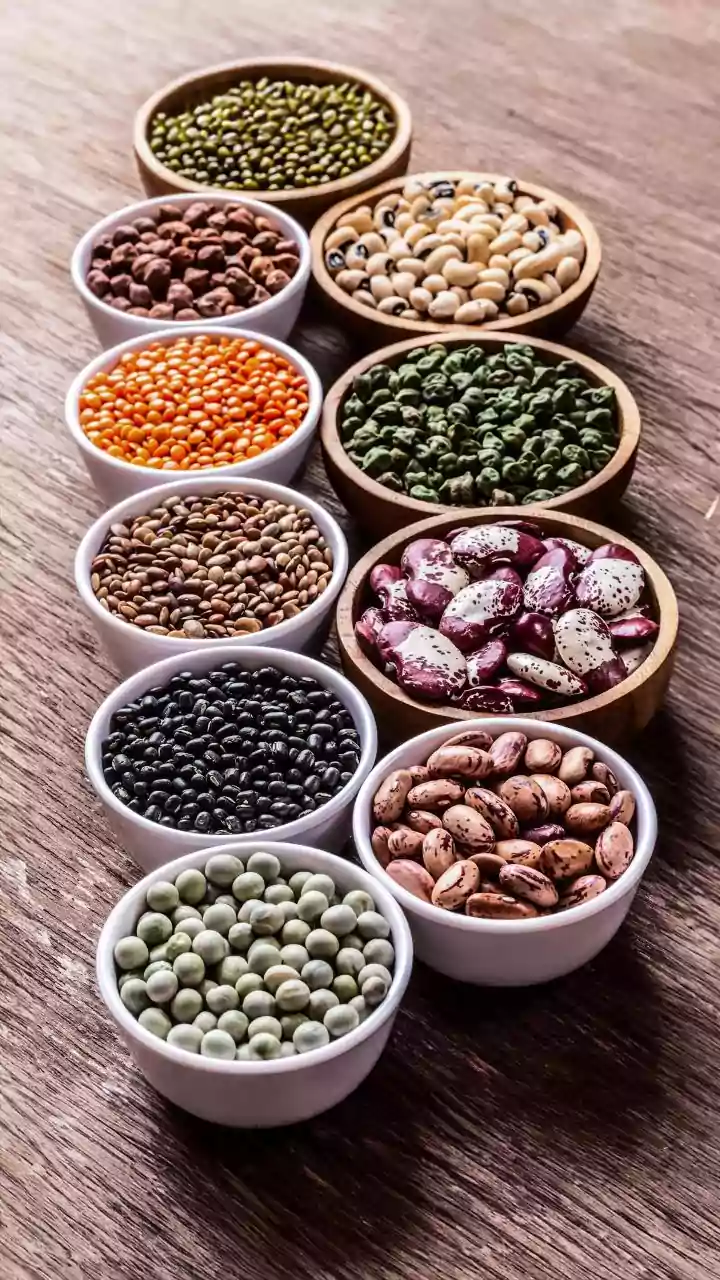
Moong Dal
When your digestion feels weak, moong dal is the perfect food. This lentil is exceptionally light and easy to digest, making it a go-to recommendation from doctors and nutritionists. It's an excellent source of plant-based protein and fibre, providing sustained energy without burdening the gut. A warm bowl of moong dal soup or a simple khichdi is not just comfort food; it's a nourishing meal that supports gut health and overall wellness during the rains.
Beetroot (Chukandar)
Vibrant and full of nutrients, beetroot is a fantastic addition to your rainy season diet. It's packed with essential vitamins, minerals, and antioxidants that help detoxify the body and boost stamina, combating the lethargy that can come with overcast days. Its high fibre content also supports a healthy digestive system. You can enjoy it boiled in salads, blended into a soup, or as a freshly pressed juice for an energising kick.
Herbal Teas
Nothing complements a rainy day better than a warm cup of tea. During the monsoon, herbal infusions made with ingredients like tulsi (holy basil), ginger, lemongrass, and cinnamon can be particularly beneficial. These teas are not only hydrating and comforting but also packed with immune-boosting and digestive-aid properties. Sipping on these warm beverages throughout the day can help keep infections at bay and provide relief from a sore throat or cold.