





Embrace Houseplants, But Realistically
Houseplants are nature's air filters and a great starting point. While their power to remove tiny PM2.5 particles is limited in a typical room, they are effective at absorbing other harmful indoor pollutants like formaldehyde and benzene, which are common
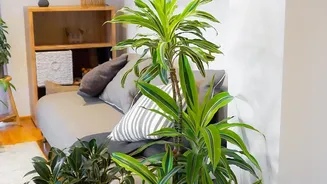
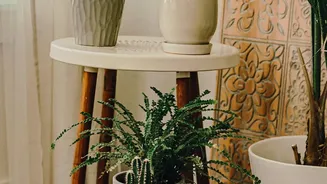
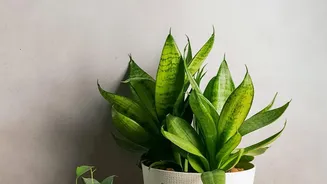
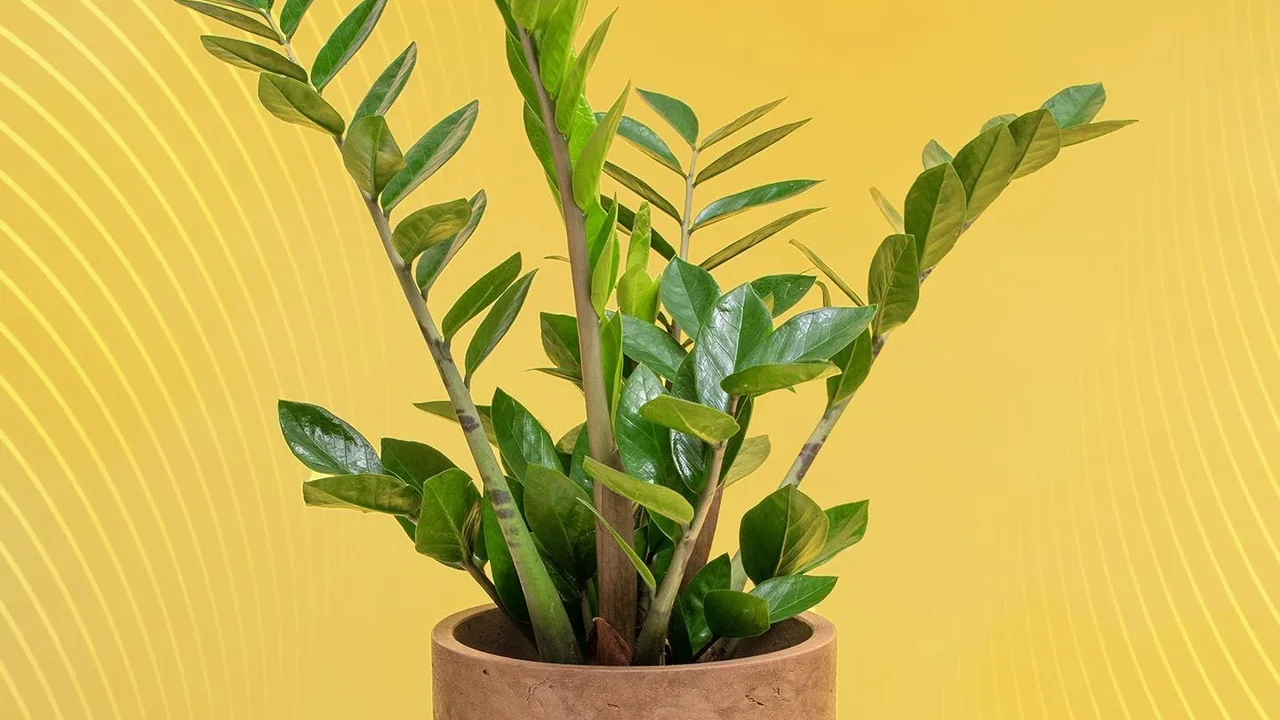
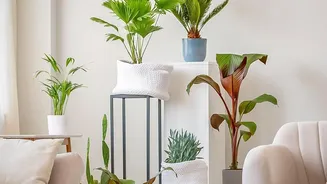
in furniture, paints, and cleaning agents. Plants like the Snake Plant, Areca Palm, Money Plant, and Peace Lily are hardy, easy to find in Indian nurseries, and have been noted for their air-purifying properties. The famous NASA Clean Air Study highlighted these plants' ability to remove toxins in sealed environments. While your home isn't a sealed lab, a collection of these plants can contribute to a fresher indoor environment and a sense of well-being.
Create a Balcony Barrier
Think of the greenery on your balcony or windowsill as the first line of defence. Densely planted balconies can act as a natural shield, helping to trap larger dust particles and pollutants before they enter your home. Plants with rough or hairy leaves are particularly good at capturing particulate matter. While this won't stop the finest particles, it reduces the overall dust load entering your home. Consider planting hardy, pollution-tolerant species like Neem or creating a vertical garden with plants like Spider Plants and Money Plants to maximize your green cover, even in a small space.
Reduce Indoor Pollutant Sources
Improving indoor air quality isn't just about adding good things; it's also about removing the bad. Avoid burning incense sticks, mosquito coils, and paraffin candles, which release soot and other irritants into the air. If you enjoy candles, opt for beeswax versions. They burn cleanly with almost no soot and are believed by some to release negative ions that help clear the air of dust and allergens. Switch to natural cleaning agents like vinegar and baking soda to reduce the amount of volatile organic compounds (VOCs) released by chemical cleaners.
Practice Strategic Ventilation
Completely sealing your home can trap indoor pollutants, but opening windows at the wrong time invites the smog in. The key is 'strategic ventilation'. Monitor the Air Quality Index (AQI) throughout the day. Often, the air quality is slightly better during sunny afternoons when temperatures are higher. Use these brief windows to open doors and windows for 10-15 minutes to allow fresh air to circulate and dilute indoor pollutants. For the rest of the day and night, especially during peak pollution hours in the morning and evening, keep windows and doors tightly shut. Properly sealed windows can significantly reduce the infiltration of outdoor pollutants.
Build a DIY Air Filter
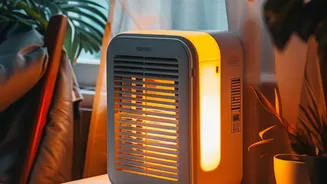
For a powerful, low-cost, and resourceful solution, consider building your own air purifier. The concept is simple: attach a High-Efficiency Particulate Air (HEPA) filter to a standard table or exhaust fan. You can purchase a genuine HEPA filter online—the same type used in expensive commercial purifiers—and strap it to the front of a fan. The fan pulls the room's air through the filter, which traps PM2.5 particles, dust, and allergens, before circulating the cleaner air back out. This DIY approach provides effective air cleaning for a fraction of the cost and empowers you to take control of your indoor air quality.
Control Dust with Wet Mopping
Particulate matter from outside eventually settles on indoor surfaces. Dry sweeping or dusting can simply send these harmful particles back into the air where they can be inhaled. The most effective way to remove this settled dust is by wet mopping floors and wiping down surfaces with a damp cloth. This technique traps the dust and removes it permanently from your living space. Make it a regular habit, especially during high-pollution days, to significantly reduce the amount of particulate matter circulating inside your home. Regular cleaning of carpets, curtains, and bedding is also crucial to minimize allergens and dust mites.