




Moving Beyond the Tourist Trail
Standard travel often involves a checklist of landmarks and photo opportunities. While enjoyable, this approach can sometimes feel superficial, leaving you as an outside observer. [10, 12] Cultural tourism, however, invites you to participate. [3, 4]
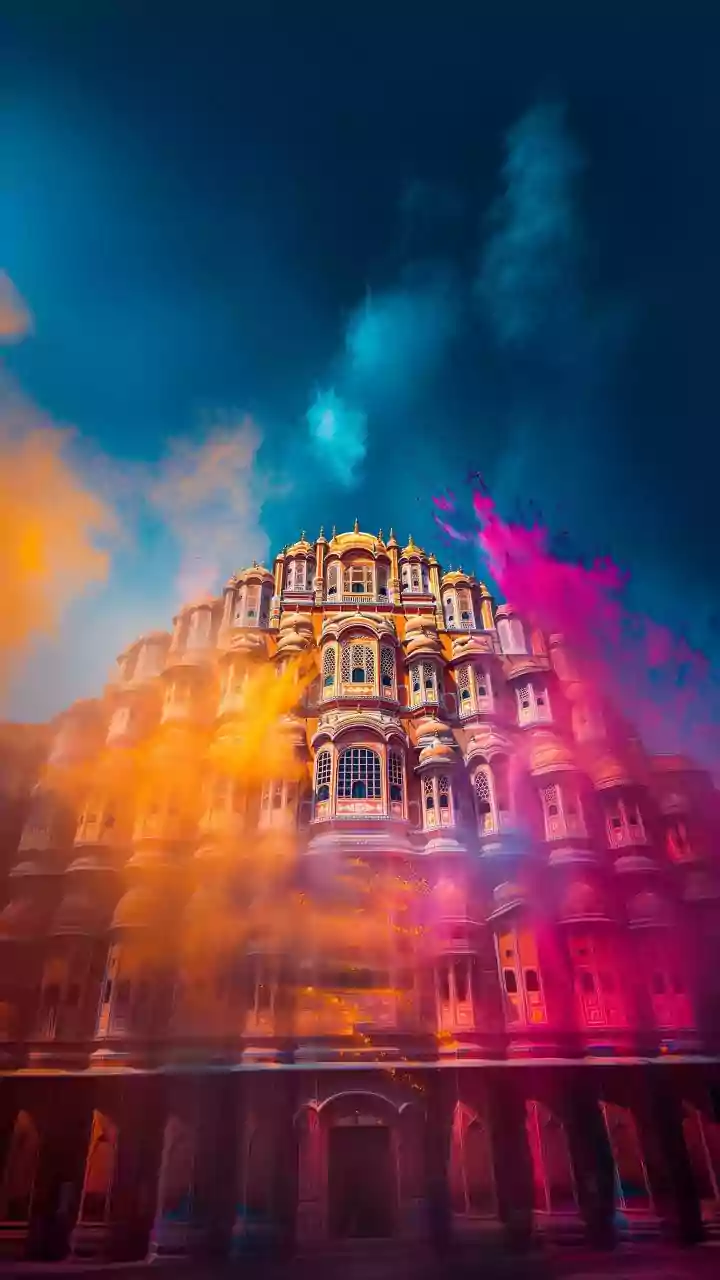
When you travel for a specific event, like the Lathmar Holi in Barsana or a local literature festival, the trip gains a narrative. [7, 11] The event itself becomes the anchor, giving your journey a clear focal point and structure. [14] Instead of just seeing a place, you are experiencing it during a time of heightened energy and significance, creating sharper, more emotionally resonant memories. [14]
A Gateway to Authentic Connection
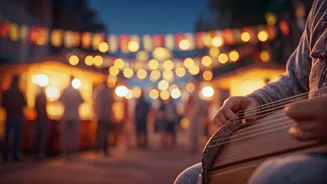
One of the most rewarding aspects of travel is connecting with people, but it's not always easy to move beyond transactional encounters. Festivals and cultural celebrations provide a natural bridge. [3] They are moments when a community's identity is on full display, and participating offers an authentic window into their traditions, values, and way of life. [17] Whether you're sharing a meal during Onam in Kerala or joining the vibrant street processions of Durga Puja in Kolkata, you're no longer just a tourist; you are a temporary part of the community. [7, 8] These shared experiences foster a deeper sense of understanding and empathy that a typical sightseeing tour rarely achieves. [18]
A Growing Trend in Indian Travel
This desire for more meaningful travel is not a niche interest; it's a fast-growing trend. A recent Skyscanner report revealed that 82% of Indian travellers are keen to visit destinations for their cultural offerings, with millennials and Gen Z leading the charge. [7, 8, 9] A remarkable 76% of Indian travellers have even changed their plans specifically to attend a cultural event. [8, 9] This shows a significant shift from travel being about simple leisure to being a quest for knowledge, connection, and transformation. The success of a trip is increasingly being measured not by the sights seen, but by the new perspectives gained and the stories brought home. [7]
From Grand Spectacles to Local Secrets
The beauty of this travel style is its versatility. It can mean planning a trip to Germany for Oktoberfest or to the Rio Carnival, but it can also be about discovering lesser-known cultural gems. [16] Think of the Ziro Music Festival in Arunachal Pradesh, the Hornbill Festival in Nagaland, or a regional food festival celebrating local cuisine. [16] Initiatives like Kerala Tourism 2.0 are actively building travel experiences around local events, from the Thrissur Pooram to the Kochi-Muziris Biennale, recognising that authentic culture is a powerful draw. [20] By choosing these events, travellers not only enrich their own experience but also contribute directly to the local economy and help preserve cultural heritage. [2, 5, 17]