
An Unplanned Scientific Opportunity
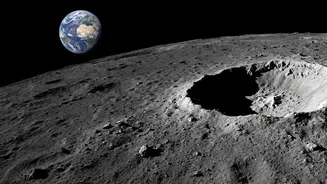
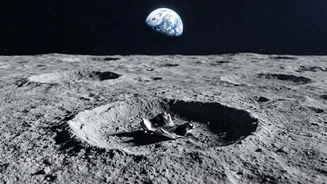
On August 5, 2026, the upper stage of a SpaceX Falcon 9 rocket is expected to slam into the lunar surface at over 8,000 kilometres per hour. The nearly four-tonne booster is a leftover from a January 2025 mission that successfully delivered a commercial
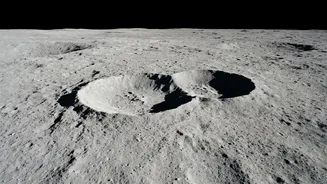
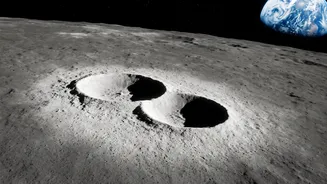
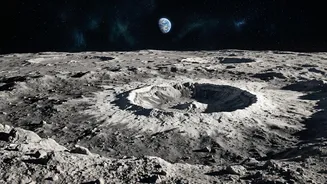
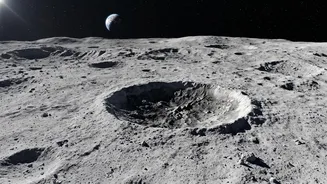
lander to the Moon. Since then, it has been in a chaotic orbit, with solar activity and gravitational forces gradually altering its path. Independent astronomers first tracked its trajectory and predicted the impact, which NASA later confirmed. The rocket stage will carve a new crater, estimated to be about 18 metres wide, near a region known as Einstein Crater. While the impact highlights the growing issue of space debris, scientists are seizing it as a rare opportunity to study a high-velocity collision on the Moon in real time.
The Science of the Plume
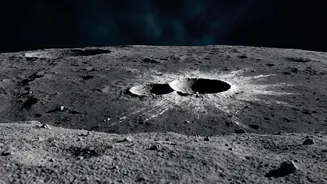
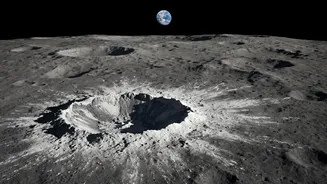
The main event for scientists is not the crash itself, but the aftermath. The impact will excavate a significant amount of lunar material, throwing a massive cloud of dust and rock — known as an ejecta plume — high above the surface. This plume may tower several kilometres high and hang in the vacuum of space for several minutes before settling. Though the initial flash will be difficult to see, this plume of debris will scatter sunlight, making it potentially visible to ground-based and space-based telescopes. By observing the plume's size, shape, and behaviour, researchers can gather invaluable data. This material is a sample of the Moon's subsurface, offering a glimpse into the geology that lies beneath the top layer of dust without having to land a mission and drill.
The Persistent Problem of Moon Dust
This research is critical because of a major challenge that plagued the Apollo missions and remains a top concern for the upcoming Artemis program: lunar dust. Unlike the soft, weathered dust on Earth, lunar regolith is composed of tiny, sharp, glass-like particles formed by billions of years of micrometeoroid impacts. This dust is incredibly abrasive and, due to the lack of an atmosphere and exposure to solar radiation, it becomes electrostatically charged. Apollo astronauts found that it clung to everything, wearing down spacesuit fabrics, clogging mechanisms, scratching visors, and compromising seals. Apollo 17 commander Gene Cernan called it one of the greatest inhibitors to operating on the Moon. Understanding its properties is not just an academic exercise; it's a matter of astronaut safety and mission success.
Paving the Way for a Return to the Moon
Observing the Falcon 9 impact provides a real-world test for scientific models. The data will help researchers refine their understanding of how dust is disturbed and transported during landing and launch events, which create similar, albeit more controlled, plumes. This knowledge is vital for NASA and its commercial partners as they plan for a sustained human presence on the Moon. Better data on dust behaviour will inform the design of more resilient spacesuits, habitats, and equipment. Engineers can develop more effective mitigation strategies, from special coatings that repel dust to new protocols for keeping the abrasive material out of sensitive habitats and machinery. This unplanned impact serves as a low-cost experiment that will help ensure future explorers are better prepared for the harsh lunar environment when the Artemis missions establish a long-term foothold on the Moon.