


Feast for a Few Lari
Georgian food is a highlight for any traveler, and thankfully, it’s incredibly budget-friendly. The key is to eat like a local. Start your day at a neighbourhood bakery (a 'tone') for a fresh shotis puri (boat-shaped bread) for about 1.50 GEL. For lunch
and dinner, dive into the national treasures: khachapuri (cheese-filled bread) and khinkali (meat or vegetable dumplings). A hearty khachapuri can be a meal in itself for just a few lari, while khinkali are priced per piece, often costing less than 2.50 GEL each. Many restaurants require a minimum order of five, but that’s a perfect solo meal. Look for restaurants like Samikitno or local canteens, which are always packed with Georgians and offer huge portions at low prices. By sticking to these staples, you can easily eat well for under 40 GEL per day.
Master the Marshrutka
The backbone of Georgian transport is the marshrutka, a shared minibus that connects almost every city, town, and village. While they might seem chaotic at first, they are the cheapest way to travel between destinations. Fares are incredibly low; for example, a four-hour journey from Tbilisi to Kutaisi can cost around 20 GEL, and the trip to the mountain town of Kazbegi is about 15 GEL. In Tbilisi, major marshrutka stations like Didube serve destinations across the country. There’s often no formal booking system—you simply find the van with your destination sign, pay the driver, and wait for it to fill up. For travel within Tbilisi, the metro is even cheaper, with a single ride costing 1 GEL and offering free transfers for 90 minutes.
Hike the Mountains for Less
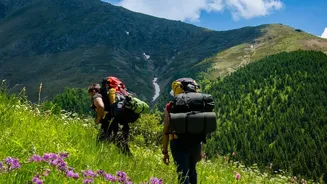
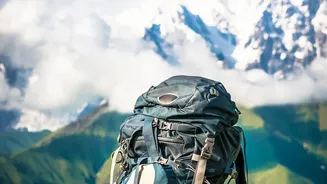
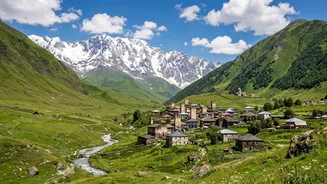
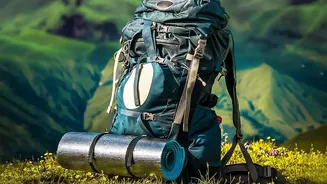
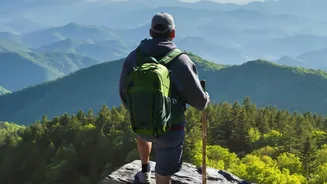
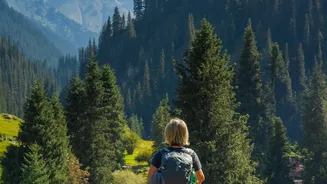
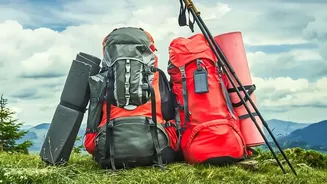
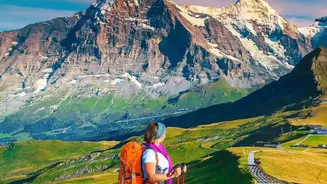
You don’t need expensive tours to experience the epic beauty of the Caucasus Mountains. For popular routes like those in Kazbegi or Svaneti, a shared transfer can be a cost-effective alternative to a private driver. Companies like Budget Georgia offer shared services to mountain destinations, which are more comfortable than a marshrutka but still cheaper than a private taxi. Once you've arrived in a mountain hub like Mestia or Kazbegi (also known as Stepantsminda), many of the most famous hiking trails are free to access. The iconic trek to Gergeti Trinity Church from Kazbegi, for instance, is a popular and manageable hike you can do independently. For longer treks like the four-day route from Mestia to Ushguli, staying in local guesthouses along the way provides an affordable and authentic experience.
Discover Cities on Foot
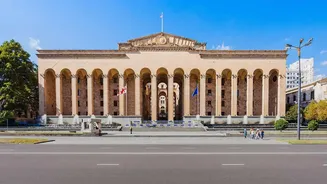
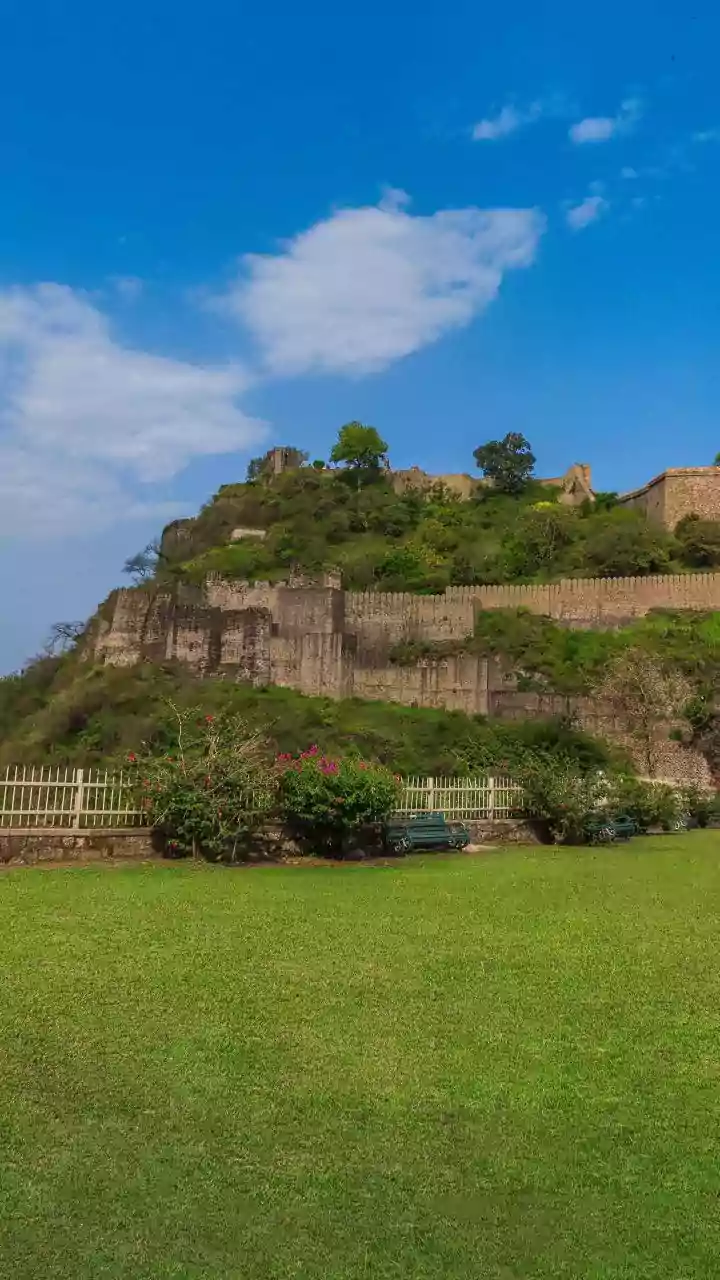
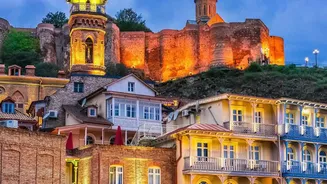
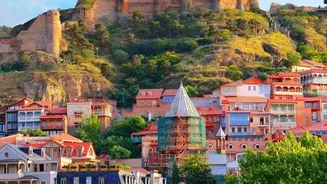
Exploring Georgia’s cities costs next to nothing if you’re willing to walk. Tbilisi, with its winding alleys and hidden courtyards, is perfect for self-guided exploration. A great way to get your bearings is by joining a free walking tour. Numerous operators offer daily tours that cover major landmarks like Freedom Square, Narikala Fortress, and the historic sulfur bath district. These tours operate on a pay-what-you-feel model, where you tip the guide based on your satisfaction. It’s an excellent way to learn about the city's history from a local perspective and get insider tips on where to eat and what to see. Beyond the tours, many of the city's main attractions, such as its many churches and the striking Bridge of Peace, are completely free to visit.
Embrace Guesthouse Hospitality
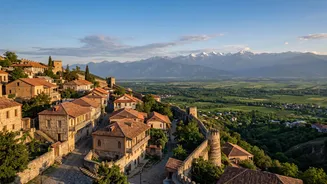
For accommodation, skip the hotels and embrace Georgia’s network of guesthouses and family-run homestays. Especially outside of Tbilisi, these offer the best value for money and a chance to experience authentic Georgian hospitality. A dorm bed in a hostel can cost as little as 25-40 GEL ($9-15), while a private room in a guesthouse is often only slightly more. Many hosts will offer home-cooked meals—breakfast, and often dinner—for a small extra fee, which are usually delicious, incredibly generous, and more affordable than eating out every night. This is particularly true in mountain regions like Svaneti, where a guesthouse stay often includes a hearty dinner, perfect after a long day of hiking.