

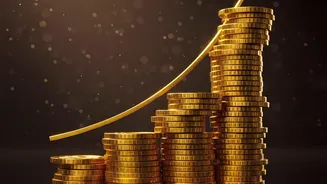
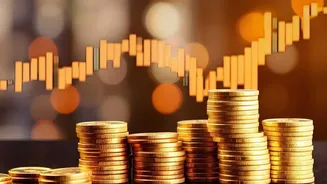
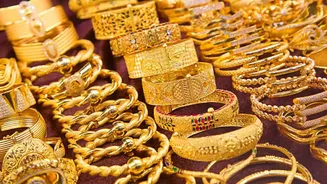
In India, gold is more than an investment; it's a symbol of security and tradition. But a look at its performance since the 1970s shows a volatile history, with massive gains often followed by long periods of stagnation or sharp declines.
The First Great Rally: 1970s
The modern era
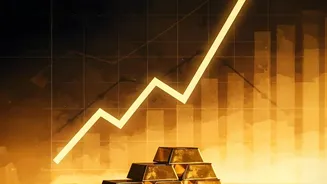
for gold began in 1971, when the U.S. delinked the dollar from a fixed gold price. This allowed the metal's value to float freely, and it took off. Driven by high inflation, geopolitical instability, and economic uncertainty, gold surged from around $35 per ounce to a spectacular peak of $850 in January 1980. For investors, it was a staggering gain of over 2,300% in under a decade, cementing gold's reputation as the ultimate hedge against economic turmoil and a devaluing currency. This period demonstrated for the first time in the modern era how powerfully gold could rally when global confidence faltered.
The Long Correction: 1980-2000
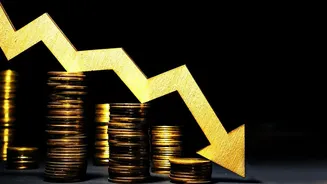
What followed the 1980 peak was a lesson in gravity. The aggressive anti-inflation policies of the U.S. Federal Reserve led to higher interest rates and a stronger dollar, making non-yielding gold less attractive. As inflation was tamed and stock markets boomed, gold entered a prolonged bear market. For nearly two decades, its price trended downward, eventually bottoming out near $250 per ounce in 1999. Investors who bought at the 1980 peak faced a painful 20-year wait just to break even, a stark reminder that gold's value is not a one-way street.
The 21st Century Resurgence
Gold began its next major rally in the early 2000s. A combination of factors reignited investor interest: the dot-com bubble bursting, the 9/11 attacks, and the lead-up to the 2008 Global Financial Crisis. As central banks slashed interest rates and pumped money into the financial system, investors once again flocked to gold as a safe-haven asset. This bull run pushed the price to a new record high of over $1,900 per ounce in 2011, capping a decade of strong, consistent gains.
An Era of Renewed Volatility
Since the 2011 peak, gold's journey has been marked by continued volatility. The price saw a significant correction, falling back towards $1,000 per ounce for several years before finding new life. More recently, events like the COVID-19 pandemic, renewed geopolitical conflicts, and persistent inflation concerns have pushed gold back into the spotlight, driving it to new all-time highs above $2,000. This period has been further defined by a structural shift: central banks, particularly from emerging markets like India and China, have become major buyers, adding a new layer of support to the market.
What Drives the Price of Gold?
The history of gold reveals several key drivers. It often performs well during periods of high inflation, as it is seen as a store of value when currencies are losing purchasing power. However, its price is inversely affected by interest rates; when rates rise, holding non-yielding gold has a higher opportunity cost. The strength of the U.S. dollar is another critical factor, as gold is priced in dollars globally. Finally, geopolitical and economic uncertainty consistently boosts its appeal as a 'safe-haven' asset, attracting investors during crises.