



The entryway is the first and last impression of your home, but it often becomes a chaotic dumping ground for bags, shoes, and mail. The secret to a tidy entryway isn't constant cleaning; it's creating a smart, intuitive system.
Understand Your 'Clutter Story'
Before buying a single
basket or hook, take a moment to observe. Where does clutter actually accumulate? For many, shoes are the biggest culprit, creating a pile by the door. For others, it's a scattering of keys, mail, and sunglasses on the nearest flat surface. This happens not because of bad habits, but because of poorly designed space. By identifying what you need to store—be it school bags, dog leashes, or sports gear—you can create a plan that addresses your specific problems instead of applying a generic solution. The goal is to create a system that works with your daily routine, not against it.
Assign Everything a Home
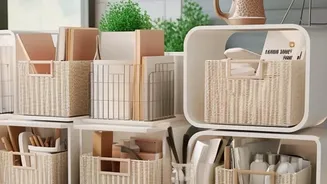
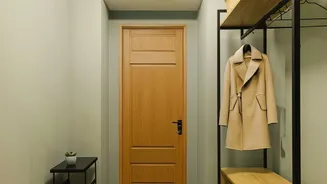
The golden rule of organization is that everything needs a designated home. This is especially true in a high-traffic zone like an entryway. When items have a clear and logical place, they are far more likely to be put away. This means creating specific zones: hooks for coats and bags, a cabinet or rack for shoes, and a dedicated spot for small essentials. For families, assigning a specific hook or basket to each person can eliminate confusion and build good habits. Even guests will appreciate a clear spot to place their belongings, making them feel instantly welcome.
Maximize Vertical and Concealed Storage
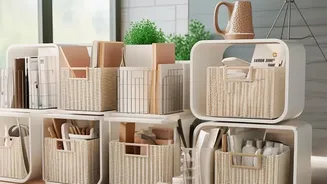
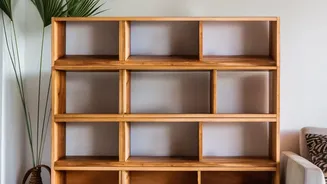
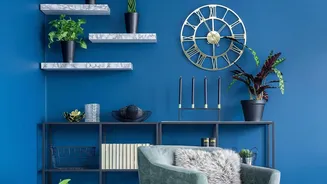
In many homes, entryway floor space is limited. The solution is to think vertically. Wall-mounted hooks, floating shelves, and tall, narrow cabinets can dramatically increase your storage capacity without crowding the walkway. At the same time, don't underestimate the power of concealed storage. While open hooks are great for frequently used coats, a cabinet with doors or a bench with a lift-up top can hide away the visual noise of shoes, seasonal gear, and other less-used items. This combination of accessible open storage and tidy closed storage creates a space that feels both functional and calm.
Establish a Daily 'Drop Zone'
One of the simplest yet most effective tools for an organized entryway is a 'drop zone' or 'landing strip'. This is a small, dedicated area for the items that come out of your pockets the moment you walk in the door: keys, wallet, phone, and mail. It doesn’t need to be elaborate; a simple decorative tray, a small bowl, or a wall-mounted organizer on a console table works perfectly. This small habit prevents these essential items from getting lost or contributing to countertop clutter, ensuring you can always find them when you're heading out.
Provide a Place to Sit
An often-overlooked element of a functional entryway is seating. Providing a bench, stool, or chair makes it much easier for family members and guests to take off their shoes comfortably. This simple addition encourages the habit of removing shoes upon entry, which helps keep the rest of the home cleaner. Many benches are designed with built-in storage underneath, offering a dual-purpose solution for stowing away footwear or bags. Even a small ottoman can make a big difference in both the function and feel of the space.
Build a Reset Routine
Even the best organizational system needs maintenance. Busy mornings and rushed afternoons can lead to temporary chaos. The key is to prevent it from becoming permanent. Implement a quick 'reset routine' at the end of each day or once a week. This only takes a few minutes: hang up the coats that have been draped over a chair, put the shoes back in their rack, and sort the mail from the drop zone. Another crucial part of this routine is rotating items seasonally. Store away heavy winter coats and boots during the summer to free up valuable space for in-season essentials. This regular tidying ensures your system continues to work for you.