




Designed for Different Eras
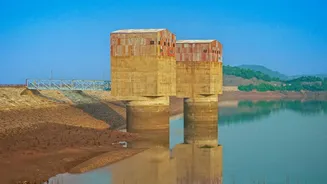
At the heart of this issue is a fundamental mismatch in engineering timelines. A large dam, a monumental work of civil engineering using vast amounts of concrete and earth, is typically designed for a service life of over 100 years. With proper maintenance,
many can last much longer. In contrast, the industrial facilities they support, such as coal or nuclear power plants, have a much shorter operational window. Coal plants generally have a lifespan of 30 to 40 years, while nuclear plants are often designed for 40 to 60 years. The mechanical and electrical components, from turbines to transformers, simply wear out or become technologically obsolete far more quickly than the dam itself. This creates an inevitable scenario where the plant is decommissioned, but the massive reservoir built to cool it or power its turbines remains.
When the Factory Falls Silent
The process of decommissioning a power plant is a complex undertaking. The machinery is dismantled, hazardous materials are managed, and the workforce is often displaced. For the utility company, the site can transform from an asset into a liability. But while the plant itself can be removed, the reservoir cannot be so easily erased. Draining a body of water that may cover many square kilometres is an ecological, logistical, and economic nightmare. Over decades, a new ecosystem has established itself in and around the water. Displacing that much water could cause significant downstream impacts, and the accumulated sediment at the bottom of the reservoir presents its own set of environmental challenges. The result is a permanent fixture on the landscape, a solution that has outlasted its original problem.
The Legacy of an 'Orphan' Reservoir
An ownerless or repurposed reservoir presents both challenges and opportunities. On the one hand, there is the critical issue of dam safety. India is home to thousands of large dams, with over a quarter of them already more than 50 years old. An aging dam requires constant monitoring and maintenance to prevent structural failures, especially as climate change brings more extreme weather events. Sedimentation is another major concern, as it gradually reduces a reservoir's storage capacity, which can impact flood control and water availability. The Dam Safety Act of 2021 was enacted in India to create a comprehensive framework for the surveillance and maintenance of these crucial structures, acknowledging the growing risks posed by an aging dam portfolio.
A Second Life: New Purpose and Potential
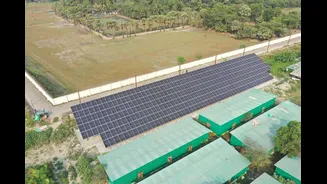
On the other hand, these legacy water bodies hold immense potential. With their basic infrastructure already in place, they are prime candidates for repurposing. One of the most promising uses is for pumped storage hydropower, where water is pumped to a higher elevation during times of low energy demand and released to generate electricity during peak hours. Old mine sites with existing reservoirs are already being converted for this purpose. These man-made lakes can also be adapted for new roles in public water supply, irrigation for agriculture, or even tourism and recreation, creating new economic avenues for local communities. Furthermore, the surface of these reservoirs is increasingly being seen as ideal real estate for floating solar panel installations, which can generate clean energy while also reducing water evaporation.