







A Field of Sun and Crops
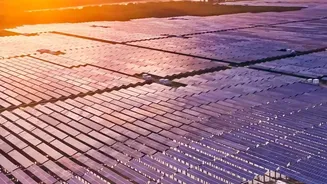
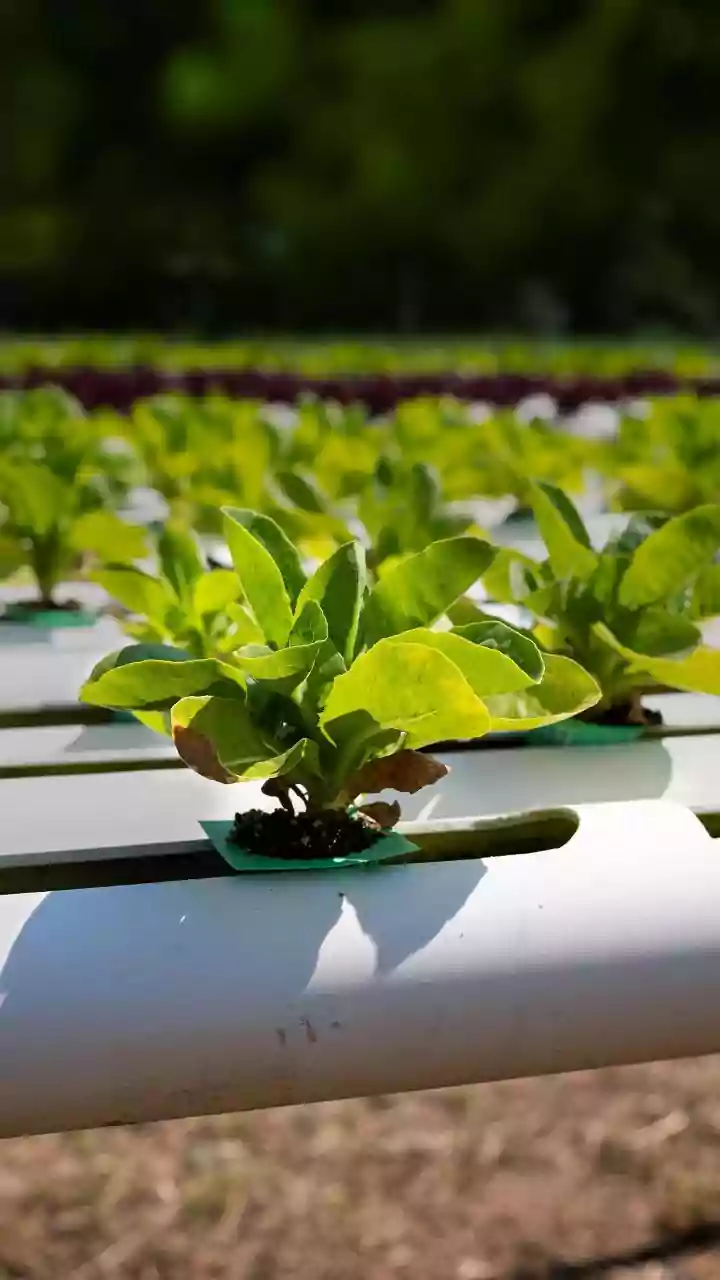
At its core, agrivoltaics is the practice of using the same piece of land for both agriculture and solar power generation. Instead of choosing between a field of crops or a field of solar panels, the two are integrated. Typically, this involves mounting
solar panels on structures elevated high enough to allow sunlight to reach the crops below and permit farm machinery to pass underneath. This dual-use model turns a farm into a multi-layered asset, harvesting sunlight for both photosynthesis and electricity. The concept is especially relevant for India, where land is a finite and often contested resource, and the need for both food and energy security is paramount.
The Policy Powering the Push
The "latest drive" for agrivoltaics is heavily backed by government policy aimed at achieving ambitious renewable energy targets while supporting the agricultural sector. The Pradhan Mantri Kisan Urja Suraksha evam Utthaan Mahabhiyan (PM-KUSUM) scheme is central to this effort. Launched in 2019 and updated since, PM-KUSUM encourages farmers to install solar power plants on their land and sell surplus power to the grid. While initially focused on barren land, the scheme now explicitly supports agrivoltaics on cultivable land. With proposals for a dedicated agrivoltaics component in a future PM-KUSUM 2.0, the government is signalling a clear intent to scale this model nationwide. States like Odisha are also creating partnerships to promote farmer-centric renewable energy projects.
The Farmer's Perspective: A Second Crop
For the average Indian farmer, whose income can be precarious and dependent on weather and market fluctuations, agrivoltaics offers a powerful new form of income diversification. By leasing land to developers or selling electricity to the local distribution company (DISCOM), farmers can secure a steady, predictable revenue stream that supplements their agricultural earnings. But the benefits go beyond direct income. The partial shade from solar panels can reduce water evaporation from the soil by up to 30%, conserving a precious resource. The panels also protect crops from extreme weather events like hailstorms and scorching heat, potentially leading to more stable or even improved yields for certain shade-tolerant crops like tomatoes, ginger, and turmeric.
The Policymaker's View: A Win-Win Solution
From a policy perspective, agrivoltaics addresses several strategic goals simultaneously. It helps meet India's renewable energy targets without sacrificing valuable agricultural land, a major point of conflict in large-scale solar projects. By generating power at the point of consumption in rural areas, it promotes decentralized energy and can reduce the transmission losses and subsidy burden on DISCOMs, which heavily subsidize electricity for agriculture. This approach not only boosts rural economies but also contributes to India's climate commitments and its vision for energy independence. It's seen as a climate-smart solution that strengthens resilience in the face of increasingly erratic weather patterns.
Hurdles on the Horizon
Despite its immense potential, the widespread adoption of agrivoltaics faces significant challenges. The primary barrier for farmers is the high upfront investment cost, which can be 30-40% higher than traditional ground-mounted solar projects due to the elevated structures required. This makes financing and subsidies crucial. There are also technical questions about optimizing panel design and layout for different crops and agro-climatic zones to ensure both agricultural yield and energy generation are maximized. Furthermore, navigating land-use regulations and ensuring seamless grid integration for thousands of small-scale power producers remain complex policy and administrative hurdles that need to be overcome.