








A Nationwide Food Safety Wake-Up Call
Across India, from Mumbai to Bengaluru, food safety authorities have recently intensified inspections of restaurants, hotels, and eateries, revealing a troubling pattern of non-compliance. In Maharashtra, the Food and Drug Administration (FDA) launched
a significant enforcement drive, inspecting dozens of establishments and suspending licenses for violations. Similarly, Karnataka's Health and Family Welfare Department deployed 30 special teams to conduct surprise checks on hotels and restaurants following a rise in public complaints. These crackdowns, which have also been seen in cities like Hyderabad, are not just routine checks; they are a response to growing concerns over food quality and hygiene. The inspections have covered a wide range of establishments, from high-end, five-star hotels to local bakeries, uncovering serious lapses that question the safety of the food served to millions.
What Inspectors Are Finding Behind the Scenes
The findings from these recent raids are alarming. Officials have uncovered a litany of violations that go far beyond minor infractions. Common issues include pest infestations like cockroaches and rats, the use of expired or rotten ingredients, and improper food storage. In Bengaluru, inspections revealed rotten meat with fungal growth and the seizure of hundreds of kilograms of expired food items. Other widespread problems include poor personal hygiene among staff, cross-contamination between vegetarian and non-vegetarian foods, unhygienic kitchens and washrooms, and the dangerous practice of reusing cooking oil beyond safe limits. A recent survey highlighted the scale of the problem, with over half of diners reporting they had personally witnessed such violations. These discoveries confirm that even premium-looking establishments can have serious issues behind the kitchen doors.
Understanding the Official Hygiene Ratings
To help consumers make safer choices, the Food Safety and Standards Authority of India (FSSAI) established the Hygiene Rating Scheme. This is a voluntary system where food businesses are rated on a scale of one to five based on their compliance with food safety and hygiene standards. A rating of three stars or higher is considered good. The rating is determined by an FSSAI-empanelled auditor who assesses factors like food handling practices, kitchen cleanliness, pest control, and personal hygiene of staff. However, the scheme is still not widely adopted; for instance, a report noted that out of over 25,000 eateries in Bangalore, only a tiny fraction were enrolled. Diners are encouraged to look for the prominently displayed FSSAI license and hygiene rating certificate, as their presence indicates a commitment to food safety.
A Diner's Guide to Spotting Red Flags
While you can't inspect the kitchen yourself, there are several clues you can look for to gauge a restaurant's hygiene standards. One of the most reliable indicators is the state of the public washroom; a clean, well-maintained washroom often suggests similar standards are upheld elsewhere. Pay attention to the dining area itself—are the tables, floors, and cutlery clean? Observe the staff's appearance. Are their uniforms clean? Do they follow basic hygiene practices? Another crucial step is to check if the restaurant's FSSAI license number is displayed on the premises or menu, as this is a mandatory requirement. Any reluctance to show this license, or the absence of a visible hygiene rating, can be a warning sign. These simple observations can help you make a more informed decision before you order.
Your Rights and How to Take Action
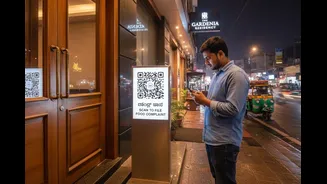
As a consumer, you have the right to safe food and the power to report violations. FSSAI has made it easier for citizens to act as the 'eyes' of the regulator by launching the 'Food Safety Connect' app, available on both Android and iOS. If you encounter unhygienic conditions, stale food, or any other food safety issue, you can use the app to file a complaint directly with the authorities. The process allows you to describe the issue, provide the restaurant's details, and even upload photographic evidence. Each complaint is given a unique tracking ID, allowing you to monitor its status. You can also file a complaint through the FSSAI website or by calling their toll-free number. By reporting violations, you not only protect yourself but also contribute to holding businesses accountable and improving food safety standards for everyone.