

The Modern Twist on Traditional Spreads
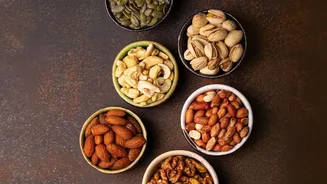
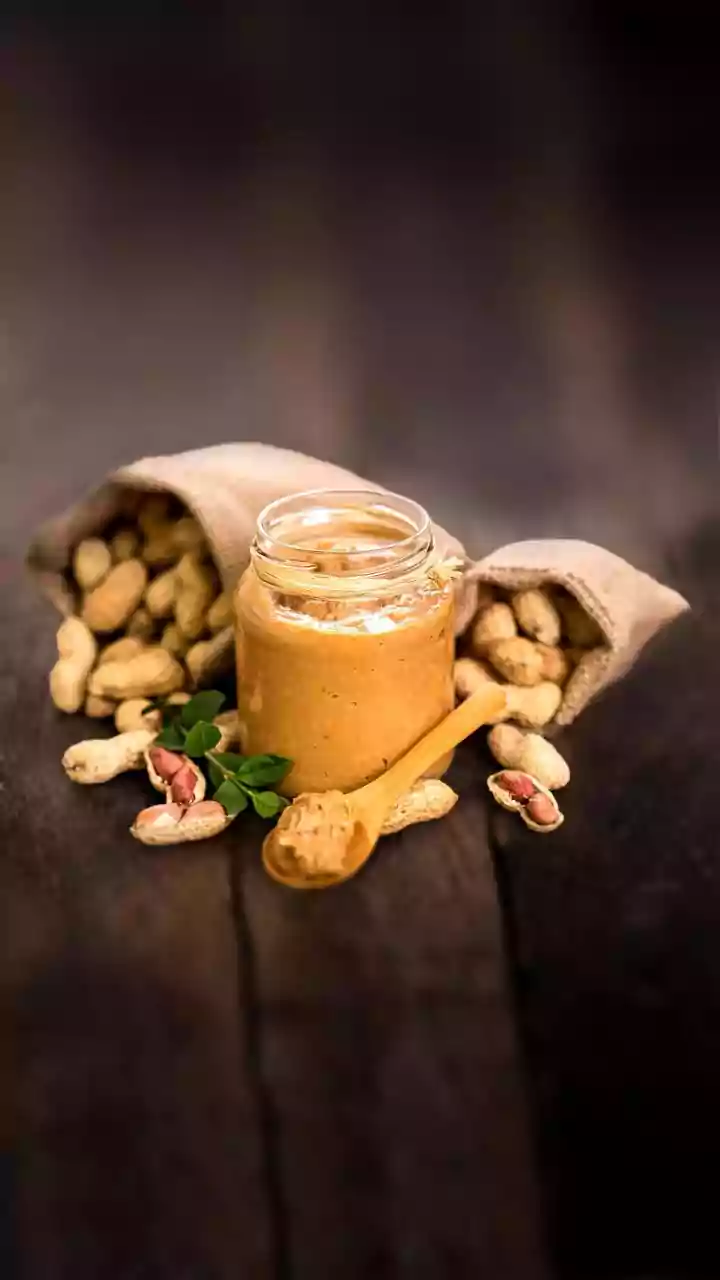
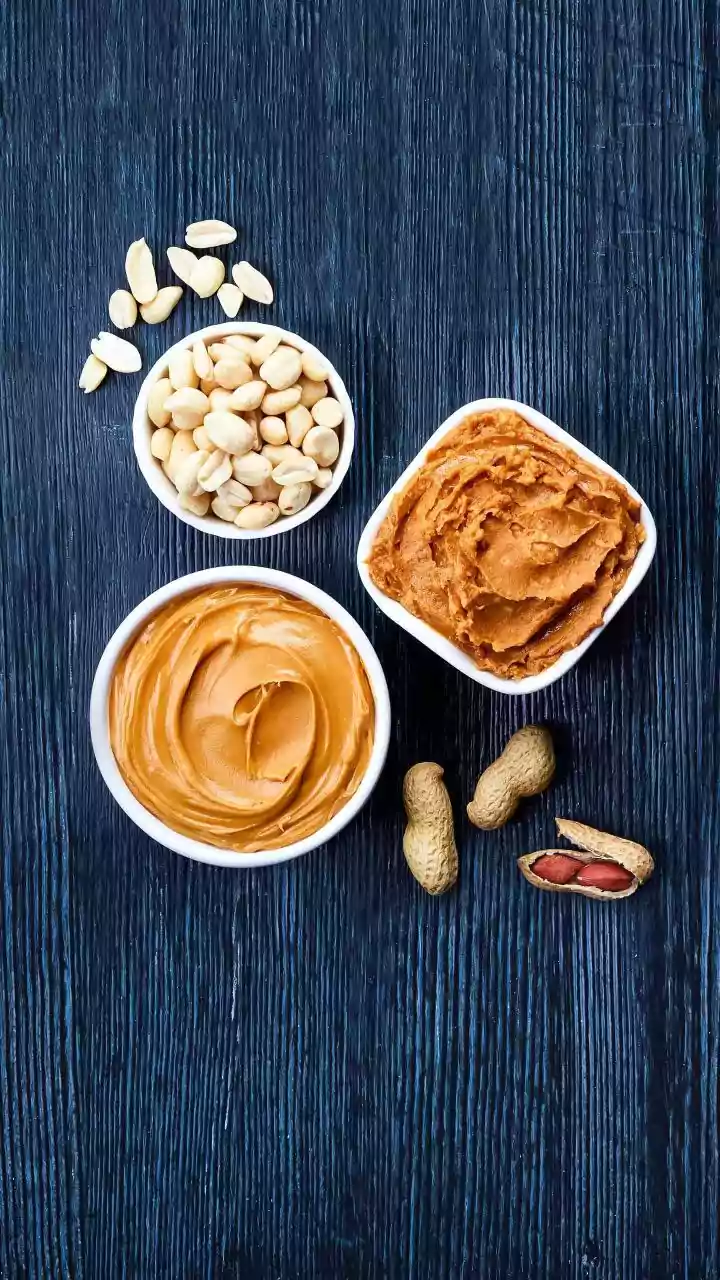
Nut and seed butters are no longer just a niche health food item. They have become pantry staples, celebrated for being packed with protein, healthy fats, and essential nutrients. These creamy spreads offer a fantastic foundation for a filling breakfast
or snack. While almond and peanut butter are well-known, the world of butters has expanded to include options like sunflower seed, pumpkin seed, and cashew. The concept is simple: nuts or seeds are roasted and ground until they form a smooth paste. What makes them truly special is the addition of spices—a practice that elevates them from merely tasty to functionally brilliant, tapping into centuries of culinary wisdom where spices are used for both flavour and wellness.
The Aromatic Power of Spices
Adding spices to nut and seed butters does more than just enhance their taste; it amplifies their health benefits. Many spices common in Indian kitchens are nutritional powerhouses. Cinnamon, for instance, is praised for its ability to help regulate blood sugar levels, making it a great addition for anyone managing their energy throughout the day. Turmeric, with its active compound curcumin, is a potent anti-inflammatory agent and antioxidant. Combining it with a source of fat, like that found in nut butters, can even help your body absorb it more effectively. Ginger is another excellent choice, known for aiding digestion and reducing inflammation. These spices work in harmony, turning a simple spread into a tool for better metabolic and inflammatory health.
Supercharged Seeds for a Nut-Free Boost
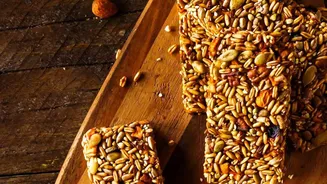
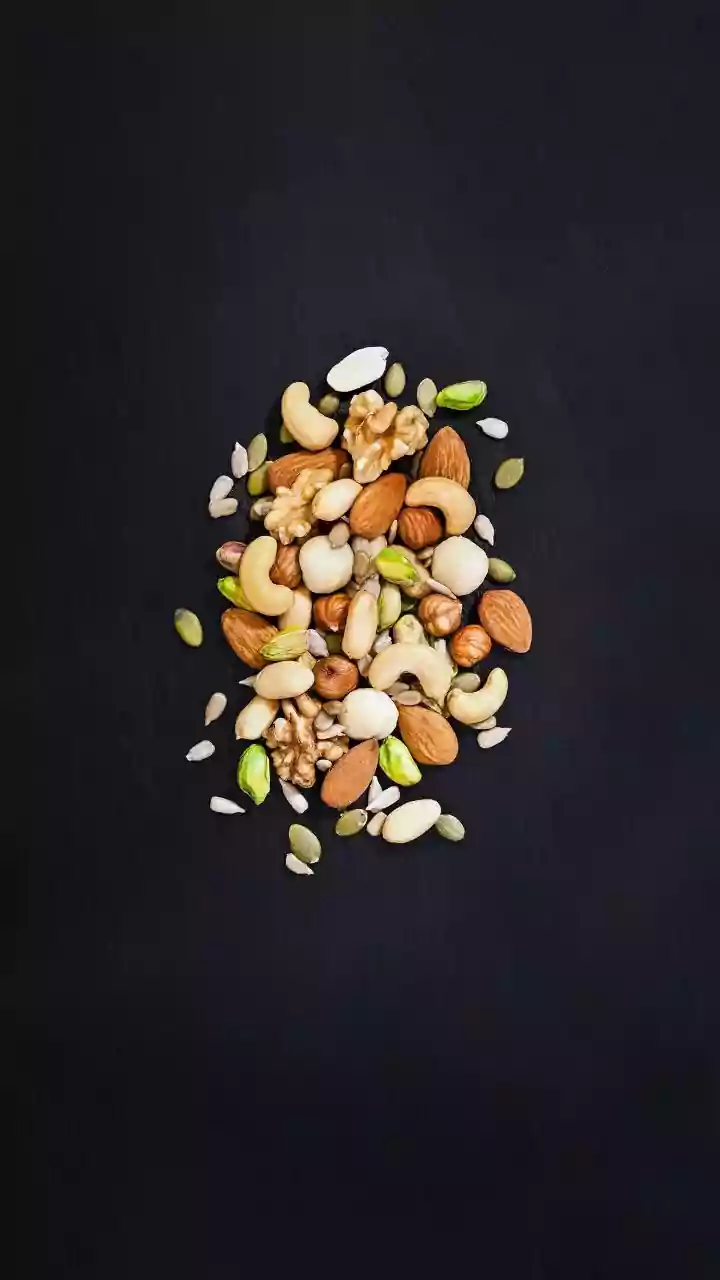
Seed butters are fantastic alternatives, especially for those with nut allergies. Pumpkin seed butter is a nutritional standout, offering a surprising amount of protein, iron, magnesium, and zinc. Its earthy flavour pairs beautifully with spices like cumin, cinnamon, and ginger. Sunflower seed butter is another excellent choice, rich in vitamin E and selenium, with anti-inflammatory properties. Its mild taste makes it incredibly versatile. Tahini, made from sesame seeds, is a cornerstone of Mediterranean cuisine and a great source of calcium and protein. These seed butters prove that you don't need nuts to create a spread that is both delicious and nutrient-dense.
Nutrient-Dense and Delicious Nut Butters
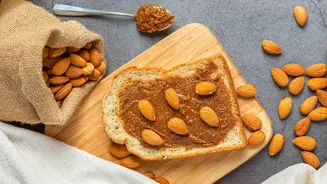
Classic nut butters remain popular for good reason. Almond butter is packed with healthy monounsaturated fats, vitamin E, magnesium, and fibre. It has a slightly sweet, creamy profile that works well with warming spices like cinnamon and nutmeg. Cashew butter is milder and naturally sweet, providing iron and zinc. Even the humble peanut butter, when chosen without added sugars or hydrogenated oils, is a great source of protein. The key with all nut butters is moderation, as they are calorie-dense. A serving size of one to two tablespoons is generally considered a healthy amount. Adding spices can enhance the flavour so much that you might find a smaller portion is more satisfying.
How to Enjoy Your Spiced Spreads
The uses for spiced nut and seed butters are nearly endless and go far beyond just spreading on toast. Swirl a spoonful into your morning oatmeal or yogurt for a boost of flavour and protein. Blend them into smoothies to add creaminess and nutrients. Use them as a dip for apple slices, bananas, or celery for a quick and filling snack. They can also be used in savoury dishes; a spiced almond or sunflower butter can form the base for a rich and creamy salad dressing or a flavourful sauce for grilled vegetables or chicken. You can even use them in baking as a replacement for oil or butter in muffins and cookies.