






The Cool-Down Is Non-Negotiable
The final minutes of a class are just as important as the first. A great instructor will lead a dedicated cool-down, guiding the group through 5 to 10 minutes of lighter movement and stretching. This isn't just about catching your breath; it's a critical
process that helps your heart rate and blood pressure return to normal gradually. A structured cool-down helps flush metabolic byproducts like lactic acid from your muscles, which can aid recovery. If an instructor ends the class abruptly and members scatter without any guidance on post-workout care, it’s a red flag. A quality gym or studio understands that the workout isn't truly over until your body has started its transition to a resting state. This shows a commitment to your well-being beyond just making you sweat.
Survey the Space for Recovery Tools
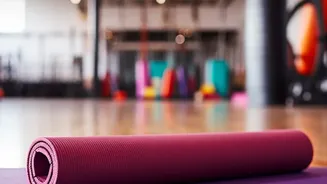
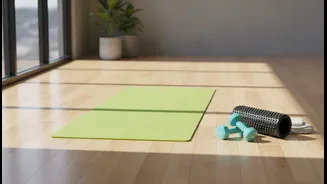
Once the class is done, take a look around the facility. Is there a designated area for members to stretch on their own? Look for essentials like foam rollers, massage balls, and stretching mats. The availability of these tools shows that the gym encourages and facilitates self-myofascial release, a technique proven to ease muscle tension, improve blood flow, and reduce soreness. Foam rolling after a workout can improve flexibility and speed up recovery by targeting tight spots and muscle knots. A gym that provides easy access to these tools is investing in its members' long-term health and injury prevention. A comfortable, clean space where you don't feel rushed to leave makes it easier to build a sustainable and healthy fitness habit.
Ask About Advanced Recovery Amenities
While not essential for every gym, dedicated recovery amenities are a sign of a premium, full-service facility. Don’t be shy about asking what’s available. Some gyms offer heat therapies like saunas or steam rooms, which can help relax muscles and improve circulation. Others may have cold therapies like ice baths or plunge pools, which can help reduce inflammation and swelling after an intense session. High-tech options are also becoming more common, such as compression boots that improve circulation or percussive massage guns for targeted deep-tissue work. The presence of these amenities indicates a deep commitment to the science of recovery. Even if you don't use them every time, they offer valuable options for days when you've pushed your limits.
Observe Hydration and Nutrition Cues
Recovery is deeply linked to refueling. Pay attention to how the facility supports hydration and nutrition. Are there easily accessible water stations? Staying hydrated helps your body flush out toxins, deliver nutrients to muscles, and reduce soreness. Some studios go a step further with a smoothie or snack bar offering post-workout shakes or healthy bites. Consuming a mix of protein and carbohydrates within a couple of hours after exercise is crucial for replenishing energy stores and repairing muscle tissue. Even if there isn't a cafe, a gym culture that promotes smart refueling—perhaps through signage or instructor advice—is a positive sign. It shows an understanding that fitness results are built both inside and outside the classroom.
Monitor Your Body the Next 48 Hours
Your evaluation continues long after you've left the gym. It's normal to experience Delayed Onset Muscle Soreness (DOMS), especially after trying a new or intense workout. This soreness, which typically peaks 24 to 72 hours later, is caused by microscopic tears in the muscle fibers that trigger an inflammatory repair process—this is how muscles get stronger. However, pay attention to the severity. A good workout should leave you feeling productively sore, not completely debilitated. If the pain is severe or lasts more than a few days, it might indicate that the workout was too intense for your current fitness level or that you didn't recover properly. A good fitness program should challenge you, not break you.