






The Post-Pandemic Professional Exodus
The remote work revolution, accelerated by the global pandemic, has fundamentally changed how many Indians approach their careers. No longer tethered to a physical office in a bustling metropolis, a growing number of professionals are packing their laptops
and seeking a better work-life balance. This has given rise to the 'workation'—a blend of work and vacation that prioritises well-being alongside productivity. Disenchanted with city life's pollution, traffic, and high costs, many are looking towards the mountains for a breath of fresh air, both literally and figuratively. This migration is not just about a temporary escape; it's a lifestyle shift, as people stay for weeks or months at a time.
Himalayan Darlings: The Allure of Kasol and Bir
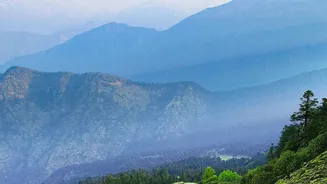
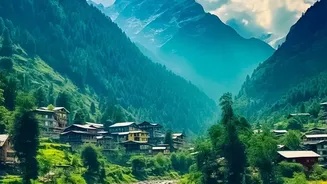
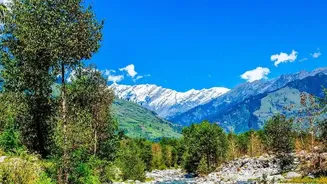
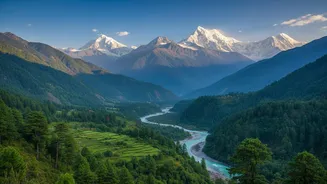
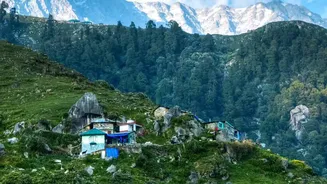
Kasol, nestled in the Parvati Valley, has long been a magnet for backpackers with its vibrant cafe culture and psychedelic vibe. Bir, on the other hand, is globally renowned as a paragliding haven, attracting adventure seekers and those drawn to its calmer, Tibetan-influenced spiritual atmosphere. While distinct in character, both towns offer a potent combination for the modern remote worker: stunning natural beauty, a relaxed pace of life, and a community of like-minded individuals. The promise of trekking through pine forests after a morning of meetings or watching paragliders land against a sunset backdrop is a powerful draw that city apartments simply cannot match.
The Homestay Solution
This growing demand from long-stay professionals has been met by a wave of budget-friendly homestays and guesthouses. Unlike formal hotels, these accommodations offer a more authentic and affordable experience. Local families, recognising the opportunity, have converted parts of their homes or built small annexes to host visitors. These stays are increasingly equipped with the non-negotiables for digital nomads: reliable high-speed Wi-Fi and power backup. Beyond the amenities, homestays provide a sense of community, with shared meals and interactions with hosts offering a deeper connection to the place, making a long workation feel less isolating and more like a home away from home.
The Economics of Mountain Living
A key driver of this trend is affordability. The cost of living in Kasol or Bir for a month can be significantly lower than in cities like Delhi, Mumbai, or Bengaluru. A dorm bed can cost as little as a few hundred rupees per night, while private rooms in homestays remain highly economical for monthly rentals. Food is also reasonably priced, with a mix of local dhabas and trendy cafes catering to all budgets. For many, the financial equation is simple: rent and daily expenses in the mountains are a fraction of their city costs, allowing them to save money while enjoying a higher quality of life.
Growing Pains in Paradise
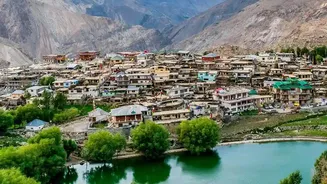
However, this transformation is not without its challenges. The surge in popularity has led to concerns about over-tourism, especially in Kasol, which residents say is becoming increasingly crowded, noisy, and polluted. Issues like traffic congestion, waste management, and strain on local resources like water are becoming more acute. The rapid, often unregulated construction of new guesthouses and cafes is altering the landscape and character of these once-quiet villages. While tourism brings economic benefits and employment for local youth, there is a growing debate about how to manage this growth sustainably to preserve the very tranquility that attracts people in the first place.