






A Sky-High Declaration
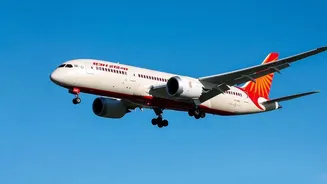
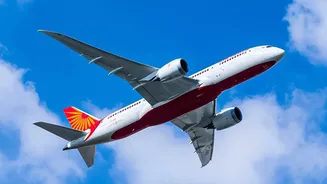
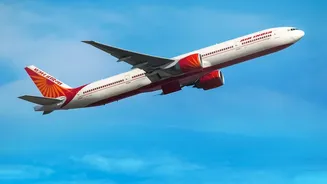
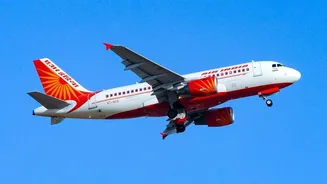
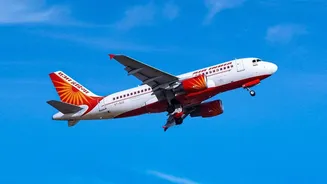
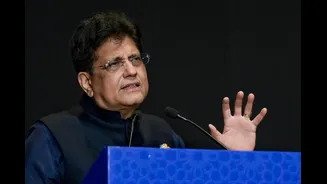
Speaking to reporters during an official visit to Egypt, Union Commerce and Industry Minister Piyush Goyal stated that India's total requirement for aircraft exceeds 2,000 planes to keep pace with rapidly rising passenger demand. He confirmed that while
domestic carriers like IndiGo, Air India, and Akasa Air have already ordered more than 1,200 aircraft from manufacturers Boeing and Airbus, a further 1,000 are needed. The minister emphasised that the government is actively pursuing these manufacturers to accelerate delivery schedules to address what he termed an 'acute shortage' of planes.
Fueling the Phenomenal Demand
The push for more aircraft is a direct response to India’s booming aviation market, which is among the fastest-growing in the world. Projections from consultancy Oliver Wyman forecast that India's commercial aircraft fleet will grow at an annual rate of 7.1% between 2026 and 2036. This explosive growth is fueled by a burgeoning middle class with increasing disposable income, a surge in post-pandemic 'revenge travel', and government initiatives like the UDAN scheme, which has significantly improved regional connectivity by expanding the number of operational airports from 74 in 2014 to nearly 160.
An Already Crowded Order Book
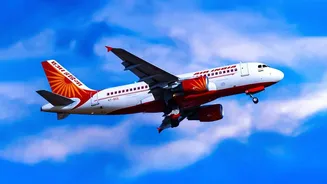
This potential order for 1,000 new jets adds to what is already one of the largest order backlogs in global aviation. In 2023, the industry saw historic deals, including IndiGo's order for 500 Airbus A320 family aircraft and Air India's purchase of 470 jets from both Airbus and Boeing. These massive commitments signal the aggressive expansion strategies of India's leading airlines. However, the scale of these orders also presents a challenge, as manufacturers are grappling with substantial global backlogs and supply chain issues, with some delivery schedules stretching as far as 2034.
The Bottlenecks on the Ground
While adding over 2,000 new aircraft promises to transform Indian skies, it also brings significant logistical hurdles. A primary concern is infrastructure. Major airports already face congestion, and the system requires a massive upgrade in airport capacity, air traffic management, and ground handling services to accommodate a fleet that could nearly double in size. Furthermore, the industry faces a critical shortage of skilled personnel, including pilots, cabin crew, and maintenance engineers. A robust domestic Maintenance, Repair, and Overhaul (MRO) ecosystem is also needed to service the growing fleet, as Indian carriers currently rely heavily on foreign facilities for major checks.
The Broader Economic Takeoff
Beyond the aviation sector, this expansion has profound implications for the Indian economy. The influx of new aircraft is expected to create a significant number of jobs across various roles, from flight operations to engineering and customer service. It will also provide a major boost to tourism and trade by enhancing domestic and international connectivity. Minister Goyal specifically mentioned that more aircraft would enable more direct flights between India and countries like Egypt, fostering stronger bilateral ties. The expansion also strengthens India’s position as a critical market for global aerospace giants like Airbus and Boeing, who already source around USD 2 billion worth of components and services from Indian companies annually.