


Plan Your Menu Like a Pro
The first step to a waste-free celebration begins before you even light the stove. Take a moment to plan your festive menu. Consider the number of guests you're expecting and their preferences. Creating a detailed list of dishes helps you avoid over-preparation.
Check your pantry and fridge for ingredients you already have before making a shopping list. This simple habit prevents buying duplicates and ensures you use what you already own, saving both money and resources. A well-thought-out plan is your best defence against impulse buys and a surplus of ingredients.
Shop Smart, Not in Bulk
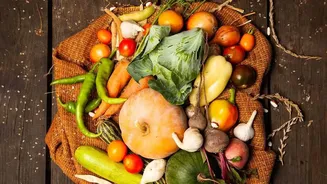
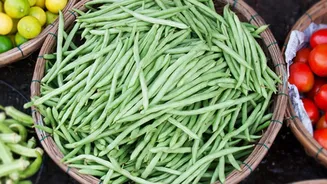
While bulk discounts can be tempting, they are a common cause of household food waste, especially for perishable items. Instead of buying everything at once, consider purchasing fresh vegetables and dairy in smaller quantities closer to the day of cooking. This ensures ingredients are at their peak freshness. For non-perishables, by all means, use offers, but for items with a short shelf life like greens, paneer, and fresh herbs, buying only what you need for the planned menu is a far more effective strategy. This approach reduces the risk of spoilage and keeps your fridge from becoming a graveyard for forgotten vegetables.
Master the Art of Portion Control
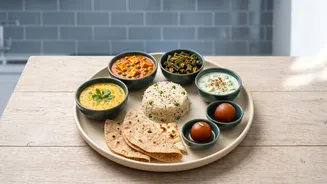
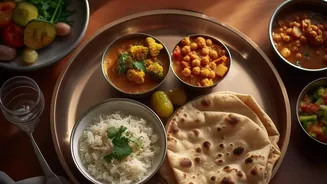
Indian hospitality often means cooking in abundance, but managing portion sizes can drastically cut down on waste. One effective technique is to cook in batches. Instead of making a giant pot of curry, you can prepare the base masala and cook the final dish as needed. When serving, encourage guests to take smaller portions initially; they can always come back for seconds. Using smaller serving spoons can also psychologically guide people to take less, reducing the amount of uneaten food left on plates, which is one of the biggest contributors to festive waste.
Get Creative with Leftovers
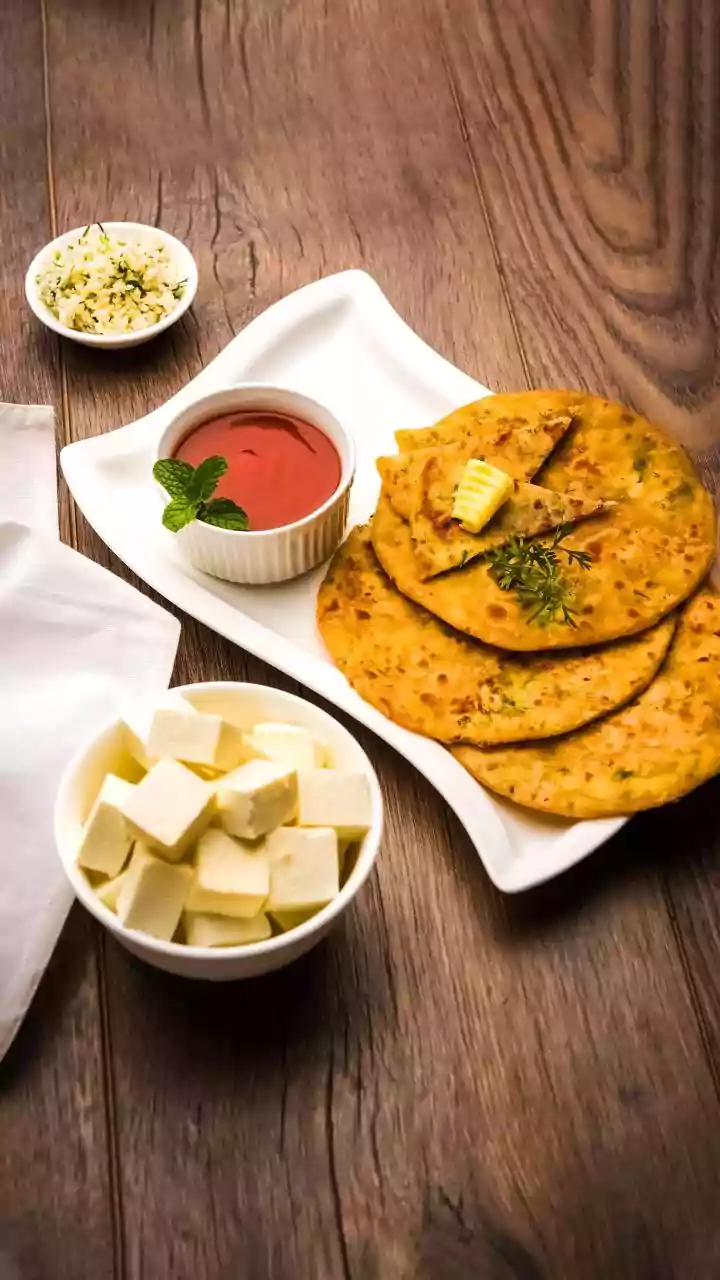
Leftovers are not a sign of failure but an opportunity for creativity. Instead of just reheating a dish, transform it into something new. Leftover sabzi or dal can become a delicious filling for parathas or sandwiches. Extra rice can be turned into flavourful fried rice or even crispy arancini-style balls. Don't forget the sweets! Crumbled ladoos or barfis can be used as a topping for ice cream, blended into milkshakes, or layered in a trifle with fruit and cream. Thinking of leftovers as ingredients for a new meal makes the process fun and ensures nothing goes to waste.
Store Food Correctly
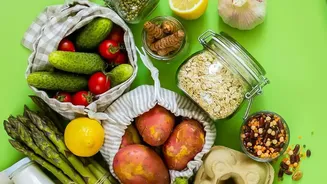
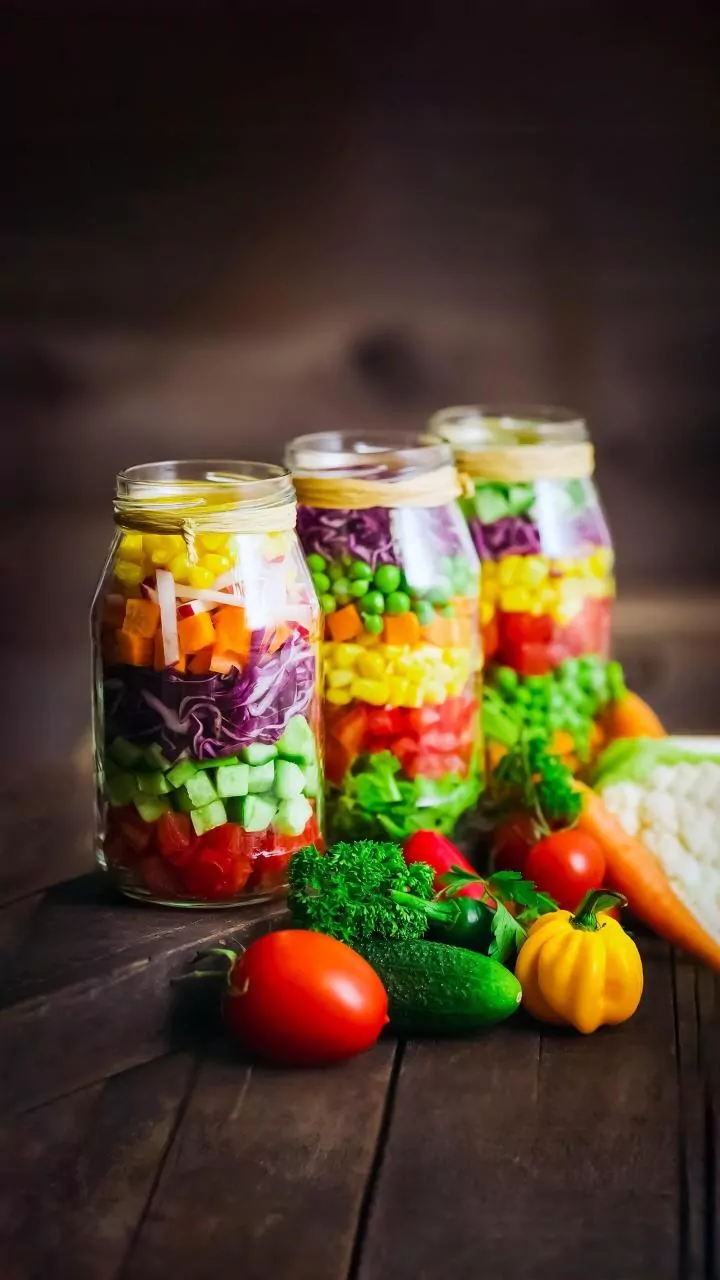
Proper storage is crucial for extending the life of both raw ingredients and cooked food. Store fresh herbs with their stems in a glass of water, and keep leafy greens in airtight containers with a paper towel to absorb excess moisture. For cooked leftovers, use clear, airtight containers so you can easily see what’s inside, and label them with the date. Implement a 'First In, First Out' (FIFO) system in your fridge, placing newer items at the back and older ones at the front. This ensures that food is consumed before it has a chance to spoil.
Share the Abundance
The spirit of festivals is about sharing joy and prosperity. If you find yourself with a large quantity of untouched, surplus food, consider sharing it. Pack some for your guests to take home. Distribute it among your community helpers, neighbours, or local security staff. Many cities also have food banks and charitable organisations that accept donations of surplus food to feed those in need. This act not only prevents waste but also embodies the true essence of festive giving.
Compost the Unavoidable
Even with the best planning, some food waste is unavoidable, such as vegetable peels, fruit cores, and tea leaves. Instead of sending these to a landfill, consider composting. Many compact composting systems are now available that are suitable for apartment balconies and small kitchens. This organic waste can be turned into nutrient-rich manure for your plants. Composting is a final, responsible step to ensure that even the scraps are returned to the earth, contributing to a healthier environment.