


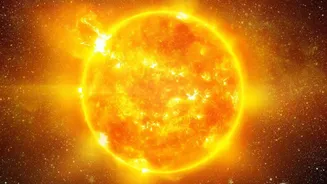
The Sun's Turbulent Peak
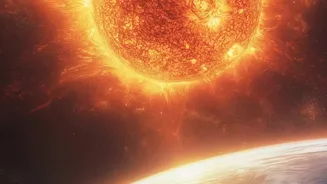
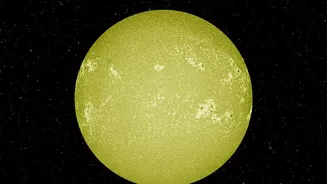
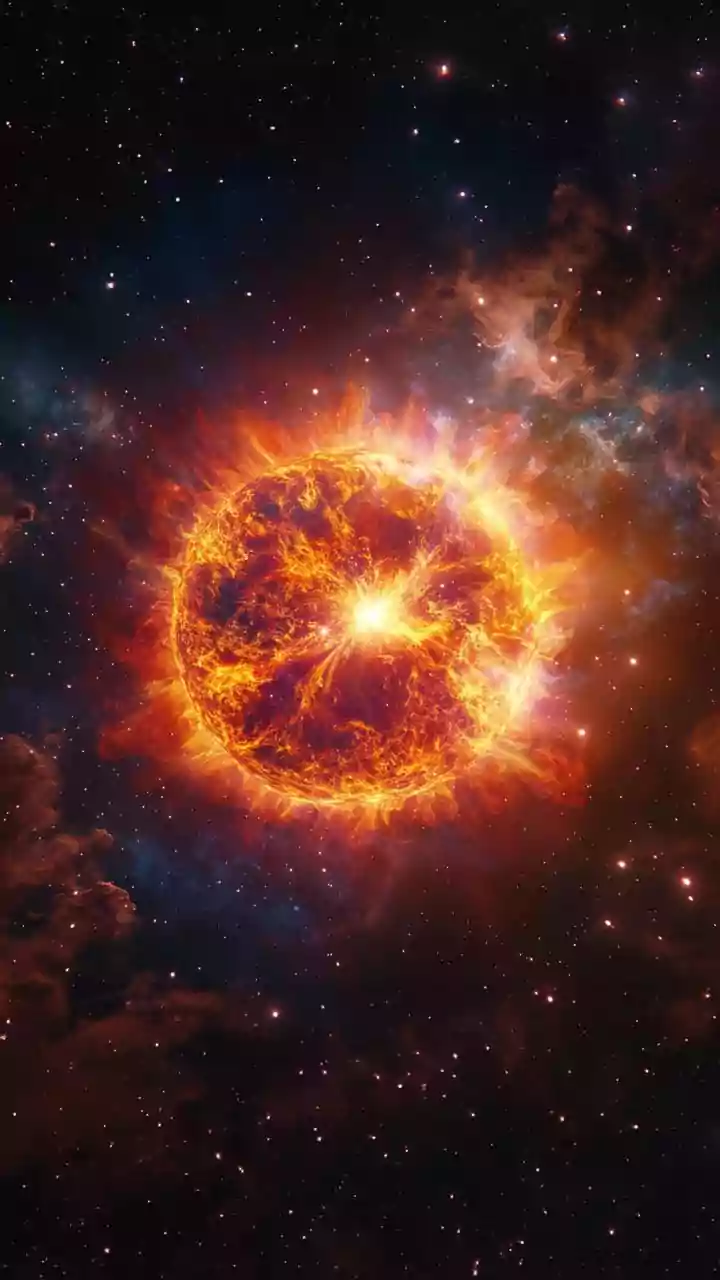
The Sun operates on an approximately 11-year cycle, moving from a quiet period (solar minimum) to a turbulent one (solar maximum). We are currently in Solar Cycle 25. While the headline points to 2026, scientific consensus indicates the peak activity
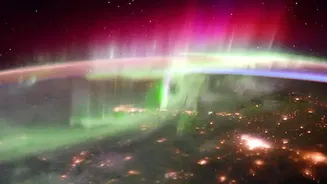
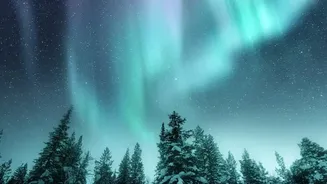
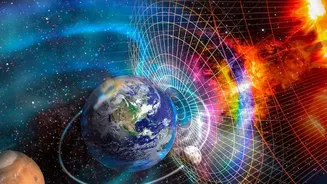
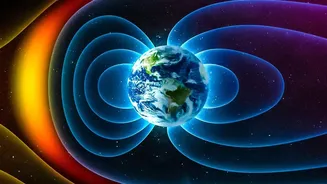
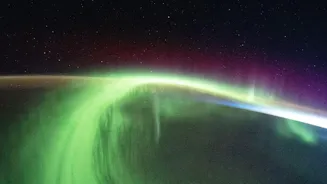
period began in late 2024 and will extend through 2025. This 'solar maximum' is characterized by an increase in sunspots, solar flares, and coronal mass ejections (CMEs)—massive explosions of plasma and magnetic fields from the Sun's atmosphere. When these eruptions are aimed at Earth, they can trigger geomagnetic storms, which are major disturbances in our planet's magnetic field.
Risk 1: Atmospheric Drag
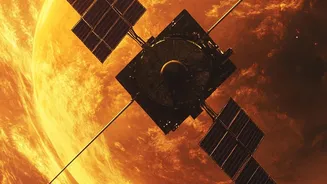
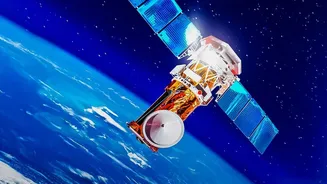
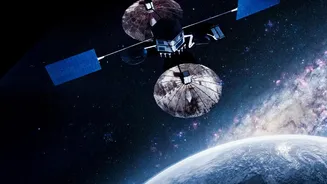
One of the most immediate threats to satellites, especially those in low-Earth orbit (LEO), is atmospheric drag. During a geomagnetic storm, energy from the Sun heats Earth's upper atmosphere, causing it to expand. This expansion increases the density of the air, even at the high altitudes where satellites operate. For LEO satellites, this is like hitting a thicker patch of air; the increased friction, or drag, slows them down. This can cause their orbits to decay faster than predicted, forcing operators to use precious fuel for course corrections to avoid falling out of the sky or colliding with other objects. A stark example occurred in February 2022, when a moderate geomagnetic storm caused the loss of up to 40 newly launched Starlink satellites that couldn't overcome the increased drag.
Risk 2: Damaging Radiation
Beyond drag, solar storms bombard satellites with high-energy particles. This radiation can wreak havoc on a satellite's sensitive electronics in several ways. It can degrade solar panels, reducing a satellite's power supply over time. More acutely, high-energy particles can penetrate shielding and cause 'single-event upsets'—essentially phantom commands that can disrupt operations or cause the satellite to tumble. In more severe cases, this radiation can lead to short circuits or permanently damage vital components, effectively destroying the multi-million dollar asset.
Risk 3: Communication and Navigation Blackouts
Geomagnetic activity also disrupts the very signals that satellites are designed to transmit. The ionosphere, a layer of Earth's atmosphere, can become highly disturbed during a solar storm. This can interfere with, absorb, or distort the radio signals passing through it. The result can be temporary blackouts in high-frequency radio communications used by aircraft and ships. It can also degrade the accuracy of GPS and other navigation systems, which rely on precise timing signals from satellites. For industries from logistics to agriculture that depend on exact positioning, even minor inaccuracies can have significant consequences.
The Industry on High Alert
Satellite operators are not sitting ducks. They work closely with agencies like the US National Oceanic and Atmospheric Administration (NOAA) to monitor space weather forecasts. With advance warning of an incoming CME, operators can take protective measures. This can include temporarily placing a satellite into a 'safe mode,' where non-essential components are shut down to minimize the risk of electrical damage. For LEO constellations, some operators may preemptively boost satellites into slightly higher orbits to create a buffer against increased atmospheric drag. Furthermore, modern satellites are increasingly built with radiation-hardened components and redundant systems to better withstand the harsh space environment. These proactive measures are crucial for managing the risks associated with the Sun's heightened activity.