


A Shift from Sightseeing to 'Feeling'
For years, festive travel meant a predictable circuit of popular tourist spots. Today, the checklist is changing from 'where did you go?' to 'what did you experience?'. Travellers are increasingly seeking authenticity over commercialised attractions.
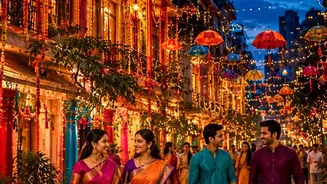
This means swapping a crowded monument visit for a pottery workshop in a Rajasthan village, learning a local craft, or experiencing a festival like Dev Deepawali in Varanasi not as a spectator, but as a participant. This desire for genuine connection is driving people towards destinations where culture is a living, breathing entity, not just a photo opportunity. It's a move away from passive sightseeing towards active, immersive experiences that create lasting memories.
The Search for Open Spaces and Wellbeing
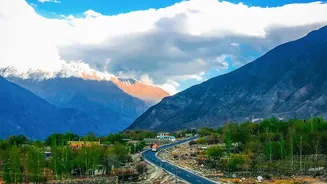
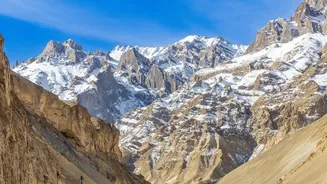
The post-pandemic era has left a lasting imprint on our travel desires. A collective craving for open spaces, fresh air, and less congested environments is steering travellers away from bustling urban centres. This has led to a surge in interest for nature-based escapes, with hill stations like Ooty and Munnar seeing significant growth in travel searches. The focus on wellbeing has become paramount. Travellers aren't just looking for a break; they're seeking restoration. This has fuelled the popularity of destinations that offer tranquility, from the mountains of Himachal Pradesh to serene coastal retreats, where the goal is to disconnect from the daily grind and reconnect with oneself.
The Rise of the Conscious Traveller
Sustainability is no longer a niche concern; it's a mainstream driver of travel decisions. A 2026 survey revealed that 88% of Indian travellers consider sustainability important when planning a trip. This eco-consciousness translates into a preference for destinations and practices that have a positive impact. Travellers are choosing eco-lodges, boutique homestays, and farm-to-table dining experiences that support local communities and preserve the environment. The appeal of nature and heritage tourism is deeply tied to this, as these trips often directly contribute to conservation efforts and the livelihoods of local artisans. Government initiatives like the 'Dekho Apna Desh' campaign further encourage this trend, promoting the exploration of India's domestic treasures responsibly.
Work-From-Anywhere's Lasting Legacy
The remote work revolution has fundamentally blurred the lines between work, life, and travel. The flexibility to work from anywhere has empowered professionals to take longer, more immersive trips, often referred to as 'workations'. Instead of a short festive break, people can now spend weeks or even months in a scenic location, combining their workdays with exploration. This has created a boom in destinations like Goa, Rishikesh, and parts of Himachal, which now boast robust infrastructure with high-speed internet, co-working spaces, and long-stay accommodations. This trend allows travellers to escape the city for the entire festive season without falling behind on professional commitments.
Rediscovering India's Own Backyard
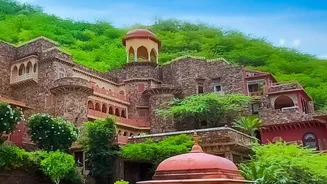
Improved infrastructure has unlocked the potential of countless hidden gems across the country. Better highways, regional airports, and reliable rail connectivity have made once-remote destinations far more accessible. This, combined with the power of social media and digital travel platforms exposing offbeat locations, means travellers are no longer limited to the traditional tourist trail. Data shows a significant increase in searches for non-urban destinations and Tier-II and Tier-III cities. From the cultural richness of Varanasi to the natural beauty of the Khasi Hills, Indians are showing a growing appetite to explore the diverse landscapes and heritage within their own country.