

The Myth of the 'Health Halo'
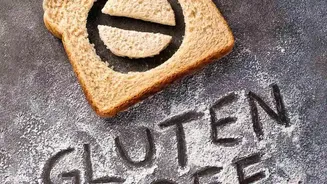
Marketers are well aware of the 'health halo' effect. This is the perception that a food is good for you based on a single claim, like 'organic', 'natural', or, in this case, 'gluten-free'. Many consumers automatically associate gluten-free products with
weight loss or superior nutrition. For individuals with celiac disease or a diagnosed gluten sensitivity, avoiding gluten is a medical necessity. For everyone else, that label doesn't guarantee the product is healthier. In fact, a gluten-free cookie is still a cookie, and a gluten-free potato chip is still a chip. The belief that these foods are inherently better can lead people to eat larger portions, assuming they are making a virtuous choice, which can backfire if the goal is managing calorie intake.
What Happens When Gluten Is Removed?
Gluten, a protein found in wheat, barley, and rye, plays a crucial role in food science. It provides elasticity to dough, gives bread its satisfying chew, and helps create the structure and texture we expect in baked goods and many snacks. When manufacturers remove gluten, they have to replace that function with something else. This is where the nutritional profile can start to change significantly. To mimic the texture and mouthfeel of their gluten-containing counterparts, companies often use a mix of refined starches like tapioca, potato, or rice starch, along with binding agents such as xanthan or guar gum.
The Calorie and Fat Compensation
To make up for the lost flavour and texture from gluten, manufacturers frequently add more fat, sugar, and salt. This means a gluten-free version of a cracker or biscuit might actually contain more calories than the original. Several studies have compared gluten-free products to their regular equivalents and found that gluten-free versions are often higher in total fat, saturated fat, and overall energy content. One analysis found that gluten-free products generally had higher levels of saturated fat and carbohydrates, with lower levels of protein and fibre. So, if you're swapping your usual snacks for gluten-free ones in an effort to cut calories, you might be unintentionally doing the opposite.
The Nutrient Density Gap
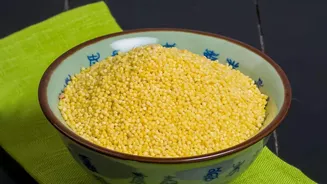
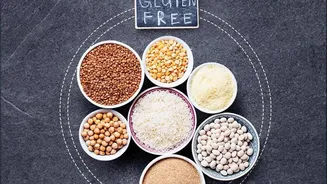
Beyond just calories, there's the issue of nutrient density. Whole wheat and other gluten-containing grains are often good sources of important nutrients like B vitamins and fibre. Many gluten-free products, especially those made with highly refined starches, can be lower in protein and fibre. Fibre is essential for digestive health and feeling full, while protein contributes to satiety and muscle maintenance. Some people who switch to a diet heavy in processed gluten-free foods might find they're getting less of these beneficial nutrients. While some products are made with nutritious, naturally gluten-free whole grains like quinoa, amaranth, or buckwheat, many rely on less nutrient-dense starches.
How to Be a Smarter Snack Shopper
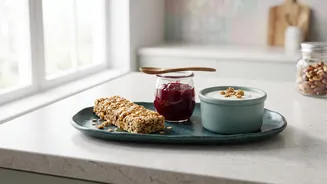
The key to making informed choices isn't avoiding gluten-free products, but understanding them. The most important tool you have is the nutrition facts label. Ignore the claims on the front of the package and turn it over. Compare the gluten-free snack with its traditional counterpart. Look at the calories, total fat, saturated fat, sugar, sodium, protein, and fibre per serving. Pay close attention to the ingredients list. Are the first few ingredients whole foods like nuts, seeds, or gluten-free whole grains? Or are they refined starches and sugars? A shorter, more recognizable ingredient list is often a good sign. Ultimately, a truly healthy snack is determined by its overall nutritional profile, not by the absence of a single protein.