
Understanding Complete Protein
Protein is made from building blocks called amino acids. Your body can produce some of them, but there are nine, known as essential amino acids (EAAs), that you must get from food. For a protein source to be considered 'complete,' it must contain all nine of these
essential amino acids in adequate amounts. Animal proteins like meat, eggs, and dairy are naturally complete. Most plant foods, however, are considered 'incomplete' because they are low in one or more of these crucial EAAs. This is where strategic eating becomes important for those on a plant-based diet.
Why Muscle Recovery Demands It
When you exercise, especially with resistance training, you create tiny micro-tears in your muscle fibres. The process of repairing these tears is what makes your muscles stronger and larger. This repair job, called muscle protein synthesis, requires a full supply of all nine essential amino acids. If even one is missing, the process can be compromised. Leucine is a particularly important EAA that acts as a primary trigger for muscle repair. Ensuring your post-workout nutrition provides this complete set of building blocks is fundamental for effective recovery and achieving your fitness goals.
The Power of Pairing
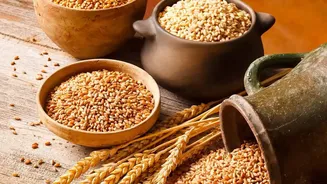
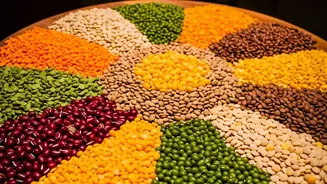
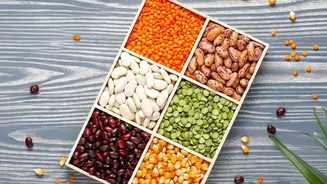
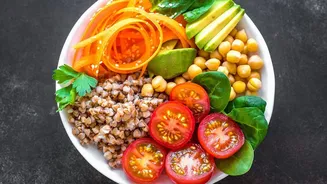
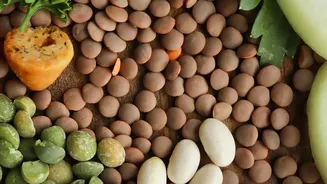
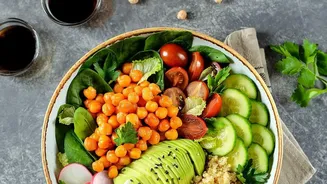
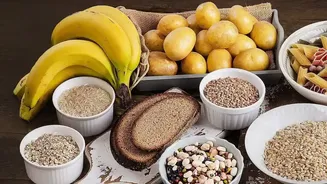
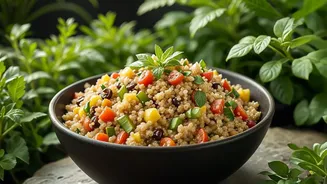
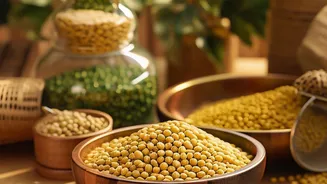
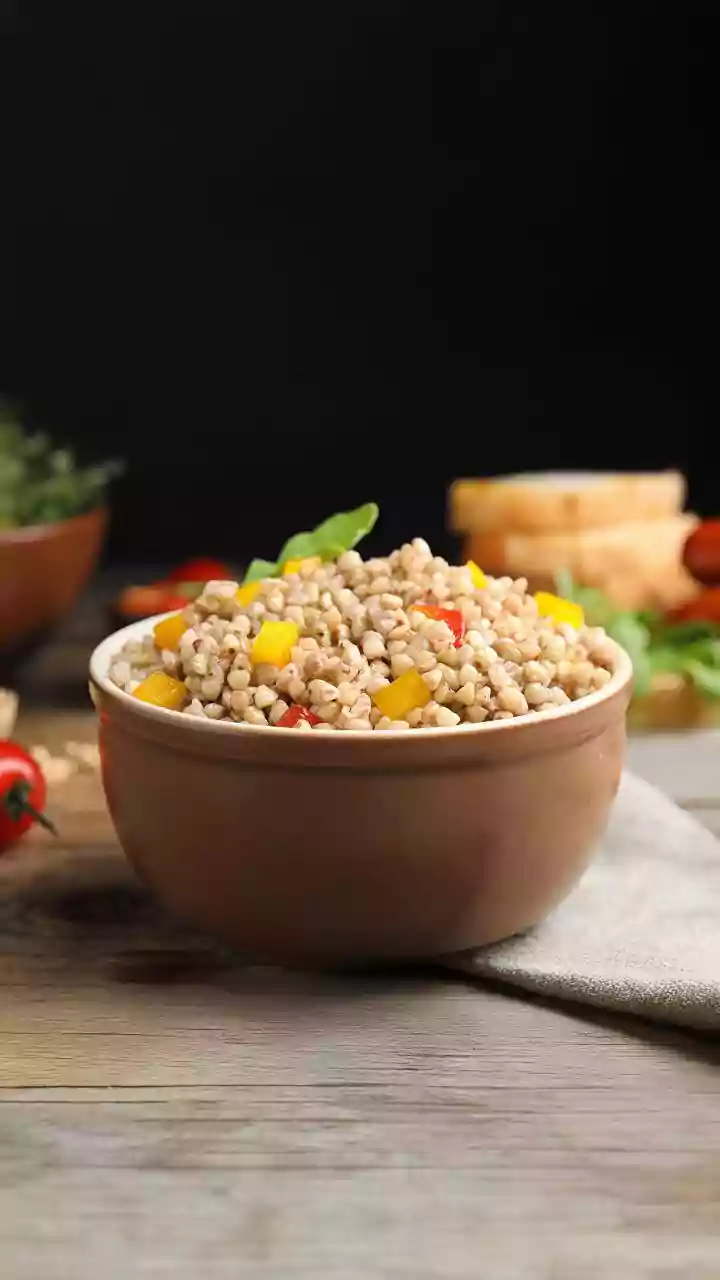
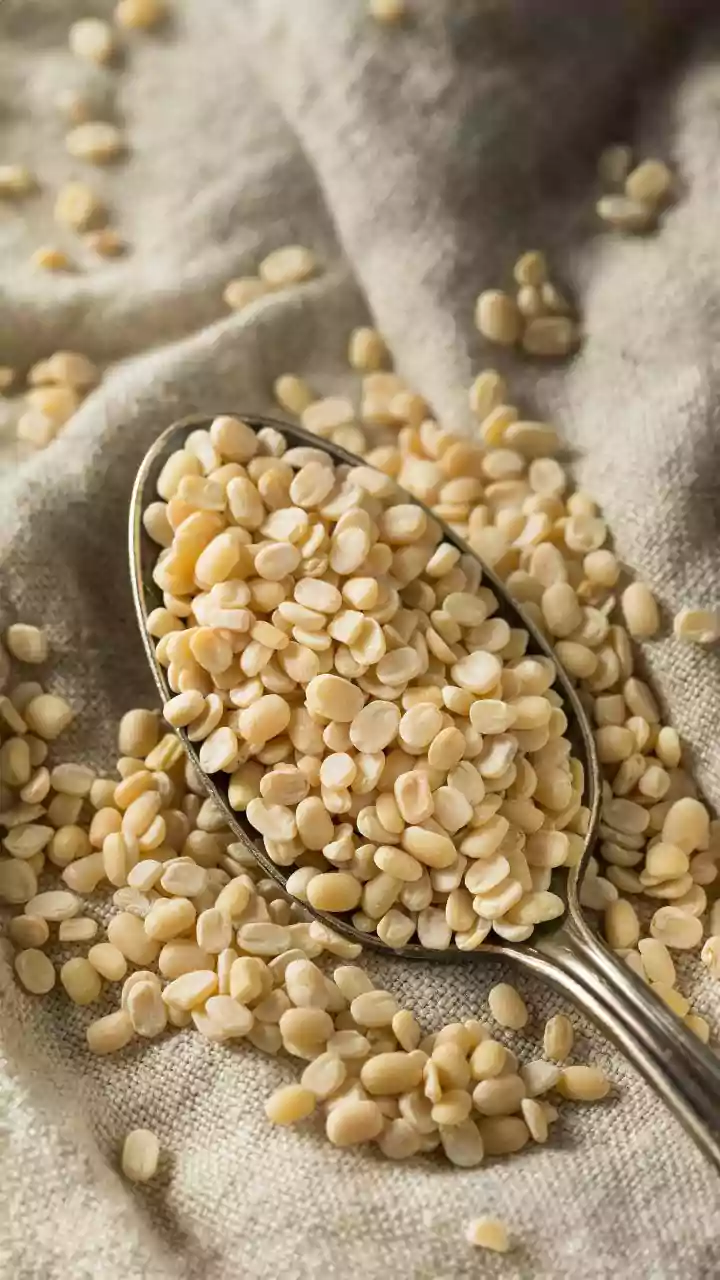
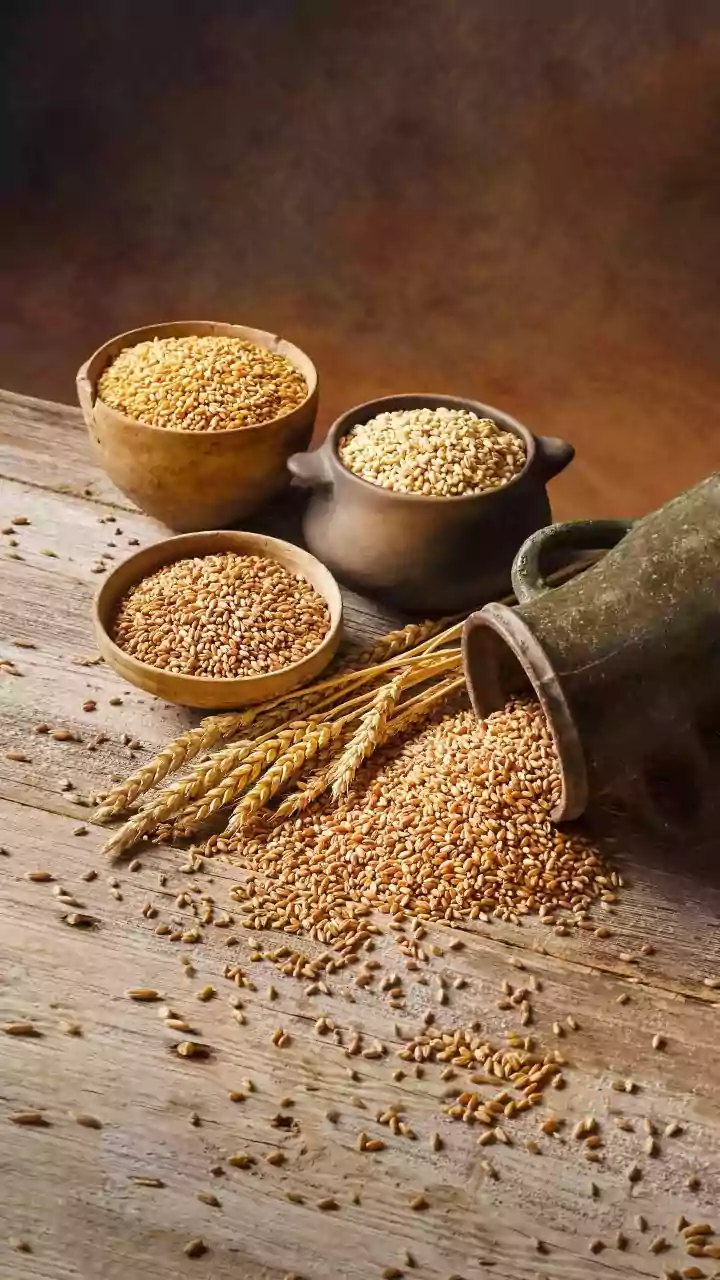
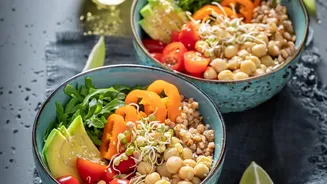
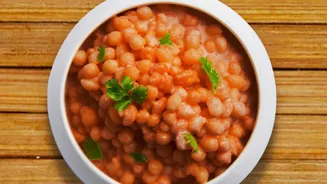
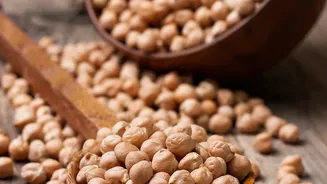
This is where the magic of food combining, or protein complementation, comes in. Grains and legumes are perfect partners because they have what the other lacks. Legumes like lentils, chickpeas, and beans are generally rich in the amino acid lysine but low in methionine. Whole grains like rice, wheat, and oats are the opposite—they have plenty of methionine but are typically low in lysine. When you eat them together, their amino acid profiles complement each other, creating a complete protein source that gives your body the full toolkit it needs for muscle repair.
Classic Indian Combinations That Work
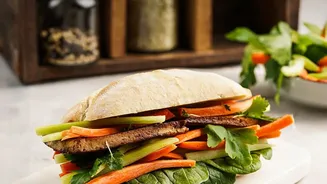
Indian cuisine has intuitively practiced protein complementation for centuries. Many of the most beloved comfort foods are actually perfectly designed muscle-recovery meals. Think of dal with rice, where lentils provide the lysine that rice lacks. The same principle applies to rajma with chawal (kidney beans and rice), roti with chana masala (whole wheat flatbread and chickpeas), and khichdi, the ultimate one-pot meal of rice and lentils. Even a simple snack like a peanut butter sandwich on whole wheat bread achieves this nutritional synergy.
A Modern View: A Daily Tally
The old belief was that you had to eat these complementary proteins in the same meal for them to work. However, modern nutrition science has shown this isn't strictly necessary. Your body maintains a pool of amino acids it can draw from throughout the day. As long as you consume a variety of complementary protein sources over the course of a day, your body can pull the necessary amino acids together when it needs them for repair. So, while a lunch of dal and rice is fantastic, having a lentil soup for lunch and whole wheat toast later in the day also works effectively. The key is variety and consistency in your daily diet.