

The Core of Functional Fitness
Fitness can often seem complicated, but at its heart, it's about making your body work better for you. This is the essence of functional strength training. Instead of isolating individual muscles, it focuses on compound movements that mimic everyday actions.
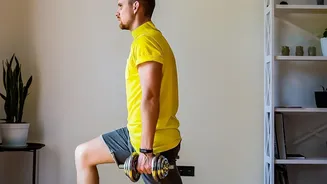
Think about your daily routine: you bend down to pick things up, carry groceries, push open a heavy door, and pull things from a high shelf. These actions can be broken down into four essential patterns: carrying, squatting, pushing, and pulling. By building strength in these primal movements, you're not just training for the gym; you're training for a more capable and pain-free life.
The Power of Carrying
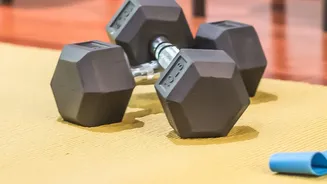
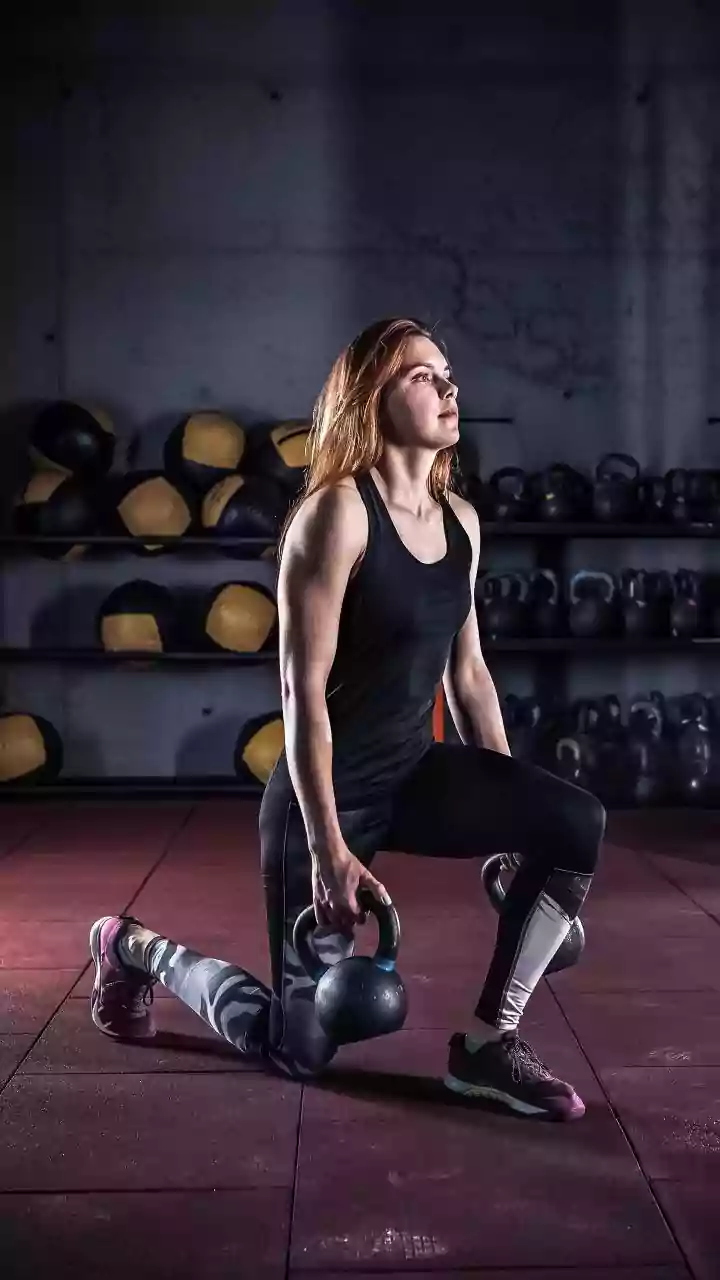
Carrying heavy objects is one of the most basic and beneficial exercises you can do. It builds formidable grip strength—a key indicator of overall health—while also engaging your core, back, and legs to maintain stability and posture. You don't need fancy equipment to start. The 'Farmer's Walk,' which involves simply walking while holding a heavy weight like a dumbbell or kettlebell in each hand, is a classic for a reason. Even a 'Suitcase Carry,' using just one weight, forces your core to work overtime to keep your torso upright and prevent leaning. The strength gained here translates directly to carrying everything from shopping bags to a tired child.
Mastering the Foundational Squat
The squat is often called the 'king of exercises', and for good reason. It's a fundamental movement pattern we've used since we were toddlers. A proper squat strengthens your entire lower body—quads, hamstrings, and glutes—while also improving mobility in your hips and ankles. More importantly, it reinforces the pattern of sitting down and standing up, an action you perform countless times a day. To perform a basic bodyweight squat, stand with your feet shoulder-width apart, push your hips back as if sitting in a chair, and lower your body while keeping your chest up and heels on the floor. Mastering this movement is a crucial step towards long-term strength and independence.
The Importance of Pushing
Pushing movements are essential for upper body strength and are vital for interacting with your environment. This includes everything from pushing a car that won't start to simply getting up off the floor. Exercises like the classic push-up and its variations are fantastic because they engage not only your chest, shoulders, and triceps, but also your entire core for stability. They are a perfect example of a compound movement where multiple muscle groups work together. For those who can't do a full push-up, starting with an incline push-up against a wall or sturdy table is an excellent way to build the necessary strength progressively.
Why You Need to Pull
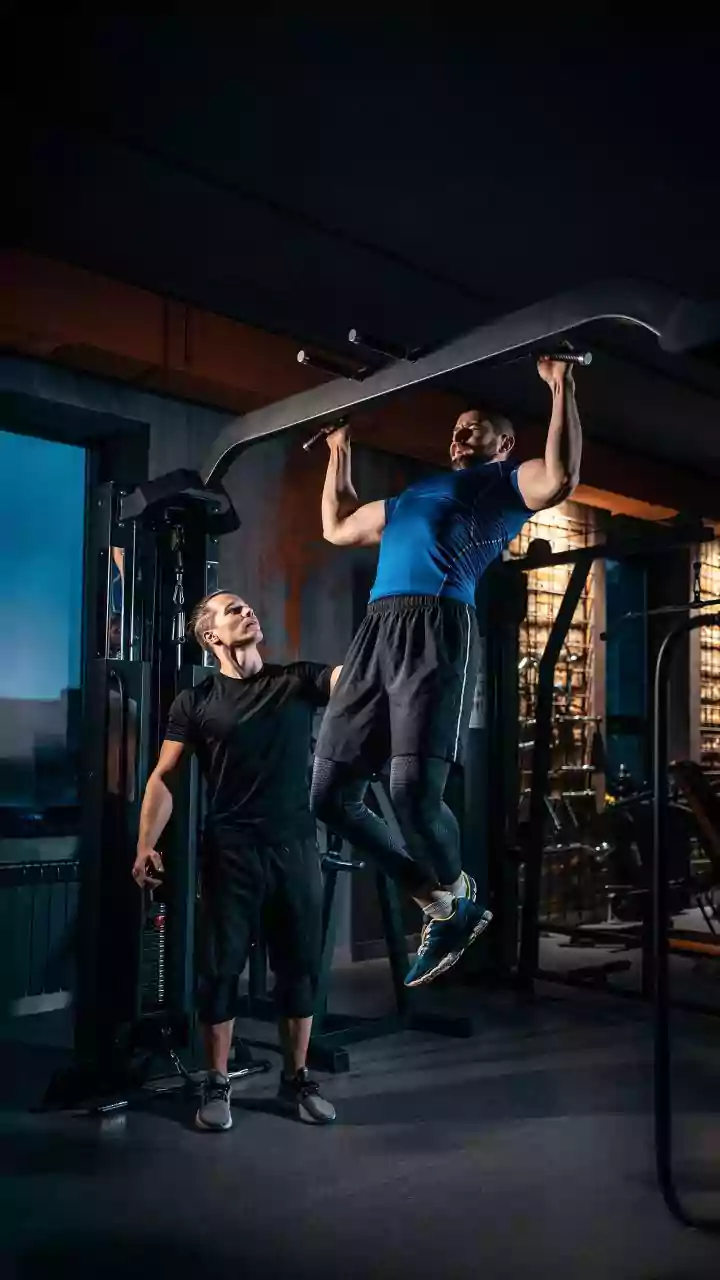
In our modern lives, we spend a lot of time hunched forward, leading to muscular imbalances. Pulling exercises are the perfect antidote, strengthening the entire backside of your body, including your back, biceps, and shoulders. A strong back is the cornerstone of good posture and a healthy spine. Movements like dumbbell rows, where you lie on a bench and pull a weight towards your chest, or inverted rows using a low bar, build the strength needed for actions like pulling open a heavy door or starting a lawnmower. Balancing your pushing exercises with pulling work is critical for creating a stable, well-rounded, and injury-resistant physique.