




Master the Post-Walk Paw Care Routine
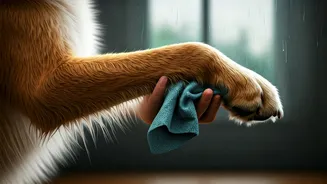
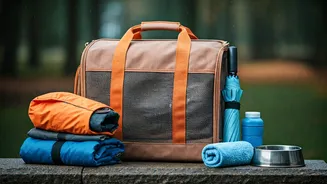
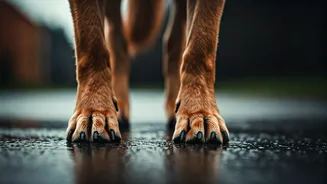
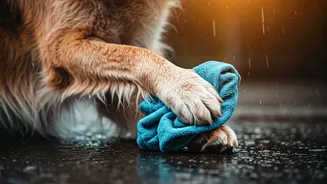
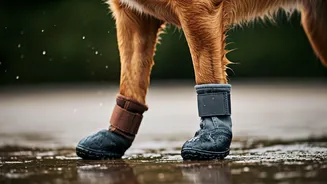
Your dog's paws are their first point of contact with muddy, water-logged streets, which can harbour bacteria and sharp debris. Make a habit of thoroughly cleaning and drying their paws after every single walk. Use lukewarm water and a gentle cleanser,
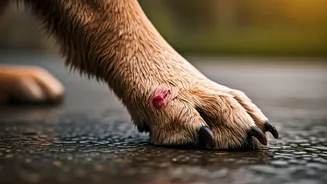
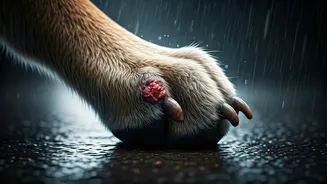
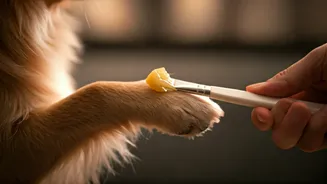
paying special attention to the spaces between their toes where moisture can get trapped and cause fungal infections. Keep the fur between their paw pads trimmed to prevent mud and debris from collecting. Inspect their pads for any cuts or scrapes, as open wounds are more susceptible to infection in the damp environment.
Keep Their Coat Dry and Healthy
The high humidity during the monsoon means a damp coat can take hours to dry, creating a perfect breeding ground for bacteria and fungi. This can lead to painful skin infections like acute moist dermatitis, commonly known as hot spots. Always towel-dry your dog thoroughly after any exposure to rain. For long-haired breeds, a quick blow-dry on a low, cool setting can be beneficial. Regular brushing is also crucial; it removes loose fur, prevents matting, and improves air circulation to the skin, helping it stay dry and healthy. A well-brushed coat is your first line of defence against common monsoon skin issues.
Guard Against Water-Borne Diseases
Stagnant puddles might look like a fun splash zone, but they are often a cocktail of contaminants, including bacteria like Leptospira. Leptospirosis is a serious disease spread through the urine of infected animals, which gets washed into standing water during rains. It can cause severe kidney and liver damage. Always keep your dog on a leash during walks to prevent them from drinking from puddles or contaminated sources. Ensure they have access to fresh, clean drinking water at all times, both at home and when you are out.
Step Up Parasite Prevention
Fleas and ticks thrive in the warm, humid monsoon weather, and their populations explode during this time. These parasites are not just a nuisance; they can transmit serious illnesses like tick fever. It's essential to be consistent with your vet-prescribed flea and tick prevention schedule. Check your dog’s coat for any signs of parasites after walks, paying close attention to their ears, neck, and paws. Regularly washing your dog's bedding in hot water can also help keep these pests at bay.
Boost Their Immunity Through Diet
A strong immune system is vital for fighting off infections. A balanced, high-quality diet is the foundation of good health. With outdoor activity likely reduced during heavy rains, your dog might need fewer calories to prevent weight gain. However, don't compromise on nutritional quality. Some vets recommend adding a probiotic or Omega-3 fatty acid supplement to their diet to support skin health and immunity, but always consult your veterinarian before introducing any new supplements. Ensuring they have warm, fresh food can also be comforting and aid digestion.
Provide Indoor Enrichment to Beat Boredom
An outdoor-loving dog can quickly become bored, restless, or anxious when cooped up inside. Mental stimulation is just as important as physical exercise. Engage your dog with indoor activities like puzzle feeders, snuffle mats, or treat-hiding games that encourage them to use their nose. Short, fun training sessions to practice old tricks or learn new ones are a great way to bond and burn mental energy. You can even create a simple indoor obstacle course with cushions and chairs for some supervised physical activity.