






Identifying the Enemy: Humidity Fungi
That unsightly white or greyish powder coating your plant’s leaves and stems is most likely powdery mildew. It’s a common fungal disease that thrives in high humidity and moderate temperatures, making it a frequent guest in Indian homes during and after
the rainy season. It starts as small circular spots but can quickly spread to cover entire leaves, stressing the plant by blocking sunlight and hindering photosynthesis. Another common issue is sooty mould, a black fungus that grows on the sticky secretions (honeydew) left behind by pests. While it doesn't directly infect the plant, it looks terrible and can also block light. Both are tell-tale signs that your indoor garden's environment has become a little too welcoming for fungi.
Why Neem Oil is a Gardener's Gold Standard
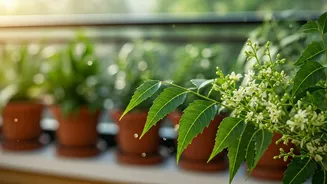
Neem (Azadirachta indica) is a tree revered in India for centuries for its medicinal properties, and its oil is a treasure for organic gardeners. Unlike synthetic chemical fungicides that can be harsh, neem oil offers a multi-pronged, natural attack. Its primary active component, azadirachtin, works in several ways. It disrupts the life cycle of fungi, preventing spores from germinating and spreading. It also acts as an antifeedant and growth regulator for common plant pests like aphids and mealybugs, whose presence can lead to sooty mould. By choosing neem oil, you’re not just treating the fungal problem; you're using a holistic solution that supports overall plant health without introducing harsh chemicals into your home.
Your DIY Neem Oil Fungicide Spray
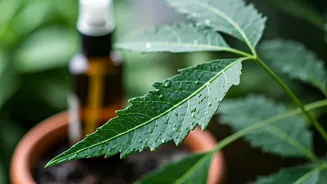
Mixing your own neem oil spray is incredibly simple and cost-effective. You control the ingredients, ensuring there are no hidden additives. For the most effective solution, always use 100% pure, cold-pressed neem oil, as heat-based extraction can degrade the crucial azadirachtin compound.Here’s a trusted recipe:- **1 Litre of Warm Water:** Warm water helps the oil mix more easily.- **1 Teaspoon (5 ml) of Cold-Pressed Neem Oil:** This is your active ingredient.- **1/2 Teaspoon (2-3 ml) of Mild Liquid Soap:** This is essential. Oil and water don't mix, so the soap acts as an emulsifier, allowing the neem oil to disperse evenly in the water. Use a gentle, chemical-free soap if possible.Combine all ingredients in a clean spray bottle. Shake vigorously until the mixture looks milky and uniform. You will need to shake it periodically during application as the oil will try to separate over time.
How to Apply for Maximum Effect
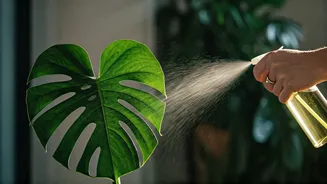
Correct application is just as important as the right mixture. Following these steps will help you effectively manage the fungus without harming your plant.1. **Test First:** Before drenching your plant, always perform a patch test. Spray a small amount on a single leaf and wait 24 hours to ensure your plant doesn't have a negative reaction.2. **Timing is Everything:** Spray in the early morning or late evening. Applying neem oil in direct, hot sunlight can cause the leaves to burn.3. **Prepare the Plant:** If the fungal growth is heavy, gently wipe it off the leaves with a damp cloth first. This allows the spray to penetrate more effectively and treat the underlying tissue.4. **Spray Thoroughly:** Coat all parts of the plant, paying special attention to the undersides of leaves, where pests and fungi love to hide. The goal is to moisten the surfaces, not to have the solution dripping off excessively.5. **Repeat as Needed:** For an active infestation, apply the spray every 7 days until the fungus is gone. Then, switch to a preventative schedule.
Prevention: The Best Form of Care
Neem oil shines as a preventative measure, especially during high-humidity seasons. A light spraying every 14-21 days can stop fungal spores from ever taking hold. In addition to using neem oil, you can create a less friendly environment for fungi by improving air circulation around your plants. Avoid overcrowding them and, if possible, use a small fan to keep the air moving on particularly still, damp days. Also, try to water your plants at the soil level, keeping the leaves as dry as possible. This combination of good cultural practices and preventative neem oil application is the secret to keeping your indoor plants thriving and fungus-free.