


Black pepper, the 'king of spices', is a staple in every kitchen. But not all pepper is created equal. Using old, spoiled, or low-quality pepper can ruin a dish. Here’s a practical guide to ensuring what’s in your shaker is the very best.
Why You Should Check Your Pepper
It might seem
like a small detail, but the quality of your black pepper has a significant impact on your cooking. Fresh, high-quality pepper adds a sharp, woody, and complex heat that elevates a dish. Old, faded pepper, on the other hand, contributes little more than a dusty, flat bitterness. More importantly, pepper that has been exposed to moisture can develop mould, which is a clear sign of spoilage and should be discarded immediately. While dried peppercorns are highly shelf-stable, a common mistake like shaking the grinder directly over a steaming pot can introduce enough moisture to cause problems. Taking a few seconds to check your pepper ensures you get maximum flavour and avoid any unpleasant surprises.
The Visual Inspection
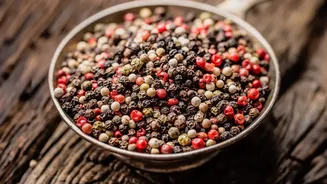
Your first line of defence is a simple visual check. For whole peppercorns, look for berries that are plump, firm, and relatively uniform in shape and a deep dark-brown or black colour. A batch with many grey, pale, shrivelled, or broken bits is a sign of old or poor-quality stock. For ground pepper, the colour should be a consistent dark grey or black, not faded. The main red flag for both is any sign of mould, which can appear as white, grey, green, or black fuzz. Another tell-tale sign of spoilage is clumping; if your pepper is sticking together, it means moisture has gotten in, and it's best to toss it.
The All-Important Aroma Test
Your nose knows. The aroma is one of the best indicators of pepper quality. To perform the test, crush a few whole peppercorns or rub a pinch of ground pepper between your fingers. Fresh, potent pepper should release a sharp, pungent, and warm spicy aroma almost immediately. Some describe high-quality pepper as having citrusy, floral, or pine-like notes. If what you smell is dusty, musty, stale, or faint, the pepper has lost its volatile oils and its flavour has faded significantly. If it has no smell at all, it will add no flavour to your food and it's time for a replacement.
Spotting Adulteration at Home
Because it's a valuable spice, black pepper is sometimes subject to adulteration, where cheaper materials are mixed in to increase weight and profit. Common adulterants include dried papaya seeds, which look strikingly similar to peppercorns. Thankfully, there's a simple test. Drop a spoonful of peppercorns into a glass of water. Pure, dense peppercorns will sink, while papaya seeds and hollow, low-quality berries will often float. Another trick is the crush test: a real peppercorn is quite hard, while a papaya seed will crush more easily. For ground pepper, which can be mixed with things like sawdust, sprinkle a pinch onto the water's surface. Pure pepper will gradually settle, while sawdust will float.
How to Store Pepper for Longevity
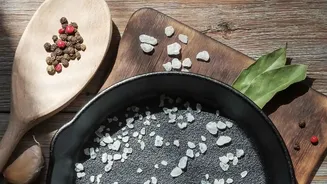
Proper storage is crucial for preserving pepper’s flavour and aroma. The key is to protect it from its four enemies: heat, light, air, and moisture. Store both whole peppercorns and ground pepper in a clean, airtight container. Glass or ceramic jars are often recommended as they don't absorb odours. Keep the container in a cool, dark place like a pantry or cupboard, away from the stove and direct sunlight. For the best flavour, buy whole peppercorns and grind them as needed. While properly stored whole peppercorns can last for 3 to 4 years, ground pepper starts losing its potency much faster, ideally being used within six months.