



The Bridges That Grow, Not Break
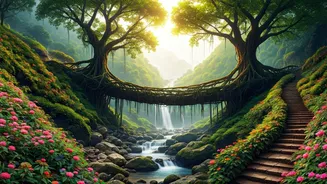
In the northeastern state of Meghalaya, one of the wettest places on Earth, bridges aren't built; they're grown. For centuries, the indigenous Khasi and Jaintia peoples have guided the aerial roots of the Ficus elastica tree across rivers and ravines.
Over decades, these roots weave together to form incredibly strong, living structures that only get more robust with time and rainfall. Unlike concrete or steel that erodes, these living root bridges thrive in the constant damp, becoming an integral part of the forest ecosystem. Walking across one during a light drizzle, with mist rising from the valley below, feels like stepping into another world—a testament to sustainable engineering that works in harmony with nature, not against it.
A Plateau That Wakes for the Rain
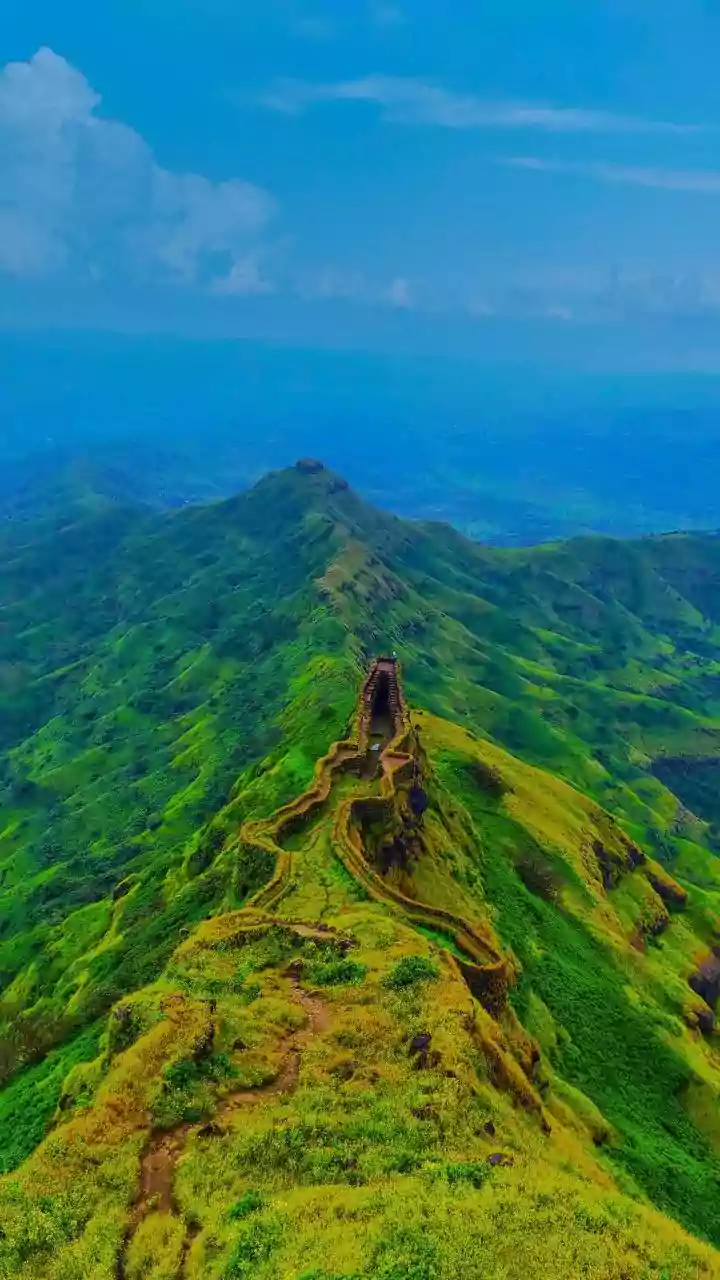
For most of the year, the Kaas Plateau in Maharashtra is a barren, windswept landscape of volcanic rock. But for a few precious weeks during the monsoon (typically August and September), it undergoes a breathtaking transformation. Triggered by the rains, millions of wildflowers erupt from the soil, covering the plateau in a vibrant carpet of pink, purple, yellow, and white. This UNESCO World Natural Heritage site is home to over 850 different species of flowering plants, many of which are endemic and found nowhere else on the planet. It’s not a garden you visit; it’s a natural spectacle you witness, a secret landscape that reveals its beauty only to the patient and the rain-ready.
The Waterfall That Flows Upwards
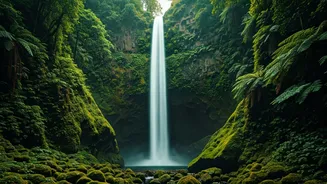
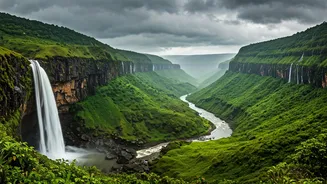
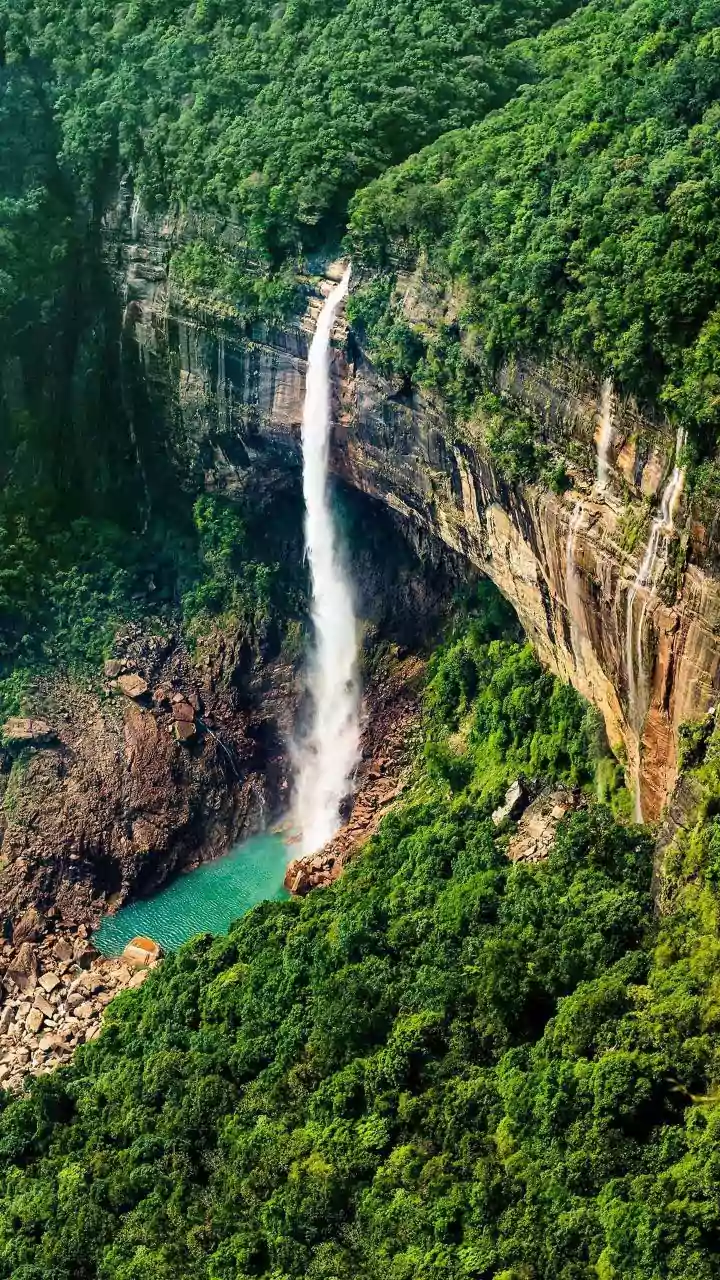
It sounds like something from a fantasy novel, but it’s a very real and mesmerizing phenomenon. In the Western Ghats, particularly at Naneghat near Mumbai, the monsoon brings not just heavy rain but also ferocious winds that surge up the mountain cliffs. When a waterfall cascades over the edge, these powerful updrafts are strong enough to catch the water and blow it back upwards in a fine, atomized mist. Standing at the cliff's edge, you can feel the reverse spray on your face as the water defies gravity. It’s a powerful, disorienting, and utterly magical display of nature’s raw force, a secret handshake between the mountains and the monsoon winds.
The High-Stakes Races on Swollen Rivers
While many parts of the world slow down in the rain, Kerala kicks into high gear. The monsoon swells the state’s famous backwaters, turning them into natural arenas for the Vallam Kali, or snake boat races. These are not leisurely paddles. Imagine 100-foot-long canoes, each powered by up to 100 rowers, slicing through the water at incredible speeds. The air is electric with the rhythmic chants of the oarsmen and the roar of thousands of spectators lining the riverbanks. It's a tradition steeped in history, a fierce but festive competition that celebrates the water that defines life in the region. The races are a visceral, heart-pounding spectacle born directly from the abundance of the monsoon.
The Culture of the Wettest Place on Earth
The village of Mawsynram holds the Guinness World Record for the highest annual rainfall. While that fact is known, the way of life it fosters is the real secret. Here, rain isn't an inconvenience; it’s the defining feature of existence. Locals carry 'knups'—turtle-shell-shaped, full-body umbrellas woven from bamboo and banana leaves—that leave their hands free for work. Roofs are soundproofed with grass to muffle the deafening, 24/7 drumming of the rain. Bridges and pathways are constantly repaired against the deluge. Visiting Mawsynram isn't about ticking off a weather statistic; it’s about witnessing a culture of profound resilience and adaptation, where humanity has learned to dance with, not hide from, the sky.