








The Rise of the Savvy Human Consumer
In recent years, Indian consumers have become incredibly discerning about what they put into their own bodies. We question the labels on everything from protein powders to organic snacks. The Food Safety and Standards Authority of India (FSSAI) has stepped
up, creating comprehensive regulations for health supplements and nutraceuticals. These rules govern everything from ingredient lists to health claims, ensuring that if a product claims to be 'heart-friendly' or 'natural', it must be able to prove it. This framework, while still evolving, empowers consumers to challenge misleading marketing and demand transparency. We check FSSAI license numbers, read the fine print, and understand that buzzwords aren't a substitute for science.
The Pet Food Marketing Machine
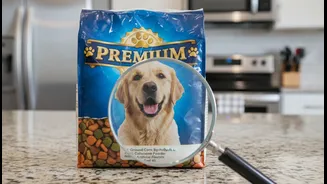
Walk down a pet food aisle, and you're bombarded with a similar vocabulary of wellness: 'natural', 'holistic', 'premium', 'grain-free', and 'human-grade'. These terms are designed to appeal to our desire to provide the best for our pets, tapping into the powerful trend of 'pet humanization' where pets are seen as integral family members. Marketers know that owners often project their own dietary preferences onto their pets. If we believe 'grain-free' is healthier for us, we assume it's better for our dog or cat. The problem is that many of these terms have no strict legal definition in the context of pet food in India, making them powerful yet potentially hollow marketing tools.
A Murky Regulatory Landscape
Herein lies the critical difference. While FSSAI has a specific, mandatory framework for human supplements, the pet food industry in India operates in a grey area. The primary standard for pet food is IS 11968:2019, set by the Bureau of Indian Standards (BIS). However, compliance with this standard is voluntary, not mandatory. FSSAI's involvement is often indirect, focusing on general hygiene, preventing contamination that could affect humans, or licensing the manufacturing units, rather than specifically regulating nutritional claims on the final product. This regulatory gap means that while imported pet food faces some checks, domestic products have less oversight, making it easier for brands to use deceptive marketing language.
What 'Natural' and 'Grain-Free' Really Mean
Let's decode some of these claims. A term like 'natural' might simply mean the ingredients came from a plant or animal source, but it doesn't speak to the quality or nutritional value of those ingredients. A food can be labelled 'natural' and still contain synthetic vitamins and minerals. 'Premium' and 'holistic' are pure marketing with no regulatory definition at all. The 'grain-free' trend is particularly controversial. While it sounds healthy, it simply means carbohydrates come from sources like potatoes or lentils instead of corn or wheat. These diets are not necessarily lower in carbohydrates and, in some cases, have been investigated for potential links to health issues in pets. Without mandatory standards and enforcement, these words are more about advertising than animal science.
How to Be a Smarter Pet Parent
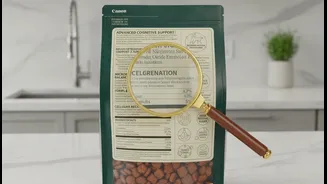
The responsibility, for now, falls largely on the consumer. The goal isn't to demonize all commercial pet food but to approach it with the same critical eye we use for our own products. First, ignore the buzzwords on the front of the bag and turn it over. Look for a named protein source (like 'chicken' or 'lamb') as the first ingredient, not a generic term like 'meat by-products'. Understand the guaranteed analysis, which shows the minimum percentage of protein and fat. Finally, and most importantly, treat your veterinarian as the ultimate source of nutritional advice, not the marketing department of a pet food company. They can help you choose a food based on your pet's specific age, breed, and health needs, cutting through the noise of misleading claims.