





Your Pre-Trip Vehicle Check
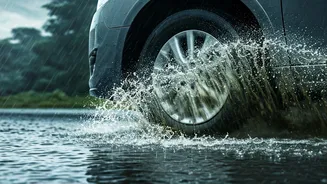
A safe journey begins with a healthy car. Before you set out, conduct a thorough check of the components most affected by rain. First, your tyres. Ensure they have adequate tread depth (at least 3mm is recommended for wet conditions) to prevent aquaplaning.
Check the tyre pressure, including the spare. Next, inspect your wiper blades. If they leave streaks or make squeaking noises, replace them. Old, hardened rubber won't clear your windscreen effectively. Top up your wiper fluid. Finally, test all your lights: headlights (both high and low beam), tail lights, brake lights, and indicators. Clean headlamp covers can significantly improve visibility, so give them a good wipe-down. A quick check of your brakes and battery terminals for corrosion is also a wise move.
Mastering the Wet Roads
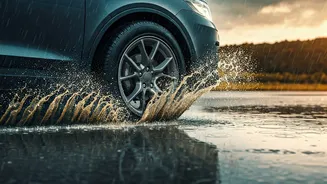
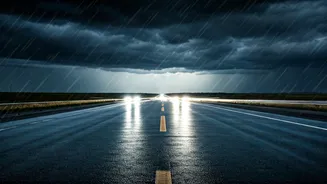
Driving technique needs to adapt significantly in the rain. The golden rule is to slow down. Your reaction time is slower on wet roads, and braking distances can more than double. Maintain a much larger following distance from the vehicle in front of you—aim for a five-to-six-second gap instead of the usual two or three. Avoid sudden acceleration, hard braking, or sharp turns, as these can cause your tyres to lose grip. If you feel the car starting to aquaplane (a sensation of gliding or lightness in the steering), do not panic or slam the brakes. Ease your foot off the accelerator gently and steer straight until you feel the tyres regain traction with the road. Be especially cautious on bridges and overpasses, which can be slicker than regular roads.
Pack a Monsoon Emergency Kit
Being prepared for the unexpected is crucial. Your standard car toolkit is a start, but a dedicated monsoon emergency kit can be a lifesaver. Include a high-visibility waterproof jacket or poncho, a powerful torch with extra batteries, and a basic first-aid kit. Pack some non-perishable snacks like energy bars and biscuits, along with a few bottles of drinking water, in case you get stranded. A tow rope, jumper cables, and a puncture repair kit are also essential. It’s also smart to carry a fully charged power bank for your mobile phone. Keep important documents like your driving licence, RC, and insurance papers in a waterproof pouch. Finally, save the contact numbers for roadside assistance services in the areas you’ll be travelling through.
Navigating Low Visibility and Waterlogging
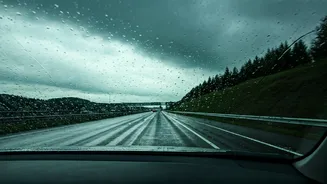
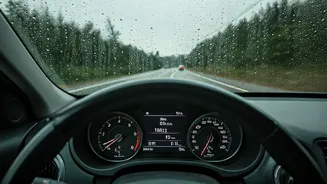
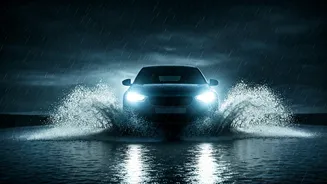
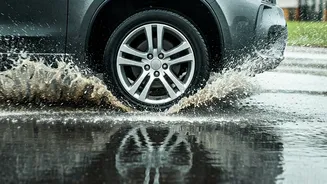
Heavy downpours can reduce visibility to near zero. As soon as visibility drops, turn on your low-beam headlights. This not only helps you see but, more importantly, helps other drivers see you. Avoid using high beams in heavy rain or fog, as the light will reflect off the water droplets and worsen your view. If you encounter a waterlogged street, do not attempt to drive through it if you can't gauge the depth or see the other side. Water that looks shallow can hide deep potholes or debris. If you must cross, drive slowly and steadily in a low gear (first or second) to keep the engine RPMs high and prevent water from entering the exhaust pipe. After clearing the water, tap your brakes lightly a few times to dry them out.
When to Pull Over
There’s no shame in stopping when conditions become too dangerous. If the rain is so heavy that your wipers can’t keep up or you can't see the edges of the road, it's time to pull over. Find a safe spot away from traffic, like a rest stop or a well-lit service area. Avoid stopping under trees or near structures that could be unstable in high winds. Turn on your hazard lights to ensure other vehicles can see you. Wait for the worst of the downpour to pass. A 15-minute delay is far better than risking an accident. Check weather apps or tune into local radio for updates on road conditions ahead before you resume your journey.