





Beyond the Itinerary Add-On
For years, food was a pleasant but secondary part of a holiday. Today, it's becoming the primary motivator. Reports show a significant shift in traveller behaviour, with up to 40% of Indian travellers now choosing destinations based on their culinary
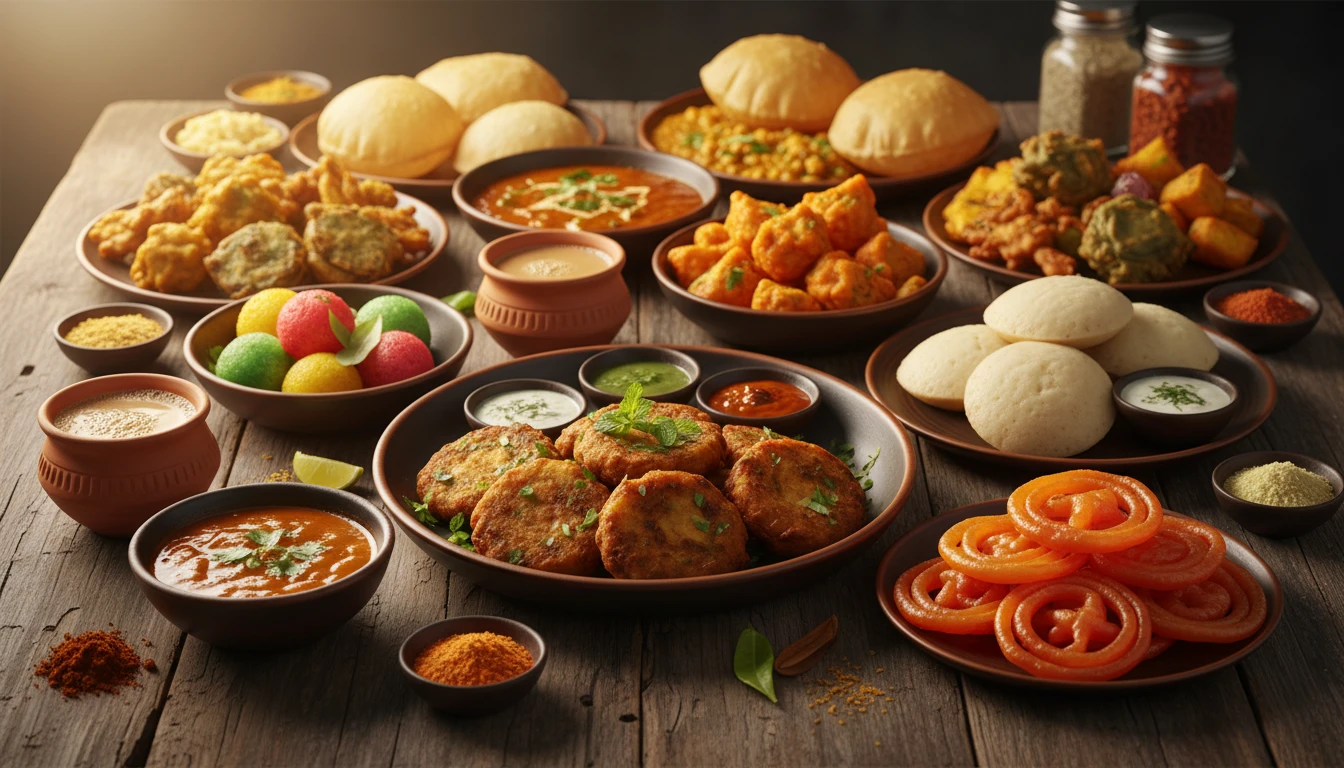
offerings. This trend, known as culinary or gastronomic tourism, is about more than just eating well. It involves designing entire trips around food experiences, from exploring street food stalls and visiting spice plantations to participating in cooking classes in a local home. It represents a move away from seeing the sights to tasting the culture, turning meals into the main event rather than a footnote in a travel plan.
The Rise of the Culinary Explorer
Several factors are fuelling this delicious trend. The influence of social media is undeniable, with platforms like Instagram filled with images of regional delicacies and unique dining experiences that inspire travel. Travellers between 22 and 40, in particular, are driven by this online storytelling. There's also a growing desire for authenticity. After years of standardised travel, many are seeking a deeper, more genuine connection to the places they visit. Food provides that direct link to a region's history, geography, and traditions. The market itself is booming, with some analysts projecting the Indian culinary tourism market to grow at a compound annual rate of over 15% between 2026 and 2036.
A Deeper, More Meaningful Connection
Building a trip around food offers a richer experience that goes far beyond the plate. It encourages interaction with local communities, whether you're chatting with a street food vendor in Old Delhi, learning a family recipe in a Jaipur home, or talking to a farmer in a Maharashtrian wada. This kind of travel directly supports local economies, funnelling money to small-scale producers, family-run eateries, and artisans. It’s a sustainable way to travel that helps preserve culinary heritage and encourages environmentally friendly practices. Instead of just observing a culture, you become an active participant in it, creating memories that last longer than any souvenir.
From Farm Stays to Food Trails
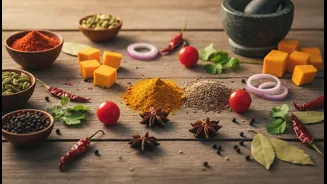
The beauty of food-led travel is its sheer diversity. In India, every few hundred kilometres brings a completely new culinary world. You could plan a trip around a single ingredient or experience. Consider a coffee-centric tour through Coorg, staying in plantation bungalows. Or explore the spice plantations of Kerala, learning about cardamom and pepper before a farm-to-table meal. Agri-tourism is a fast-growing segment, allowing travellers to stay on working farms, participate in harvesting, and enjoy fresh, organic meals. Cities like Lucknow, Kolkata, and Amritsar are famous for their distinct food trails, offering guided walks that reveal the best local specialties. From mango farm stays in the Konkan to Ayurvedic cooking classes in the south, the possibilities are endless.
How to Plan Your Own Food-Centric Trip
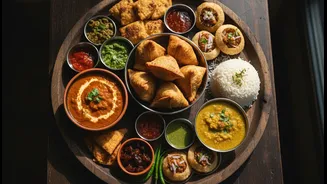
Planning a culinary journey is an adventure in itself. Start by focusing on a region or a specific cuisine that fascinates you, whether it's the complex Mughlai flavours of Hyderabad or the unique vegetarian thalis of Gujarat. Research is key. Look beyond top-rated restaurants and search for blogs, food tour operators, and local guides who can offer an insider's perspective. Consider booking a cooking class, a market tour, or a farm stay to get a hands-on experience. Don’t be afraid to step out of your comfort zone and try dishes recommended by locals. Often, the most unforgettable meals are found not in fancy restaurants but in humble eateries and family kitchens where food is a language of connection.