






The Psychology of Frictionless Spending
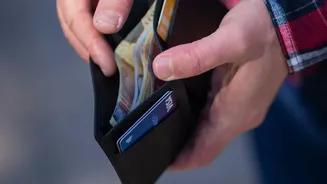
The core of the problem lies in a concept called the "pain of paying." When you use physical cash, handing over notes creates a tangible sense of loss; you see your wallet getting lighter. This friction makes you pause and consider the expense. Digital
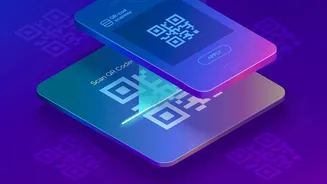
payments, especially the seamless scan-and-pay model of UPI, are designed to be frictionless. This creates a psychological distance from the transaction. The money is just a number on a screen, and the immediate, abstract nature of the payment makes it feel less real, leading to what researchers call 'invisible spending'. Studies have shown people are willing to spend significantly more when not using physical cash because the emotional cost is lower.
Death by a Thousand Small Cuts
A ₹30 chai, a ₹50 auto ride, or a ₹100 snack—individually, these micro-transactions feel harmless. They are too small to trigger financial guilt or merit a second thought. However, this is precisely their danger. These small, frequent debits compound over a month. Ten minor payments of ₹50 a day add up to ₹15,000 in a month, a substantial sum that is rarely accounted for mentally. Because the spending is scattered across dozens of tiny transactions, it becomes difficult to identify where the money actually went when you review your bank statement at the end of the month. This isn't a single large leak in your budget; it's a slow, steady drain from countless drips you never noticed.
Habit 1: Conduct a Weekly UPI Audit
The first step to plugging the leak is to gain awareness. Set aside 15-20 minutes every Sunday to review your UPI transaction history from the past week. Most payment apps like Google Pay, PhonePe, and BHIM have built-in features that categorise your spending. Go through the list and manually tally expenses in key areas like food, transport, and miscellaneous shopping. This simple act of review brings the 'invisible' spending into the light. The goal isn't to judge yourself but to create a clear picture of where your money is flowing. This regular check-in replaces the lost signal of an emptying physical wallet.
Habit 2: Use a Dedicated 'Spending' Account
A powerful way to enforce a budget is to separate your spending money from your primary salary or savings account. Open a separate, preferably zero-balance, digital savings account. At the beginning of each month, transfer your discretionary spending budget—the amount you've allocated for daily coffees, lunches, and small purchases—into this account. Link only this account to your primary UPI app. When the balance runs low, you have a hard stop. This method creates artificial scarcity, forcing you to be more mindful of your spending without constant self-discipline. Your main savings remain untouched and protected from impulsive micro-payments.
Habit 3: Set Spending Limits and Alerts
Make technology work for you. Many UPI and banking apps allow you to set daily or weekly spending limits. Use this feature to create a ceiling for your micro-transactions. Additionally, ensure that you have enabled real-time transaction notifications via both SMS and email from your bank. A push notification from a UPI app can be easily dismissed and forgotten, but a formal SMS creates a more permanent record and a stronger mental registration of the expense. This multi-layered alert system ensures that no payment goes completely unnoticed.
Habit 4: Reintroduce Friction for Small Buys
While it may sound counterintuitive, deliberately making some purchases harder can improve your financial health. Try a 'cash-only for small buys' rule. For example, withdraw a fixed amount of cash at the start of the week and use it for all purchases under ₹100, like tea, snacks, or cigarettes. Watching the physical cash deplete provides the tangible feedback that digital payments lack. This reintroduces healthy friction and forces you to confront the cumulative impact of your small spending in real time. It’s a simple but highly effective way to curb impulse buys.