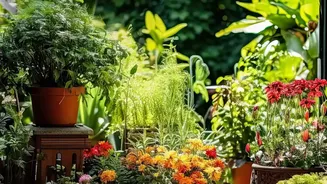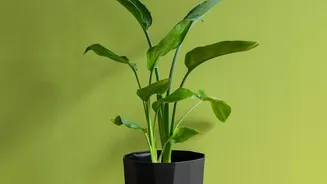



Bringing the lush, vibrant energy of the tropics into your home is a joy, but success starts with one simple rule: match the plant to the place. This guide will help you understand your home's conditions and choose the perfect tropical plant.
First, Understand Your Home's Light
Before you
buy a single plant, take a day to observe the light in your home. Most tropical plants evolved under the canopy of a forest, so they prefer indirect light. Direct sun, especially during the intense Indian summer, can scorch their leaves. 'Bright, indirect light' is the gold standard — a spot near a window where the sun's rays don't fall directly on the plant. This is often found near east-facing windows or a few feet back from a south or west-facing window. 'Medium light' refers to areas that get less consistent light, perhaps in the middle of a well-lit room. 'Low light' is for those corners far from windows that still receive some natural light, but not enough to read by. No houseplant can survive in total darkness.
Effortless Plants for Low-Light Corners
Don't despair if your apartment has dim corners. Some of the hardiest plants are perfectly happy in low-light conditions. The Snake Plant (Sansevieria) is nearly indestructible, tolerating neglect and purifying the air at night, making it ideal for bedrooms. Similarly, the ZZ Plant (Zamioculcas zamiifolia) is a beginner's dream, with glossy, architectural leaves and a tolerance for infrequent watering and low light. Another great choice is the Peace Lily (Spathiphyllum), which is one of the few plants that can produce its elegant white flowers even in shaded conditions. It's also an excellent air purifier.
Versatile Choices for Medium, Filtered Light
Spaces with consistent but not direct sun are perfect for a wide range of tropical beauties. The Money Plant (Pothos or Epipremnum aureum) is a staple in Indian homes for a reason; its trailing vines are forgiving and thrive in medium indirect light. The Philodendron, with its classic heart-shaped leaves, is another adaptable option that can trail from shelves or climb, and it tolerates lower light levels if needed. For a bolder statement, the Rubber Plant (Ficus elastica) offers large, glossy leaves and is surprisingly easy to care for, adapting well to moderate light. These plants often provide a fuller appearance without needing a huge amount of space.
Stunners for Bright, Indirect Light
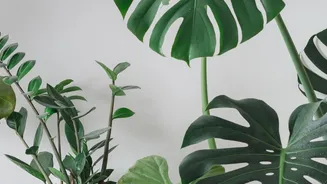
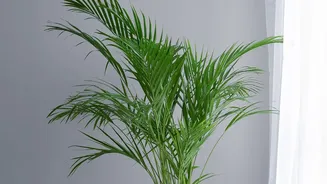
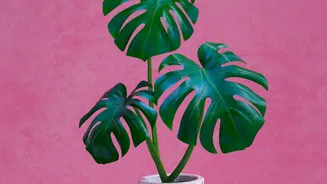
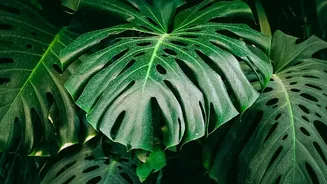
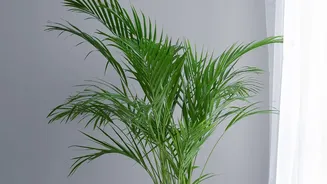
If you have a spot with plenty of bright, filtered daylight, you can grow some truly spectacular tropical plants. The Monstera Deliciosa, or Swiss Cheese Plant, is an icon known for its large, fenestrated leaves that bring an instant jungle vibe. It loves the warmth and humidity common in many Indian homes. The Areca Palm is another favourite for adding a soft, tropical feel with its feathery fronds, and it acts as a natural humidifier. For those who want flowers, the Anthurium (Flamingo Flower) produces stunning, long-lasting blooms and thrives in the bright light and high humidity that mimics its native environment. Calathea varieties also do well here, showing off their incredibly patterned leaves.
Beyond Light: The Role of Humidity and Water
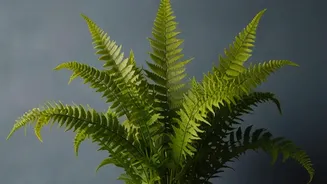
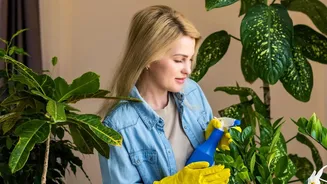
Tropical plants love moisture in the air, which makes the Indian monsoon season a period of major growth for them. Many popular houseplants like ferns, Peace Lilies, and Pothos thrive in moisture-rich air. In drier months or air-conditioned rooms, you can boost humidity by misting your plants or placing them on a tray of pebbles with water. When it comes to watering, the most common mistake is giving too much. Always check the soil first. A good rule of thumb is to water only when the top inch or two of soil feels dry. Plants in lower light will need water less frequently than those in bright spots.