




1983: From Underdogs to World Champions
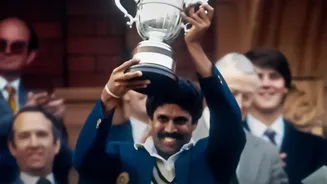
Before 1983, India was a peripheral figure in global cricket, particularly in the one-day format. Led by the spirited all-rounder Kapil Dev, the team entered the World Cup in England as rank outsiders. The tournament turned on its head with Kapil's legendary
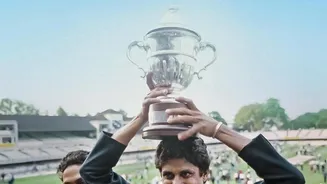
175* against Zimbabwe, an innings that rescued the team from a disastrous 17 for 5 and instilled a newfound belief. The final against the seemingly invincible West Indies was the stuff of legends. Defending a modest 183, India’s bowlers, led by Mohinder Amarnath, pulled off a stunning 43-run victory. That image of Kapil Dev lifting the trophy on the Lord's balcony was more than a sporting triumph; it was a cultural reset. It transformed cricket from a popular sport into a national obsession, inspiring a generation of future players and turning the game into a viable, lucrative career in India.
2000: The Ganguly Era of Fearlessness
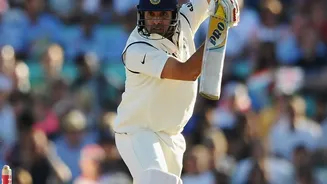
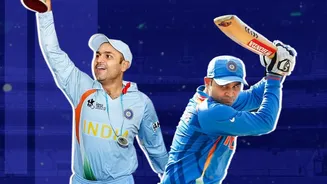
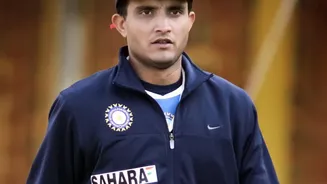
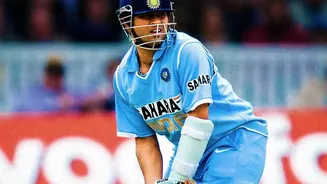
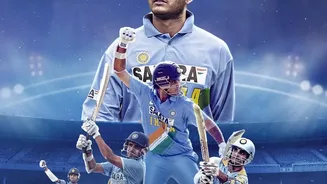
Indian cricket was at its lowest ebb in 2000, rocked by a devastating match-fixing scandal that shattered fans' trust. In this climate of despair, Sourav Ganguly was handed the captaincy. His immediate task was not just to win matches, but to rebuild a broken team and restore its integrity. Ganguly, fondly called 'Dada', ushered in a new, aggressive brand of cricket. He was a leader who backed his players fiercely, scouting and nurturing a new generation of match-winners like Virender Sehwag, Yuvraj Singh, Harbhajan Singh, and Zaheer Khan. He shed India's reputation as 'tigers at home, lambs abroad' by instilling the confidence to fight and win overseas. The 2002 NatWest final win at Lord's, capped by Ganguly’s iconic shirt-wave from the balcony, and reaching the 2003 World Cup final were hallmarks of this transition from a timid side to a combative force.
2007: The Dhoni Era of Calm Dominance
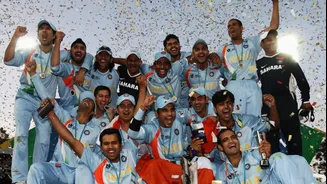
When senior players opted out of the inaugural T20 World Cup in 2007, a young wicketkeeper-batsman named Mahendra Singh Dhoni was chosen to lead a new-look squad. The team's unexpected victory against Pakistan in a thrilling final marked the beginning of a golden era. Dhoni's leadership was a study in contrast to Ganguly's fire; his was an era of icy calm and tactical shrewdness. He became the only captain in history to win all three major ICC trophies: the 2007 T20 World Cup, the 2011 ODI World Cup on home soil, and the 2013 Champions Trophy. This transition was about more than just trophies; it was about mastering the art of handling pressure and becoming the world's most consistent side, culminating in India reaching the No. 1 spot in Test rankings for the first time in 2009.
2014: The Kohli Era of Fitness and Test Supremacy
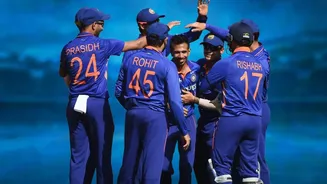
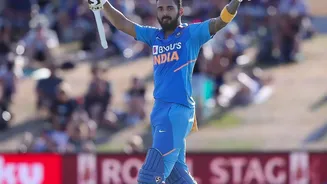
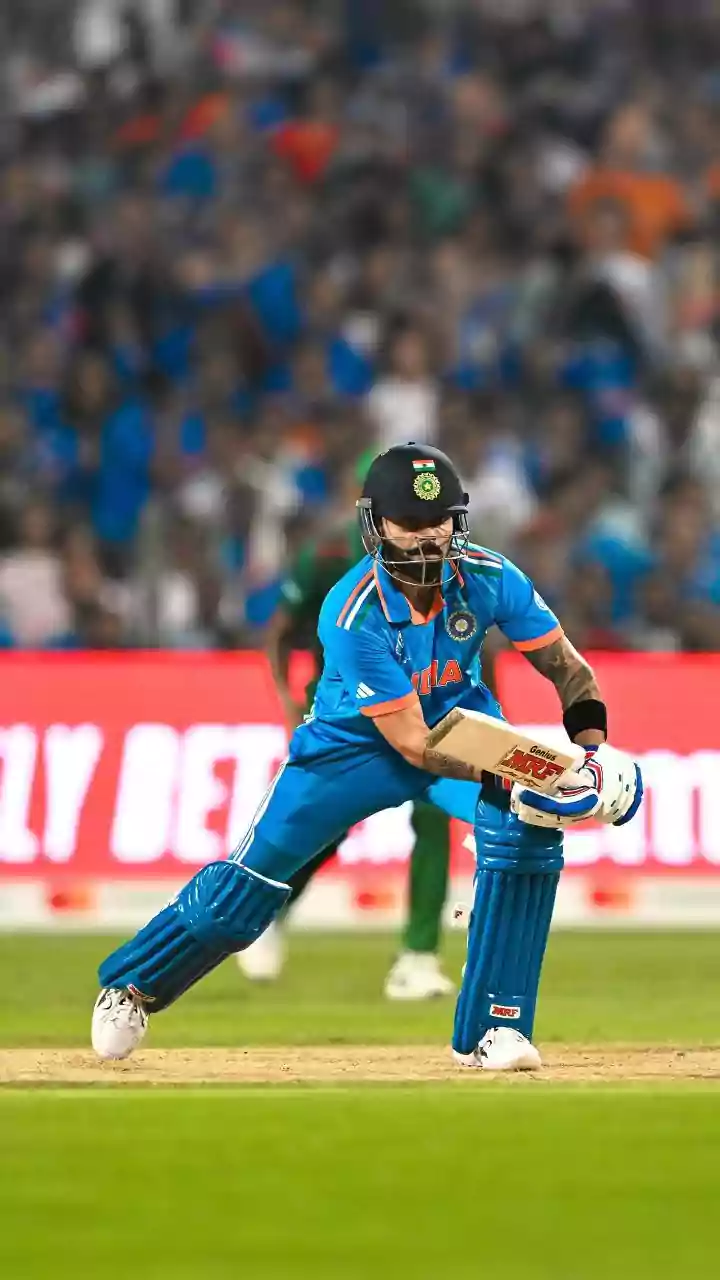
When MS Dhoni passed the Test captaincy to Virat Kohli in 2014, it heralded a seismic shift in the team's culture. While previous eras focused on flair and temperament, Kohli's primary gospel was fitness. He transformed the team's approach to physical conditioning, creating a squad of elite athletes who could compete with relentless intensity over five days. This fitness-first culture, combined with Kohli's aggressive, lead-from-the-front style, turned India into the most dominant Test side in the world. The team held the Test mace for 42 consecutive months and achieved unprecedented success overseas, including a historic first-ever series win in Australia in 2018-19. This transition was defined by a formidable fast-bowling arsenal and an unwavering belief that they could win from any position, in any conditions.