





The Tricky Truth About Thirst
Relying solely on thirst to guide your water intake is like waiting for your phone to hit 1% before you start looking for a charger. By the time you feel thirsty, you're likely already mildly dehydrated. [6, 25] Thirst is your body’s response to fluid
loss, but it’s often a delayed signal. For many people, especially older adults, the thirst mechanism becomes less sensitive with age, making it an even less reliable indicator. [18] Factors like busy schedules, stress, or even living in a hot climate like India’s can further distract you from or dull your body's natural cues. [3, 11] Ironically, being dehydrated can sometimes suppress the thirst reflex, creating a cycle where you accidentally slip into a more dehydrated state without even realizing it. [5]
Hidden Clues Your Body is Dehydrated
If you can’t always trust thirst, what should you look for? Your body has a whole vocabulary of signs to tell you it needs water. One of the most straightforward is checking your urine; dark yellow, strong-smelling urine is a clear sign you need to drink up. [8, 25] Other subtle but significant clues include unexplained fatigue, headaches, dizziness, and a feeling of 'brain fog' or confusion. [9, 16, 25] Dehydration reduces blood volume, forcing your heart to work harder to deliver oxygen and nutrients, which can leave you feeling drained and sluggish. [9, 25] You might also notice a dry mouth, lips, and eyes, or even muscle cramps. [7, 8]
How Much Water is Actually Enough?
The old “eight glasses a day” rule is a well-meaning myth that doesn’t account for individual needs. [4] Hydration isn't one-size-fits-all. In India, factors like high temperatures and spicy foods can increase sweat loss and the body’s water requirements. [17] The Indian Council of Medical Research (ICMR) suggests a baseline of around 2 litres for adults, but this needs to be adjusted for body weight, activity level, and climate. [6] A more personalized approach is to aim for 30-35 ml of water per kilogram of body weight. [6] For an adult weighing 70 kg, that’s about 2.1 to 2.45 litres per day. [14] This requirement increases if you exercise, spend time in the heat, or are pregnant or breastfeeding. [2, 14]
Smart Ways to Stay Hydrated
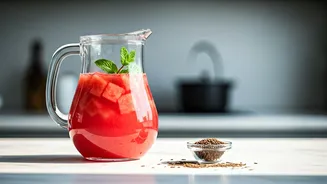
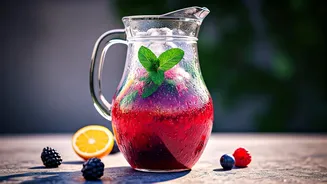
Knowing you need to drink more is one thing; actually doing it when you’re not thirsty is another. The key is to build hydration into your daily routine. Start by keeping a reusable water bottle with you throughout the day as a visual reminder. [12] Try 'habit stacking' by drinking a glass of water every time you perform another routine task, like brushing your teeth or before each meal. [20, 23] If you find plain water unappealing, infuse it with fruits like lemon, cucumber, or mint for a touch of flavour without added sugar. [15, 23] Don't forget that you can 'eat' your water, too. Foods with high water content, such as watermelon, cucumber, lettuce, and dahi, contribute significantly to your daily fluid intake. [12, 17, 23]