






Understand the 'Why' Behind the Habit
Before you can break the habit, it helps to understand why you do it. Compulsively checking email isn't just a bad habit; it's often driven by deeper psychological factors. For some, it's a fear of missing out on a critical update. For others, it's a feeling
of pressure to seem constantly available and productive. This behaviour can also be linked to what psychologists call 'cognitive tunneling', where stress makes you focus on obvious, repetitive tasks—like refreshing your inbox—instead of truly resting. Research shows that this 'always-on' mentality is a significant contributor to stress, burnout, and a negative work-life balance. Recognizing your personal trigger, whether it's anxiety or perceived expectation, is the first step toward regaining control.
Create Practical Digital Barriers
You cannot rely on willpower alone. Creating physical and digital distance from your inbox is essential. Start by turning off all push notifications for work-related apps on your phone. This simple change moves you from a reactive state to a proactive one. If possible, avoid having your work email on your personal phone altogether, or at least move the app off your home screen to make accessing it a more deliberate choice. Some experts recommend using separate devices or even different browser windows for work and personal use. The goal is to make checking email an intentional act, not a mindless reflex, by adding a little friction to the process.
Set and Communicate Clear Expectations
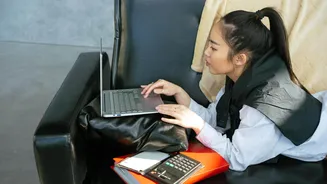
Many people check email after hours because they believe their colleagues or manager expects it. Often, this is an assumption. You can reset these expectations through clear communication. Start by not sending or replying to emails late at night. When you consistently respond the next morning, you teach others your availability without having to explicitly state it. For more directness, use your status message on chat platforms to signal you are offline. You can also have a conversation with your team about response time expectations. For urgent matters, ask colleagues to call or text instead of email, creating a clear channel for true emergencies.
Establish an 'End-of-Day' Routine
A crucial step in disconnecting is creating a clear transition from 'work mode' to 'home mode'. This 'shutdown ritual' signals to your brain that the workday is officially over. Your routine could include several small actions. Spend five minutes tidying your physical and digital workspace. Write down your top three priorities for the next day to get them out of your head. Acknowledge what you accomplished, which helps provide a sense of closure. Finally, perform a symbolic action like closing your laptop and putting it out of sight, changing out of your 'work clothes', or going for a short walk. This routine helps you mentally clock out and prevents work stress from spilling into your personal time.
Replace the Habit with a Healthy Alternative
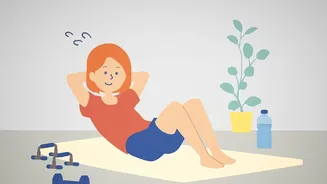
Simply stopping a behavior is much harder than replacing it with a new one. When you feel the urge to check your email, have a pre-planned activity to turn to instead. This could be anything that you genuinely enjoy and that takes you away from a screen. Pick up a book, listen to a podcast or music playlist, spend time with family, or engage in a hobby. By filling the time you would have spent on your inbox with something restorative, you not only break a bad habit but also actively invest in your own rest and well-being. The key is to make the alternative more appealing than the momentary, and often stressful, satisfaction of clearing one more email.