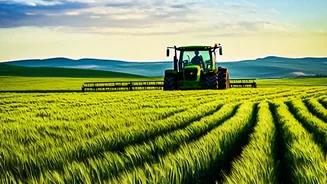








The Double Whammy of Weather and Wages
For decades, brands from soap makers to motorcycle companies have banked on the rising aspirations of rural India. This year, that confidence is being tested. The primary culprit is the 2026 southwest monsoon, which ended up being the weakest since 2015
with a rainfall deficit of nearly 13%. This has had a direct and damaging impact on the agricultural sector, which remains the bedrock of the rural economy. Lower rainfall has led to diminished crop yields and concerns over the upcoming rabi (winter crop) season due to depleted reservoir levels, particularly in southern and northern states. Compounding the issue of lower farm incomes is the sting of inflation. While wage growth has been reported, some analyses suggest that after accounting for statistical changes and rising living costs, real rural wages have actually contracted. For the average rural household, this means less disposable income. The money that might have gone towards a new packet of biscuits, a premium shampoo, or a planned vehicle upgrade is now being redirected to cover essential costs.
Which Sectors Are Feeling the Pinch?
The slowdown isn't uniform; it's hitting categories tied to discretionary and semi-discretionary spending the hardest. Sales of tractors and two-wheelers, often seen as key indicators of rural economic health, have seen significant declines. In September 2026, major manufacturers like Mahindra & Mahindra and Escorts Kubota reported double-digit drops in tractor sales, citing the patchy monsoon. Bajaj Auto also saw a 12% decline in domestic two-wheeler sales. The Fast-Moving Consumer Goods (FMCG) sector, which includes everything from packaged foods to personal care items, is also under pressure. Recent data from NielsenIQ for the June quarter showed a sharp 5% fall in rural FMCG volumes, dragging down the entire sector. This indicates a broad-based slowdown, with reports suggesting that as many as 68% of FMCG categories recorded a decline in consumption volume. Consumers are postponing non-essential purchases and curbing impulse buys, affecting sales of everything from snacks to shoes.
How Brands Are Reworking the Playbook
In response to this challenging environment, consumer brands are being forced to adapt their strategies. One immediate tactic is a renewed focus on 'value'. This doesn't just mean price cuts, which can erode margins already squeezed by rising input and fuel costs. Instead, many are doubling down on small-unit packs, or 'sachet marketing,' to keep products accessible at magic price points of ₹5 and ₹10. This allows consumers to continue purchasing their preferred brands, but in smaller, more affordable quantities. Another strategy is portfolio adjustment. Companies are pushing products and brands in their portfolio that are seen as more essential, while potentially scaling back on new premium launches aimed at the rural market. Marketing messages are also shifting to emphasize value, durability, and savings. Brands are also keenly aware that while rural demand is weak, urban markets and modern trade channels like e-commerce are still showing growth, prompting a potential reallocation of resources and focus.
An Anxious Look Towards the Festive Season
The current slowdown comes at a critical time, just ahead of the crucial festive season, which traditionally sees a spike in consumer spending. For many businesses, from small-town retailers to large corporations, the sales generated between Dussehra and Diwali can determine their annual profitability. However, with farm incomes under pressure, there are significant concerns that this year's festive cheer will be subdued in rural areas. While some optimism remains, the consensus among analysts is one of caution. The weak monsoon's impact on kharif harvests and the uncertain outlook for winter crops mean that the seasonal windfall many farming families rely on may not materialise. This could lead to a festive season characterized by necessity-driven purchases rather than aspirational splurges, further challenging brands that rely on this period for a significant portion of their revenue.