

The New Space Race is Commercial
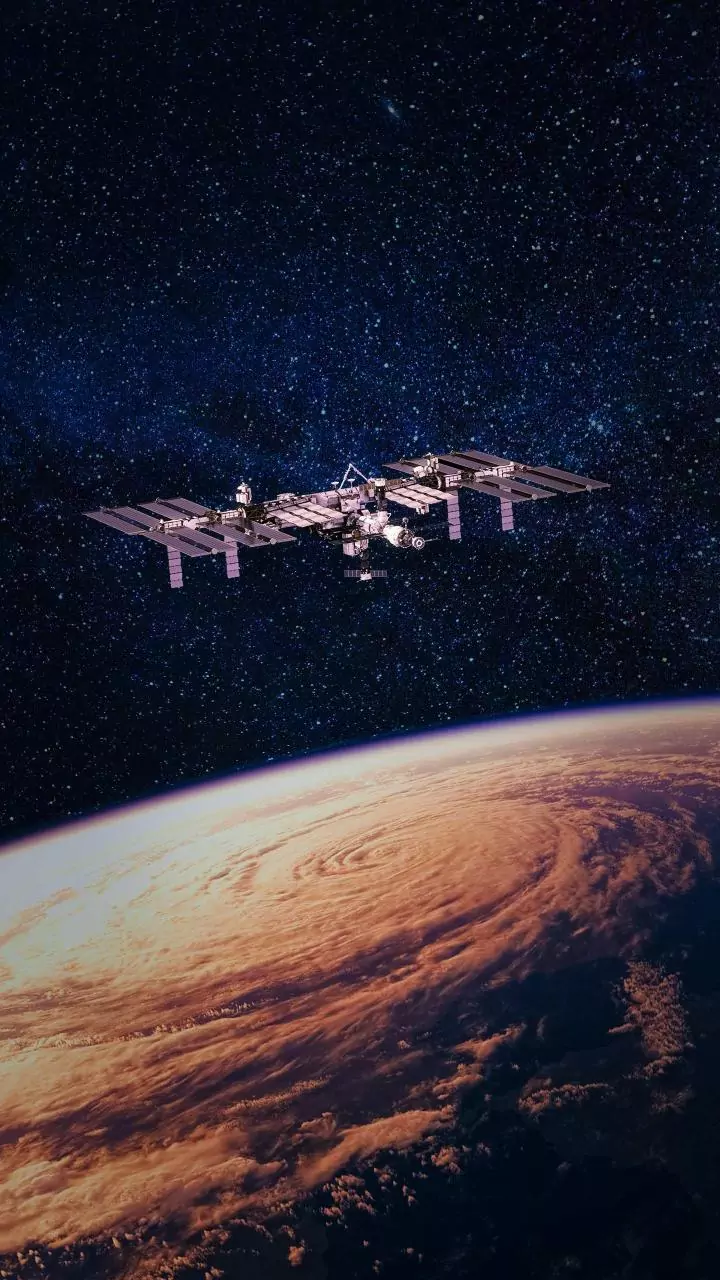
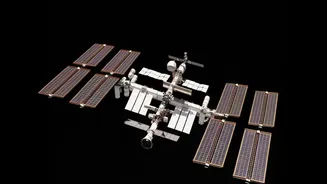
For decades, the International Space Station (ISS) has been the sole human outpost in low-Earth orbit. But with the ISS scheduled for retirement around 2030, a new kind of space race is heating up. This time, the players are not just superpowers but private
companies. NASA is actively encouraging this shift through its Commercial Low-Earth Orbit Destinations (CLD) program, aiming to become just one of many customers for a fleet of privately owned and operated space stations. Companies like Axiom Space, Sierra Space, and Vast are racing to build these successors, creating what they envision as 'business parks in space'. This transition marks a fundamental change, moving from government-led exploration to a robust commercial economy in orbit.
Why Inflatable?
The key challenge in building anything in space is getting it there. A rocket's payload fairing—the nose cone that protects cargo during launch—has a fixed size. Traditional metal habitats are limited by this volume. Inflatable habitats, however, offer a game-changing solution. Made from layers of advanced, flexible materials like Vectran, they can be packed tightly for launch and then expanded to their full size in orbit. This provides a much greater habitable and usable volume for the same mass compared to rigid structures. Think of it like packing a high-tech tent for a cosmic camping trip. It allows for three-story-tall modules to be launched on a single rocket, something unthinkable with metal cylinders. This efficiency dramatically reduces launch costs and complexity, making large-scale commercial stations economically viable.
More Than Just Living Quarters
These futuristic modules are far more than just astronaut apartments. They are designed from the ground up as versatile platforms for science and industry. For example, Sierra Space’s LIFE (Large Integrated Flexible Environment) habitat is a core component of the planned Orbital Reef space station, envisioned as a multi-purpose facility. Axiom Space is building its station by first attaching modules to the ISS, including a dedicated research and manufacturing facility, before detaching to become a free-flying station. These commercial stations are being planned with laboratories, manufacturing bays, and even data centres to serve a diverse range of clients. The goal is to create an end-to-end business platform in space, where companies on Earth can rent space and services for their own specific needs.
The Science of Microgravity
The main product these commercial stations will sell is access to microgravity. On Earth, gravity causes phenomena like sedimentation and convection, which interfere with many processes. In the near-weightlessness of orbit, these effects vanish, creating a unique environment for innovation. Companies are keen to conduct 'low gravity tests' to manufacture products impossible to make on Earth. This includes growing perfect protein crystals for more effective pharmaceuticals, manufacturing flawless fibre optic cables with superior performance, and creating unique metal alloys. Other applications include 3D bioprinting of human organs and developing new semiconductor materials. The potential for breakthroughs in medicine, materials science, and technology is immense, providing the core business case for these orbital platforms.
The Companies Building Our Future in Orbit
Several key players are leading this commercial charge. Axiom Space has already sent multiple private astronaut missions to the ISS and is well underway with constructing its first module, which is expected to launch in 2026. Sierra Space is developing its LIFE inflatable habitat, which has passed numerous crucial stress tests, including being inflated to destruction to prove its strength. The company plans to launch a pathfinder version of a standalone station as early as the end of 2026. Other companies like Vast and Max Space are also developing their own habitat designs, contributing to a vibrant and competitive ecosystem. This competition is accelerating innovation and driving down costs, bringing the prospect of a thriving orbital economy closer to reality.