





The Rise of the Great Indoors
Not long ago, a cancelled plan due to rain felt like a failure—a social engagement lost to the whims of the weather. Today, however, there’s a palpable shift. Staying in has become a desirable event in itself, a concept often dubbed 'cocooning' or celebrated
as the 'Joy of Missing Out' (JOMO). Psychology offers a clue as to why cancelling can feel so good: it eliminates the pressure and mental load associated with social events, known as anticipatory stress. When the excuse is as universal and blameless as a torrential downpour, we get to enjoy the relief without the guilt. This has turned the rainy day from a plan-breaker into a socially acceptable opportunity to recharge, swap a night out for a night in, and trade social obligations for personal comfort. The focus has moved from what we're missing outside to what we can create inside.
Technology as the New Social Host
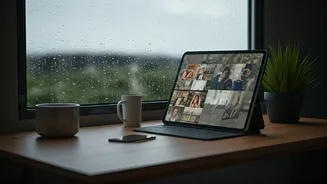
This cultural shift is supercharged by technology. The modern home is no longer a place of social isolation but a fully-equipped entertainment hub. India's smart TV and home theatre market has seen significant growth, with consumers actively investing in creating cinema-like experiences. When the skies open up, a planned movie outing is seamlessly replaced by a group streaming session on a large screen, complete with high-quality sound. Food delivery apps have become the ultimate rainy-day enablers. Studies and restaurant operators note that while heavy downpours can deter even delivery drivers, light to moderate rain often leads to a surge in online orders. Almost half of consumers are more likely to order in during bad weather. This allows a dinner plan to morph from a restaurant booking into a shared meal at home, with multiple cuisines just a few taps away. Online gaming and virtual watch parties also provide a robust digital space for friends to connect without ever leaving their respective living rooms.
An Economic Ripple Effect
The way we react to rain has created clear winners and losers in the economy. Businesses built around the indoor experience are thriving. Streaming services, online gaming platforms, and e-commerce giants see a natural uptick in engagement during periods of bad weather. The food delivery ecosystem, despite logistical challenges during heavy storms, capitalises on the collective urge to stay in. Conversely, traditional brick-and-mortar establishments that rely on foot traffic, like cafes and restaurants without a strong delivery partnership, can see a sharp decline in sales. More than 90% of restaurant operators report that local weather conditions affect their sales. Outdoor event organisers, street vendors, and open-air markets—staples of social life in many Indian cities—are the most vulnerable, forced to either cancel or face significant losses when the monsoon arrives.
A Shift in Social Etiquette
The etiquette around making and breaking plans is also adapting. Sending a 'rain check' text is now a common and largely accepted social move, especially for casual get-togethers. While habitually cancelling can be seen as a negative trait, doing so for a legitimate reason like bad weather is rarely viewed as rude. This has led to a more fluid, flexible approach to socialising. Instead of locking in plans weeks in advance, there's a growing trend towards more spontaneous, weather-dependent arrangements. Friends might make a 'soft plan' for a Saturday, with the tacit understanding that it could become a trek if sunny or a board game cafe visit if it rains. This reflects a broader move away from rigid schedules and towards a social life that can adapt on the fly, accommodating both our moods and the environment.