







From 'Wow' to 'How-To'
The initial wave of public-facing artificial intelligence was defined by a sense of wonder. The launch of generative AI tools like ChatGPT felt like a glimpse into a sci-fi future. This phase was all about curiosity and experimentation. Today, the conversation
has shifted. The focus is no longer on what AI *can* do in theory, but what it *does* do in practice to make life easier. [10, 19] This evolution from novelty to utility marks a significant maturation of the technology. [10] People are now less interested in watching AI perform tricks and more focused on using it as a practical tool for everyday problem-solving, a trend clearly reflected in how it's integrated into apps we use daily. [3, 14]
Your Pocket-Sized Personal Assistant
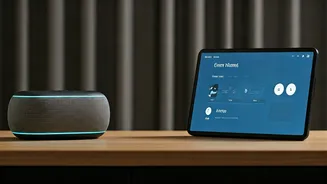
The most profound changes are happening on our smartphones. AI is no longer just a standalone app but a powerful engine running inside other applications. [19] Think of email apps that automatically categorise messages and draft replies, or navigation apps like Google Maps that use AI to predict traffic and find the fastest route. [2, 6] New AI planners can automatically structure your day, manage your calendar, and even send reminders via WhatsApp. [5] These tools streamline daily tasks, from managing schedules to setting automated reminders, effectively turning your phone into an ever-present personal assistant. [3, 4] This integration is so seamless that we often don't even realise we're using AI; we just know that things are more efficient. [7]
A New Era for Indian Consumers
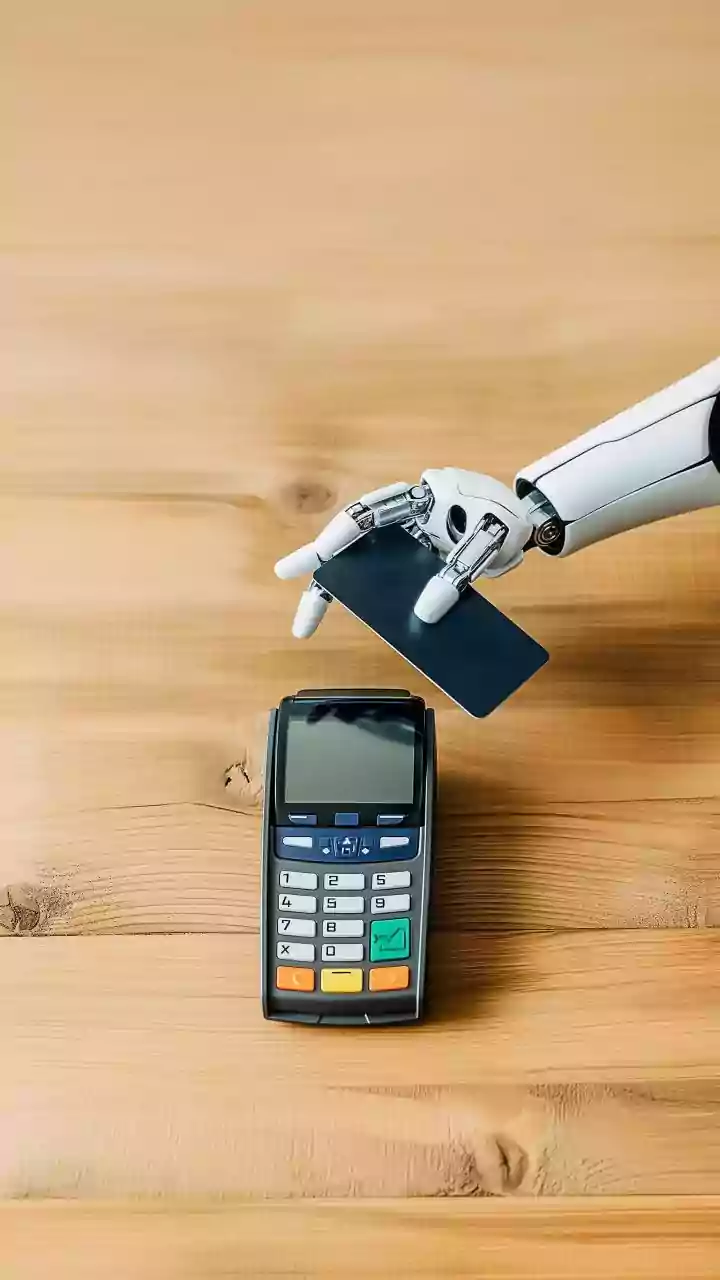
In India, the appetite for practical AI is particularly strong. A recent Adobe report revealed that Indian consumers are leading the Asia-Pacific region in their enthusiasm for AI. [8] A significant 41% of Indian consumers are already using AI-powered shopping tools, with another 40% planning to do so. [9, 12] People are using AI to get personalised product recommendations (65%), for instant customer service (60%), and are even open to the idea of a virtual AI concierge for shopping (62%). [8] This boom in adoption is fuelled by affordable data, a thriving startup ecosystem, and government digital initiatives that have made AI tools more accessible than ever. [11] Despite this, many consumers still expect these AI features to be free add-ons rather than paid services. [9]
The AI Co-worker Is Already Here
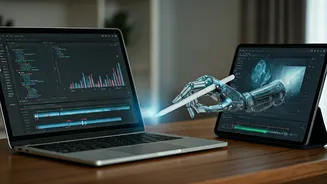
The pursuit of convenience extends from our personal lives into the workplace. What begins as an employee using an unapproved AI tool to work faster—a phenomenon known as 'shadow AI'—is a sign of a real need for better efficiency. [20] AI is rapidly becoming a standard feature in professional software, helping with tasks like summarising long documents, transcribing meetings, and even writing code. [16, 17] Companies are increasingly building AI directly into their platforms, from Notion's knowledge management to ClickUp's project analysis. [16, 17] This shift demonstrates that AI is not just for personal productivity but is fundamentally reshaping workflows and becoming an indispensable digital teammate that handles repetitive tasks, allowing people to focus on more strategic work. [16, 21]
What's Driving the Shift to Utility?
Several factors are behind this move from AI curiosity to convenience. Firstly, the technology itself has become more powerful and accessible. Secondly, there's a clear market demand. After the initial novelty wore off, users started looking for real value, and developers responded by building purpose-built tools that solve specific problems. [14, 15] This is evident in the rise of 'agentic AI'—systems designed to proactively manage tasks on your behalf, like Google's Gemini Spark or personalised daily briefings. [18] As one report noted, the conversation is no longer about *whether* to use AI, but how to redesign our lives and work *around* it. [19] This transition reflects a new maturity, where the ultimate measure of AI's success is its practical usefulness. [15]