
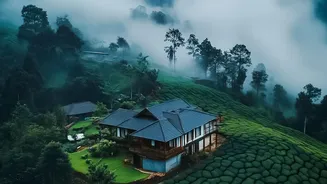
Embrace the Monsoon Mindset
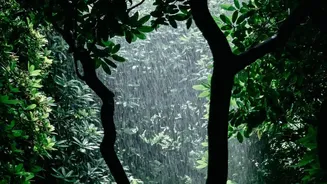
The first step to a successful monsoon trip in the Western Ghats is a mental shift. The goal is not to avoid the rain, but to embrace it as the main attraction. The entire ecosystem comes alive between June and September, transforming the landscapes of
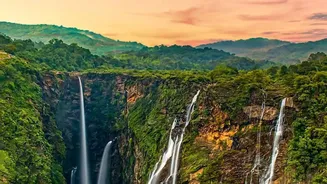
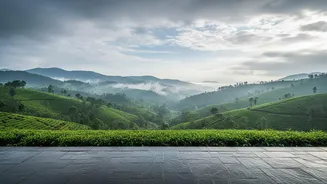
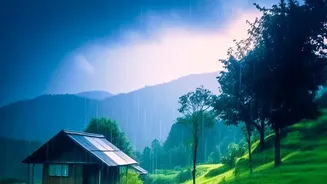
Kerala, Karnataka, Tamil Nadu, Goa, and Maharashtra. Hills are cloaked in countless shades of green, waterfalls that are mere trickles in summer become powerful cascades, and a perpetual mist adds a layer of mystique to the forests and peaks. Instead of seeing rain as an inconvenience, view it as the very reason for the region's dramatic beauty. This season offers fewer crowds and often lower hotel prices, allowing for a more peaceful and intimate experience with nature.
Choose Your Monsoon Haven Wisely
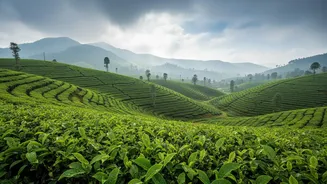
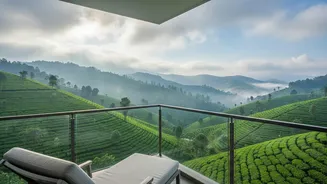
Not all destinations in the Ghats are created equal during the rainy season. Some areas are prone to landslides and may get cut off, while others thrive. Focus on regions known for their waterfalls and accessible viewpoints. Places like Agumbe in Karnataka, often called the 'Cherrapunji of the South', become a trekker's paradise with numerous falls like Onake Abbi and Jogigundi. Munnar in Kerala is another prime choice, where the rain breathes life into its vast tea plantations and waterfalls like Attukal and Lakkam become spectacular. In Maharashtra, hill stations like Mahabaleshwar and Malshej Ghat offer stunning drives through misty valleys dotted with waterfalls. Before booking, research local conditions and choose spots known for reliable road connectivity.
Master the Art of Monsoon Packing
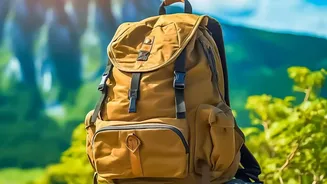
Your packing list can make or break a rainy-season trip. Go beyond a simple umbrella. A lightweight, reliable raincoat or poncho is essential, as monsoon winds can render umbrellas useless. Opt for quick-dry synthetic clothing over cotton, which stays damp and heavy. Footwear is critical; choose waterproof shoes or sandals with excellent grip to navigate slippery trails and paths. Protect your electronics with waterproof bags or pouches. It's also wise to pack a few silica gel packs to toss into your luggage to combat dampness, a basic first-aid kit with antiseptic and insect repellent, and a quick-dry towel. These small additions ensure comfort and protect your gear from the pervasive moisture.
Navigate the Roads with Caution
Driving through the Western Ghats in the monsoon is an experience in itself, with emerald landscapes and clouds drifting across the road. However, it demands caution. Reduced visibility from fog and heavy rain is a constant, so always drive with your low-beam headlights on. Wet roads significantly increase braking distance, so maintain a much larger gap than usual between you and the vehicle ahead. Be extremely wary on ghat sections, as landslides and falling rocks are a real risk. Before you start, check your vehicle’s tyres for adequate tread. Avoid driving through waterlogged roads if you can't gauge the depth, and never attempt to cross fast-flowing water. It's best to start your journey early and reach your destination before dark.
Activities That Shine in the Rain
Some experiences are uniquely tailored for the monsoon. This is the prime time for 'waterfall hopping' in places like Agumbe or Wayanad. Many treks are at their most beautiful, though it's crucial to choose safer, well-marked trails and ideally go with a local guide. Treks in Coorg, Chikmagalur, and the Nilgiris offer the chance to walk through mist-covered cloud forests. Beyond trekking, simply driving through routes like the one to Valparai in Tamil Nadu or Tamhini Ghat in Maharashtra becomes a scenic journey. The season also brings out unique biodiversity; guided 'frog walks' at night in places like Agumbe and Wayanad reveal a world of amphibians that are only active during this time. Even finding a roadside stall for hot tea and pakoras while watching the downpour is a quintessential monsoon pleasure.