








Why Your Scalp is the Real Monsoon Culprit
The familiar “hair drama” of the monsoon—frizz, limpness, and breakage—isn't just about your hair strands reacting to moisture. The real issue starts at the scalp. High humidity creates a perfect storm on your head. First, your scalp’s oil glands can
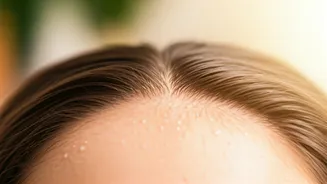
go into overdrive, leading to greasiness. This excess oil, combined with sweat and environmental pollutants, creates a breeding ground for fungi, particularly one called Malassezia. This yeast is a natural part of the scalp's microbiome but thrives in warm, damp conditions, leading to dandruff, itchiness, and inflammation. The combination of excess moisture, clogged follicles, and potential fungal overgrowth weakens hair roots, leading to increased hair fall.
Build Your Monsoon Scalp Defence
Fighting back against monsoon hair problems requires a targeted approach that prioritises cleansing and balancing the scalp. It’s less about heavy-duty styling and more about creating a healthy foundation. Think of it as skincare, but for your head. A few strategic swaps and additions to your routine can make all the difference, turning a season of hair frustration into one of control and health.
Cleanse Correctly and Consistently
During the monsoon, washing your hair 2-3 times a week is generally recommended to prevent the buildup of oil, sweat, and pollutants. However, avoid harsh daily shampoos that can strip your scalp of its natural oils, which can ironically make it produce even more sebum. Look for a pH-balanced, gentle shampoo for regular use. Once a week, incorporate a clarifying or anti-fungal shampoo with ingredients like ketoconazole, salicylic acid, or zinc pyrithione to keep fungal growth and dandruff in check. If you get caught in the rain, make sure to rinse your hair with clean water as soon as possible to wash away acidic pollutants that can weaken the hair follicles.
Introduce Scalp-Specific Ingredients
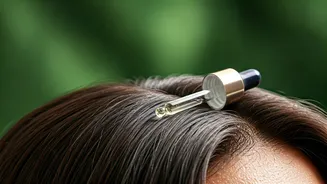
Treat your scalp with the same care you give your face. Look for ingredients that tackle common monsoon issues. Tea tree oil is a natural antifungal and antibacterial agent that can be added to a carrier oil for a pre-shampoo massage. Neem is another traditional remedy known for its powerful antifungal properties; a rinse made from boiling neem leaves can help soothe an itchy, irritated scalp. For exfoliation, products containing salicylic acid or even a gentle DIY scrub with yogurt can help remove dead skin cells and product buildup, keeping follicles clear.
Rethink Oiling and Conditioning
While oiling is a cornerstone of Indian hair care, its application needs to be adjusted for the monsoon. Heavy, overnight oiling can trap moisture and worsen fungal issues in a humid environment. Instead, opt for a light oil massage with something like coconut or argan oil for 30-60 minutes before you shampoo. This pre-conditioning step protects the hair shaft without suffocating the scalp. When it comes to conditioner, focus the application on the mid-lengths and ends, keeping it away from the scalp to avoid weighing down the roots and contributing to greasiness.
The Importance of Drying Properly
This might be the most overlooked yet crucial step. Leaving your hair and scalp damp for extended periods is an open invitation for fungal growth. Never tie up wet hair, as this traps moisture against the scalp and weakens the roots. After washing, gently pat your hair with a soft, microfibre towel to minimize friction and breakage. While air-drying is ideal, if you're short on time, use a blow dryer on a cool setting to ensure your scalp is completely dry.