





The Anatomy of a Flavour Explosion
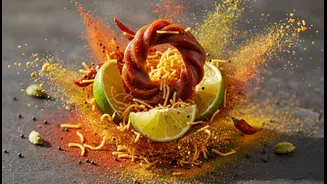
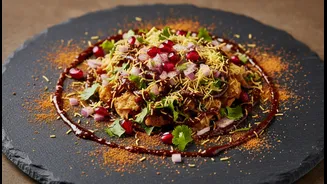
Chatpata isn't a single taste but a symphony of sensations. The term itself, derived from the Hindi word 'chaatna' (to lick), hints at its lip-smacking quality. It’s a masterful collision of sweet, sour, spicy, salty, and tangy all at once. Think of the core
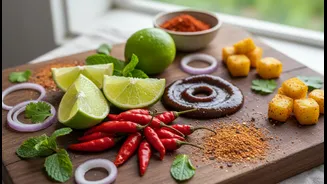
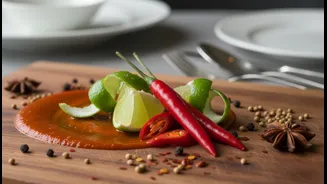
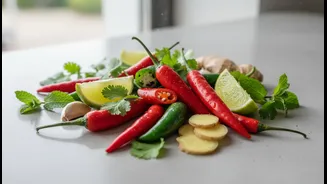
ingredients: tamarind provides a sour base, jaggery or date chutney brings sweetness, green chillies add a sharp kick, and a blend of spices topped with kala namak (black salt) delivers a uniquely savoury, funky depth. This isn't just a random mix; it's a carefully constructed experience designed to hit every single one of your taste receptors in a delightful chaos.
The Science of Sensory Overload
Our brains are hardwired to love complexity. While we can only detect a handful of basic tastes like sweet, sour, salty, bitter, and umami, the magic of flavour comes from their interaction and, crucially, from our sense of smell. Chatpata food is a masterclass in this principle. The combination of contrasting tastes keeps your palate engaged. Acidity from tamarind or lemon brightens the overall flavour, salt enhances sweetness while suppressing bitterness, and the heat from chillies provides a sensation of mild pain that many find pleasurable. This layering ensures that no single taste dominates, creating a balanced yet thrilling experience that your brain registers as intensely satisfying.
A Taste of History and Community
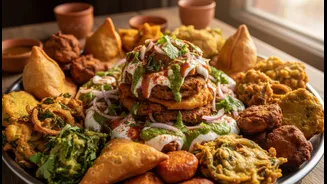
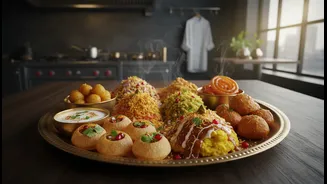
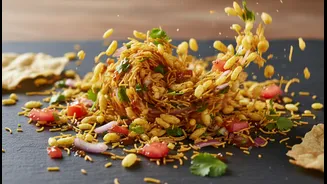
The roots of chatpata are deeply embedded in Indian history, most notably with the evolution of chaat. One popular legend traces chaat back to the Mughal era, during the reign of Emperor Shah Jahan. It's said that when the waters of the Yamuna river became contaminated, royal physicians advised people to consume foods loaded with spices and tang to combat potential illnesses. This led to the creation of snacks that were both delicious and believed to have medicinal properties. From these royal beginnings, chaat trickled down to the streets, becoming an accessible and beloved snack for everyone. Today, enjoying chaat is often a social ritual, a reason for friends and families to gather at a street-side stall, sharing a plate and a conversation.
The Psychology of Craving
Why do you find yourself craving that plate of dahi puri on a stressful day? It’s not just in your head; it’s in your brain chemistry. Foods high in salt, sugar, and fat are known to trigger the brain's reward system by releasing dopamine, a neurotransmitter associated with pleasure. Chatpata snacks, with their intense combination of flavours, provide a powerful sensory hit that our brains find highly rewarding. Cravings are also deeply linked to memory and emotion. The taste of a specific chatpata dish can transport you back to childhood, a train journey, or a festive occasion, making it a source of comfort and nostalgia. We don't just snack because we're hungry; we do it because it feels like home.
From Street Food to Global Trend
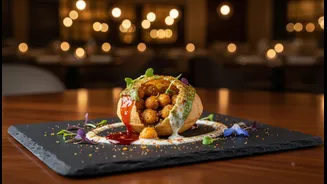
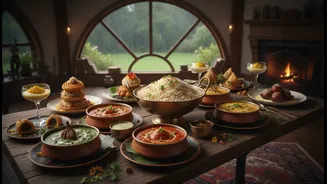
The appeal of chatpata has transcended street corners and is now a global phenomenon. Chefs in fine-dining restaurants are reinterpreting classic chaat, while international food trends celebrate the piquant, complex flavour profile once confined to Indian street food. You can find chatpata-inspired marinades, dressings, and even fusion dishes like masala tacos. This evolution demonstrates the incredible versatility and timeless appeal of the flavour. It has moved from a regional specialty to a global culinary language, proving that the desire for bold, layered, and exciting tastes is universal.