


The Search for Complete Protein
First, let's break down what 'complete protein' really means. Proteins are made of building blocks called amino acids. There are twenty different amino acids, but nine of them are 'essential,' meaning our bodies can't produce them. We must get these essential amino acids from
our food. A food source that contains all nine of these essential amino acids is called a complete protein. While animal products like meat, eggs, and dairy are well-known complete proteins, many believe plant-based diets make it harder to get them. This leads many to strategically combine foods, like rice and beans, to create a complete protein profile in one meal.
Tofu: The Plant-Based Powerhouse
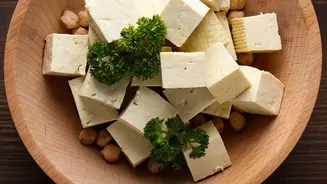
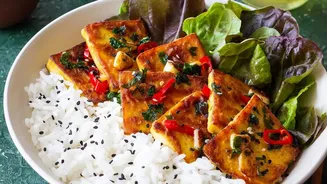
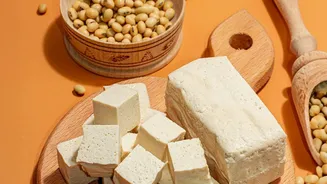
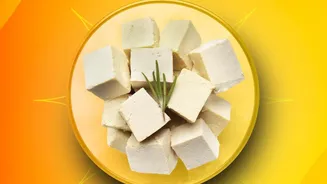
Tofu, made from condensed soy milk, is a pillar of plant-based eating for good reason. Contrary to a common misconception, soy is one of the few plant-based sources that is a complete protein all on its own. That means tofu provides all nine essential amino acids your body needs. A 100-gram serving of firm tofu typically offers around 8-10 grams of protein. It's also low in calories and fat, cholesterol-free, and can be a great source of iron and calcium, especially if calcium is used in its production process. Its ability to absorb the flavours of marinades and sauces makes it incredibly versatile in the kitchen.
Paneer: The Dairy Dynamo
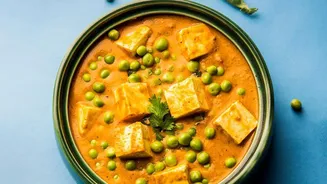
Paneer, a fresh cheese common in Indian cuisine, is another protein heavyweight. As a dairy product, it is also a complete protein, boasting all essential amino acids. Gram for gram, paneer packs a bigger protein punch than tofu, with a 100-gram serving containing about 18-21 grams of protein. It's also a rich source of calcium, which is vital for bone health. The protein in paneer is primarily casein, which is slow-digesting. This provides a steady release of amino acids, making it excellent for muscle repair and keeping you feeling full longer. However, it is significantly higher in calories and fat compared to tofu.
So Why Pair Them at All?
Since both tofu and paneer are complete proteins, pairing them isn't about filling a nutritional gap. You don't need to eat them together to get your essential amino acids. The magic of the combination lies in dietary strategy and culinary experience. By combining them, you get the best of both worlds. You're not just getting a high quantity of protein from the paneer, but you're balancing it with the leaner profile of tofu. This creates a meal that is exceptionally high in total protein without being excessively heavy in fat and calories. It's a strategic way to maximise protein intake, which is especially useful for athletes, those looking to build muscle, or anyone with higher protein needs.
A Perfect Marriage of Texture and Taste
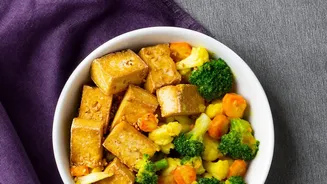
Beyond the macronutrients, the pairing is a culinary triumph. Tofu, especially the firm variety, has a softer, more absorbent quality, while paneer is denser and heartier. When cooked together, they create a wonderful textural contrast in every bite. Imagine a stir-fry or curry where you get a creamy piece of paneer followed by a tender, sauce-soaked piece of tofu. This variety can make vegetarian meals more satisfying and interesting. For dishes like a mixed grill or skewers, the two can be marinated together, each taking on the spices in its own unique way, offering a complex and layered flavour experience.
Delicious High-Protein Dinner Ideas
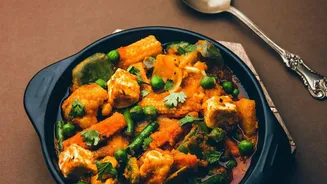
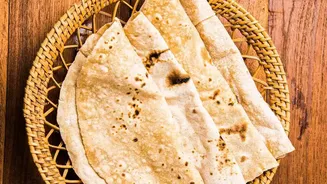
Putting this pair to work at dinner is simple and delicious. Try making a Tofu and Paneer Bhurji, a scramble with onions, tomatoes, and spices, for a quick and protein-filled meal served with roti. You can also cube both, marinate them in yogurt and tandoori spices, and thread them onto skewers with peppers and onions for a fantastic Tofu Paneer Tikka. Another great option is to add both to your favourite creamy curry, like a Palak (spinach) or Makhani sauce. The paneer will remain rich and dense, while the tofu will soak up the gravy, providing two distinct but complementary experiences in one dish.