
The Search for India’s New Remote Work Hub
As remote work shifted from a temporary fix to a permanent lifestyle, professionals began looking for destinations that offered more than just a good internet connection. The usual metropolitan hubs felt confining, and even popular spots like Goa started
to feel crowded and expensive. This created a demand for alternatives that blended productivity, affordability, and a better quality of life. Remote workers began seeking quieter, more inspiring environments where they could focus on work while also enjoying a relaxed, vacation-like atmosphere. The search was on for India's next great 'workation' spot, and a couple of unassuming coastal towns were perfectly positioned to answer the call.
The Unique Allure of a Cliffside Office
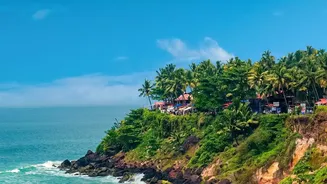
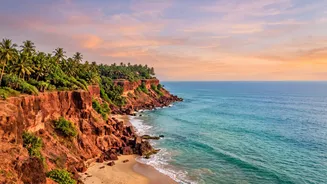
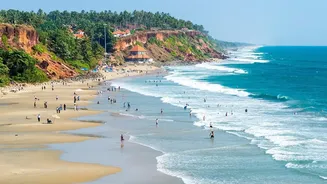
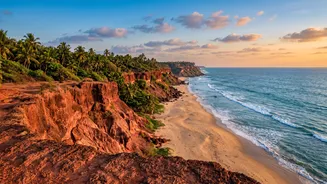
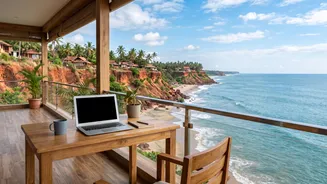
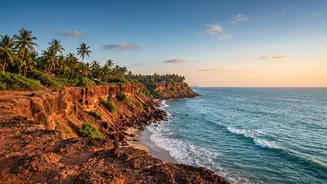
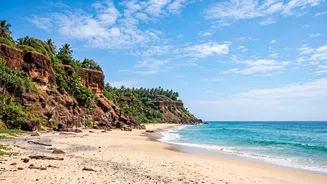
What sets Gokarna and Varkala apart is their dramatic cliffside geography. Unlike the flat beaches that line much of India's coast, both towns offer elevated views of the Arabian Sea. Varkala, in particular, is home to the only cliffs adjacent to the sea in southern Kerala, a unique geological formation of red laterite that has been declared a national geological monument. This allows for a string of cafes, guesthouses, and makeshift workstations perched high above the water. The appeal is undeniable: a workday punctuated by the sound of crashing waves and panoramic sunset views. It’s a backdrop that inspires creativity and provides a sense of escape that a typical office or even a standard beach shack cannot match.
Gokarna: The Quieter, Bohemian Alternative
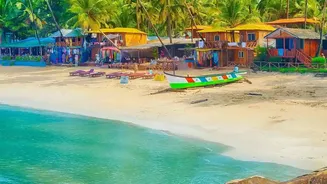
Historically a pilgrimage town in Karnataka, Gokarna has long been known as a more tranquil, rustic alternative to Goa. Its appeal for remote workers lies in this laid-back, bohemian vibe. The town is flanked by several stunning beaches like Kudle and Om, which are less commercialised and offer a sense of seclusion. For years, it attracted backpackers and yoga enthusiasts, but now it's a haven for digital nomads seeking focus. While the infrastructure was initially a concern, many hostels and cafes, particularly around Kudle Beach cliff, now offer reliable fiber internet with speeds up to 80 Mbps, dedicated co-working areas, and power backup, directly catering to the needs of remote professionals.
Varkala: Wellness, Waves, and Wi-Fi
Down south in Kerala, Varkala offers a slightly more polished but equally captivating experience. Famous for its cliff-top promenade lined with shops and eateries, Varkala seamlessly blends wellness tourism with a growing digital nomad culture. It's a hub for Ayurveda, yoga, and surfing, allowing remote workers to easily integrate wellness activities into their daily routine after logging off. The infrastructure here is robust, with many hostels and cafes providing high-speed internet (100 Mbps or more), dedicated workspaces, and full power backup. This reliability, combined with a vibrant-yet-relaxed social scene, makes it particularly attractive for those who want modern comforts alongside their cliffside views.
The Budget-Friendly Equation
Perhaps the most crucial factor in the rise of both towns is affordability. The cost of living in Gokarna and Varkala is significantly lower than in major cities or even Goa. Monthly budgets for a comfortable lifestyle can range from ₹35,000 to ₹90,000, covering accommodation, food, and other expenses. In Gokarna, a dorm bed in a co-working hostel can be found for ₹12,000 to ₹18,000 a month, while a private room might cost between ₹24,000 and ₹42,000. Varkala presents similar figures, with long-stay dorms ranging from ₹14,000 to ₹24,000 and private rooms from ₹32,000 to ₹55,000 monthly. This economic advantage allows remote workers to extend their stays and enjoy a high quality of life without the financial strain of a big city.
Connectivity and Community
While the views are a major draw, none of this would be possible without functional infrastructure. Both towns have seen significant improvements in internet connectivity, with widespread availability of 4G mobile data from providers like Jio and Airtel serving as a reliable backup. More importantly, a community of like-minded individuals has blossomed. These are not just tourist towns anymore; they are places where writers, developers, and designers live and work. This creates a supportive environment, with informal meetups and collaborative spaces making it easy for newcomers to connect, network, and feel at home. Hostels and cafes often double as social hubs, fostering a sense of community that is vital for long-term remote workers.