



What Are Solid-State Batteries Anyway?
At the heart of every electric scooter is its battery, which until now has almost always been a lithium-ion unit. These batteries work by using a liquid electrolyte to move energy around. It's a proven technology, but it has drawbacks, including fire
risk, weight, and charging limitations. Solid-state batteries are the next generation. As the name suggests, they replace the flammable liquid electrolyte with a solid material, like a thin layer of ceramic or polymer. This fundamental change sounds simple, but it unlocks a cascade of benefits that could completely reshape the electric vehicle industry, from high-end cars to the everyday scooter.
The Big Breakthrough: Performance and Safety
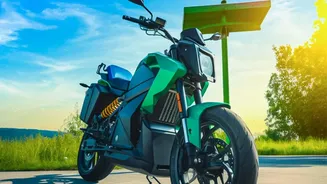
Recent advancements in 2026 have moved solid-state technology from the lab to production lines for the first time. Testing shows these new batteries offer a massive leap in performance. The key advantage is energy density. Because solid electrolytes are more stable and compact, manufacturers can pack significantly more power into the same physical space—potentially 50% to 100% more. For a scooter rider, this means a future where a 60 km range could become 100 km or more, without a bigger, heavier battery. Beyond range, safety sees a huge improvement. The absence of a flammable liquid virtually eliminates the risk of thermal runaway and fires, a major concern with current batteries. Furthermore, charging times are set to plummet. Early production models for electric motorcycles have demonstrated the ability to charge to 80% in as little as 10-15 minutes, a speed that makes recharging as convenient as a quick stop for tea.
The Path to Lower Prices
While the performance gains are exciting, the most significant impact for the Indian market is cost. Currently, solid-state batteries are expensive to produce, sometimes costing several times more than their lithium-ion counterparts. However, recent testing advances are not just about performance, but also about simplifying manufacturing. The simpler, more compact design of solid-state cells requires fewer components and less complex safety monitoring systems. As companies scale up production, these efficiencies will drive down costs. Experts predict that the cost per kilowatt-hour will fall dramatically over the next few years. The target is to reach price parity with lithium-ion batteries by the end of the decade, a key milestone for mass adoption. For scooter manufacturers, this means the single most expensive component of the vehicle is set to become cheaper, a saving that will inevitably be passed on to the consumer.
When Can You Buy One in India?
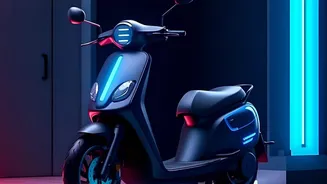
While some premium electric motorcycles with solid-state batteries are already available in international markets in 2026, their arrival in the mainstream scooter segment will be gradual. Indian companies like Ola Electric are actively working on developing their own solid-state batteries, with plans to begin production within the next couple of years. The consensus is that the first solid-state electric scooters will appear as high-end options in late 2027 or early 2028, likely at a premium price. As manufacturing scales and costs decrease, the technology is expected to filter down to mid-range models between 2029 and 2030. By the early 2030s, solid-state batteries could become the standard for all but the most budget-friendly electric scooters, making range anxiety and long charging waits a thing of the past for the average rider.