





What Happens When You Overeat?
When you consume more food than your stomach can comfortably hold, it stretches beyond its usual size, which can be about one to two cups of food for the average adult. This expansion can crowd nearby organs, leading to discomfort, tightness, and that
all-too-familiar drowsy feeling. Your body also has to work overtime, producing extra digestive fluids and enzymes to break everything down. This process diverts blood flow from other parts of your body to your digestive system, which can make you feel tired and sluggish. High-fat or carb-heavy meals can also cause a spike, then a crash, in your blood sugar levels, contributing to fatigue.
How Long Does Digestion Take?
There's no single answer, as digestion time varies based on your metabolism, the size of the meal, and what you ate. After eating, food typically spends about six to eight hours passing through your stomach and small intestine. It then moves to the large intestine, where it can remain for another 36 to 48 hours while water is absorbed before waste is finally eliminated. The type of food makes a big difference. Carbohydrates digest relatively quickly, while proteins and especially fats take much longer to break down. This is why a rich, fatty festive meal can leave you feeling full and bloated for an extended period.
To Walk or Not to Walk?
The age-old advice to take a post-meal stroll holds true, but with an emphasis on keeping it gentle. A light walk, even for just 10 to 15 minutes, can significantly aid digestion. It helps stimulate the stomach and intestines, allowing food to move through your system more rapidly and reducing feelings of bloating and gas. Studies show that walking after a meal can also help regulate blood sugar levels. However, this is not the time for a high-intensity workout. Strenuous exercise can pull blood away from your digestive system and toward your muscles, which can actually slow digestion and cause discomfort.
Common Post-Meal Mistakes to Avoid
One of the worst things you can do after a large meal is to lie down immediately for a nap. Lying flat can allow stomach acid to travel back up into your esophagus, leading to heartburn and acid reflux. Try to stay upright for at least an hour after eating. Another common mistake is to reach for carbonated beverages to settle your stomach. The gas in these drinks can actually make you feel more bloated. While staying hydrated is important, try to wait at least 30 minutes after your meal before drinking a large amount of water, as it can dilute digestive fluids.
Foods and Drinks That Can Help
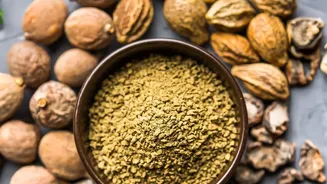
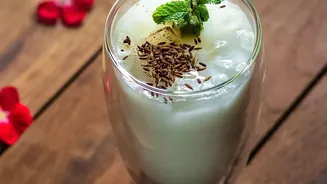
If you're feeling uncomfortable, certain natural remedies can provide relief. Herbal teas containing peppermint, chamomile, or ginger are known for their soothing properties and can help reduce gas and indigestion. Peppermint, in particular, has an antispasmodic effect that can ease stomach issues. Sucking on fennel seeds, a common practice in India, can also aid digestion. Drinking plenty of water throughout the day (though not immediately after the meal) helps your body process the excess salt you may have consumed, which can reduce water retention and bloating.
Planning for the Next Feast
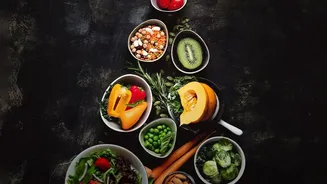
The best way to manage festive overeating is to be mindful during the meal itself. Try to eat slowly. It takes about 20 minutes for your brain to receive the signal from your stomach that you're full, so rushing through your meal makes it easy to eat past the point of satiety. Using a smaller plate can help with portion control. Aim to fill half your plate with vegetables, which are high in fibre and aid digestion. And don't skip meals earlier in the day to 'save room'; this often leads to overeating later. A balanced approach will allow you to enjoy the celebration without the discomfort.