


Respect the Weather's Unpredictability
The autumn trekking season, from late September to November, is famous for stable weather, but experts warn against complacency. Weather in the Himalayas can change in an instant, a fact that is doubly true in the shoulder season following the monsoon.
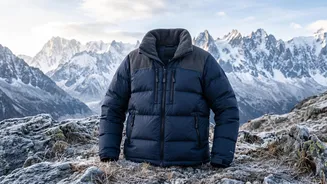
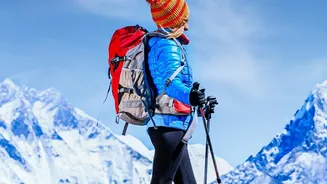
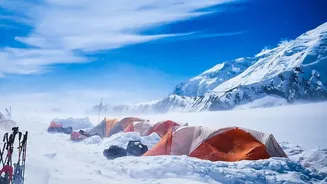
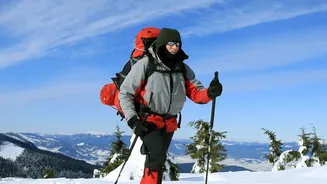
A clear morning can quickly turn into a windy afternoon with rain or even snow. Daylight hours also decrease significantly during this period, meaning less time to complete daily stages. Experts recommend always carrying a full set of waterproof gear, including a jacket, trousers, and a backpack cover, and keeping it easily accessible. Dressing in layers is a non-negotiable strategy, allowing you to adapt to temperature swings by adding or removing insulation as needed. A moisture-wicking base layer, a warm fleece or down mid-layer, and a windproof/waterproof outer shell form the core of a mountain-ready clothing system.
Acclimatise, Don't Rush
Altitude sickness, or Acute Mountain Sickness (AMS), is a serious risk on any high-altitude trek and is a primary concern for safety experts. It occurs when your body doesn't have enough time to adjust to the lower oxygen levels at higher elevations. Symptoms can range from headaches and nausea to life-threatening conditions like High-Altitude Pulmonary or Cerebral Edema (HAPE/HACE). The golden rule is gradual ascent. Experts recommend not increasing your sleeping altitude by more than 300-500 metres per day once you are above 3,000 metres. The principle of 'climb high, sleep low' is a trusted technique: climb to a higher point during the day before descending to a lower altitude to sleep. It's also crucial to schedule rest days every 1,000 metres you ascend. Staying well-hydrated by drinking plenty of water, eating a high-carbohydrate diet, and avoiding alcohol are also vital for proper acclimatisation.
Gear Up with Purpose
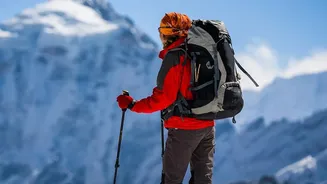
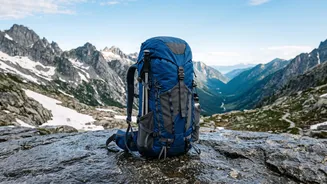
Your equipment is your lifeline in the mountains. Post-monsoon treks often mean encountering colder temperatures and the possibility of snow on high passes. A comprehensive gear list is essential. Experts stress the importance of broken-in, waterproof trekking shoes with good grip. Trekking poles are highly recommended to aid balance on slippery or uneven terrain. For clothing, beyond the layering system, essentials include multiple pairs of woollen socks, liner gloves and warmer insulated gloves, and warm headwear like a beanie or balaclava. A headlamp with spare batteries is critical for early morning starts or navigating around camp after sunset. Other non-negotiables include high-SPF sunscreen, UV-protection sunglasses, and a personal first-aid kit with any necessary medications.
Vet Your Guide and Agency
The quality of your guide can make or break your expedition, both in terms of enjoyment and safety. A good guide does more than just show the way; they manage pacing, recognise early signs of altitude sickness, and know how to respond in an emergency. Experts advise choosing a reputable trekking agency with licensed, experienced guides who are trained in first aid. Before booking, ask about their safety protocols, emergency evacuation plans, and the guide's experience on your specific route. A government license is a baseline requirement, but true expertise comes from years of experience on the trails, a deep understanding of local conditions, and a professional attitude. Never be afraid to ask questions and trust your instincts when choosing who to trek with.
Listen to Your Body
Ultimately, you are the best judge of your own well-being. Physical fitness is important, but even the fittest trekker can be humbled by the altitude. Pushing through symptoms of exhaustion or illness is a common and dangerous mistake. Safety experts emphasise the importance of communicating openly with your guide if you feel unwell. A headache, unusual fatigue, or loss of appetite could be early signs of AMS and should not be ignored. There is no shame in turning back; the mountains will always be there. A safe trek is a successful trek, and listening to your body's signals is the most important rule of all.