








Planning a family holiday should be exciting, not stressful. But ensuring your hotel is truly accessible for everyone, from toddlers in strollers to grandparents, is key. Here's a simple checklist to make booking a breeze.
Start With the Entire Journey
Before you even think about the
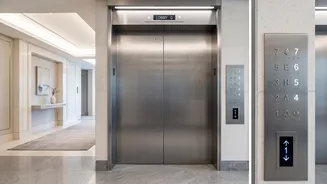
room, consider the full journey from the street to your door. The term 'accessible' on a booking website can be misleading if you can't get into the building smoothly. Start by checking the entrance: is it step-free or is there a ramp? Some hotels have an alternative accessible entrance, but you need to confirm it’s convenient and always open. Once inside, find out if the lift (or elevator) goes to all floors, including restaurants, pools, and other common areas. A beautiful accessible room is useless if the lift stops one floor short or is too small for a wheelchair or a double stroller.
Get Specific About the Lifts
A simple 'lift available' tag isn't enough information. For families managing mobility aids or strollers, the details matter. Ask for the lift's dimensions to ensure your equipment will fit. It’s also wise to inquire how many lifts the hotel has and if they are all consistently in service. In older buildings, particularly in historic European cities, lifts can sometimes be charmingly small, fitting only one person and no luggage. Another critical question experienced travellers ask is about the hotel's plan if the lift goes out of service. A property with a strong accessibility culture will have a ready answer, which provides peace of mind.
Interrogate the Room Layout
Once you've confirmed you can reach your floor, focus on the room itself. Doorway width is a critical first check; for wheelchair users, a minimum clear width of 32 inches is standard in many places. Inside, there must be enough clear floor space to navigate. A 60-inch turning radius is a common requirement for wheelchair users. Also, check the bed height. This is often unregulated and a very high mattress on a solid base can make transferring from a wheelchair difficult and block portable lifts. Don’t forget about controls for lights, air conditioning, and curtains—they should all be within a reachable height from a seated position.
Assess Bathroom Practicality
The bathroom is often where accessibility claims fall apart. Be extremely specific with your questions. Does the room have a roll-in shower with no lip, or is it a bathtub with a grab bar? These are two very different setups. If you need a roll-in shower, ask if it has a fold-down bench or if the hotel can provide a shower chair. Other crucial details include the toilet height and the placement of grab bars, which can be vital for safe transfers. Also, check if the sink has clearance underneath for a wheelchair user to roll up to it.
Look Beyond Your Room
A comfortable room is only part of the experience. Your family will want to use the hotel's other facilities. Ask if there is level or ramped access to the hotel bar, dining areas, and pool. A breakfast room with tables packed too tightly together or a restaurant that places its only accessible table in an inconvenient location can add unnecessary daily frustration. If travelling with children, you might also want to ask about family-friendly amenities like high chairs in the restaurant or the availability of cribs.
The Power of a Phone Call and Email
Online booking sites are a great starting point, but they rarely provide enough detail. The single most effective step you can take is to call the hotel directly—not the central reservations line, but the front desk at the property itself. Staff on-site can physically check a room or measure a doorway for you. After your call, send a follow-up email summarizing everything that was promised (e.g., a roll-in shower, a room near the lift). Ask for a written reply. This email thread becomes your proof of what was agreed upon and is invaluable if there are any issues at checkin.