



What Is Pazhanthanji?
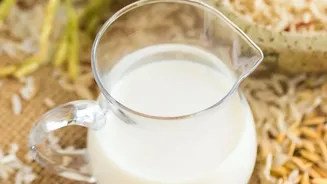
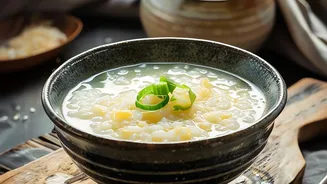
Pazhanthanji, also known as Pazhaya Soru or fermented rice gruel, is a simple, traditional dish with roots in South India. At its core, it's cooked rice that has been soaked in water and left to ferment overnight at room temperature. This humble porridge
was historically a staple breakfast for farmers and laborers, valued for providing sustained energy for a hard day's work. The fermentation process transforms the rice, creating a slightly tangy, cooling meal that is often mixed with shallots, green chilies, buttermilk, or curd before eating. While it may sound basic, the magic lies in that overnight fermentation, which unlocks a host of nutritional benefits.
The Fermentation Factor: A Probiotic Powerhouse
The primary health claim associated with Pazhanthanji is its powerful effect on gut health, and science backs this up. The overnight soaking allows for natural fermentation, which fosters the growth of beneficial lactic acid bacteria, such as Lactobacillus. These microorganisms act as natural probiotics, which are essential for maintaining a healthy gut microbiome. A thriving gut microbiome is linked to improved digestion, reduced inflammation, and a stronger immune system. These beneficial bacteria help break down anti-nutrients like phytic acid found in rice, making minerals like iron, calcium, and magnesium more bioavailable, meaning your body can absorb them more easily.
Beyond Gut Health: How It Fits a Fitness Diet
For those focused on fitness, Pazhanthanji offers more than just digestive support. First, it's a source of easily digestible carbohydrates, providing steady energy that can be ideal for pre- or post-workout meals. A 100g serving contains around 13 grams of carbohydrates and roughly 72 calories. The fermentation process also creates resistant starch, which is digested more slowly and can help stabilize blood sugar levels, preventing the energy crashes associated with simpler carbs. Furthermore, some studies show the fermentation process significantly increases the presence of B vitamins, particularly B6 and B12, which are crucial for energy metabolism. Its reputation as a body-cooling food also makes it a refreshing option after a strenuous workout, helping to rehydrate and replenish nutrients lost through sweat.
Incorporating It Into Your Routine
Making Pazhanthanji at home is incredibly simple. Start with leftover cooked rice (either white or red rice will work), place it in a clay or glass bowl, and cover it with enough water to submerge it completely. Cover the bowl loosely and let it sit on your counter overnight for about 8-12 hours. The next morning, the water will be slightly cloudy and the rice softened. To serve, you can mash the rice lightly and mix in salt, plain yogurt or buttermilk for added protein and probiotics, and finely chopped shallots or onions for flavor. Because it is relatively low in protein, pairing it with a side of eggs, dal (lentils), or another protein source can create a more balanced meal suitable for a fitness-oriented diet.
A Balanced Perspective
While Pazhanthanji offers numerous benefits, it's important to view it as part of a balanced diet, not a miracle cure. It is a carbohydrate-based dish, so portion control is key, especially for those managing blood sugar levels. Its glycemic index is considered medium, so pairing it with protein and fiber is a smart strategy to ensure a moderate insulin response. The taste can also take some getting used to if you're not familiar with fermented foods. However, for those looking to diversify their diet and naturally boost their gut health, this traditional porridge is a time-tested, nutrient-dense, and surprisingly functional food.