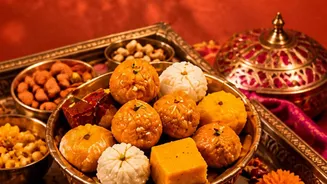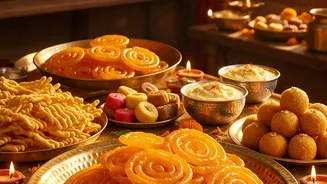

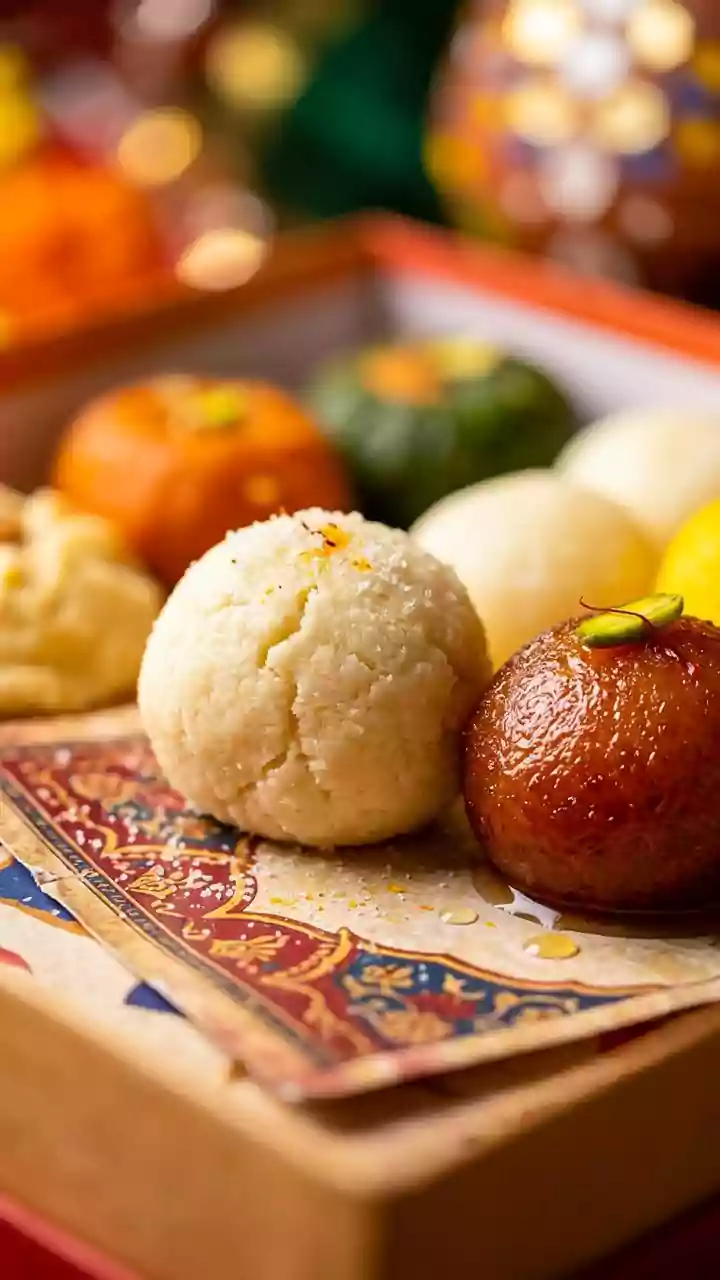
A Sweet Steeped in Sacred History
The story of Mathura's peda is inseparable from the city's identity as the birthplace of Lord Krishna. The Braj region, with its strong dairy farming culture, was a natural ground for milk-based sweets to flourish. Legends and folklore connect the peda directly
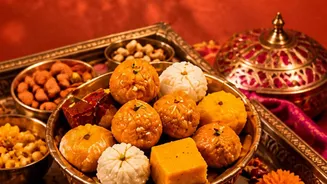
to Krishna, who had a legendary fondness for milk and butter. A popular tale recounts how his mother, Yashoda, accidentally over-heated milk, which thickened and browned. She sweetened this and gave it to Krishna, who loved it so much it became a staple offering. Today, this tradition continues with millions of pilgrims visiting Mathura's temples and purchasing peda as 'prasad'—a blessed food offering to be shared with family and friends. This spiritual significance elevates the peda from a simple confection to a revered symbol of devotion.
The Soul of the Peda: Mawa
At the heart of every authentic Mathura peda is one core ingredient: khoya, or mawa. This is not a quick process. Traditional halwais (sweet makers) start with full-fat milk, preferably from local cows in the Braj region, which is believed to have a richer flavour due to the local terroir. The milk is simmered for hours in large, heavy-bottomed pans called 'kadhais'. Constant stirring is crucial to prevent scorching as the water content evaporates, slowly concentrating the milk solids, fats, and natural sugars into a thick, crumbly mass. This slow reduction is the foundation, and the quality of the mawa directly determines the final taste and texture of the peda.
The Art of 'Bhun-na': A Taste of Caramel
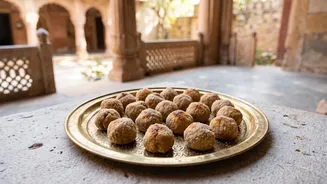
What truly distinguishes the Mathura-style peda from its paler cousins across India is the next step: 'bhun-na', or roasting. While many pedas are soft and white, the Mathura peda maker continues to roast the prepared mawa over a controlled, low flame. This is a patient art. This slow roasting process caramelises the milk sugars, a process known as the Maillard reaction. The mawa transforms, deepening in colour from creamy white to a characteristic golden or reddish-brown and developing a rich, nutty aroma. This step not only creates the iconic 'lal peda' (red peda) but also imparts a complex, caramel-like flavour that is far richer than that of un-roasted mawa.
Texture, Sweetness, and the Final Touch
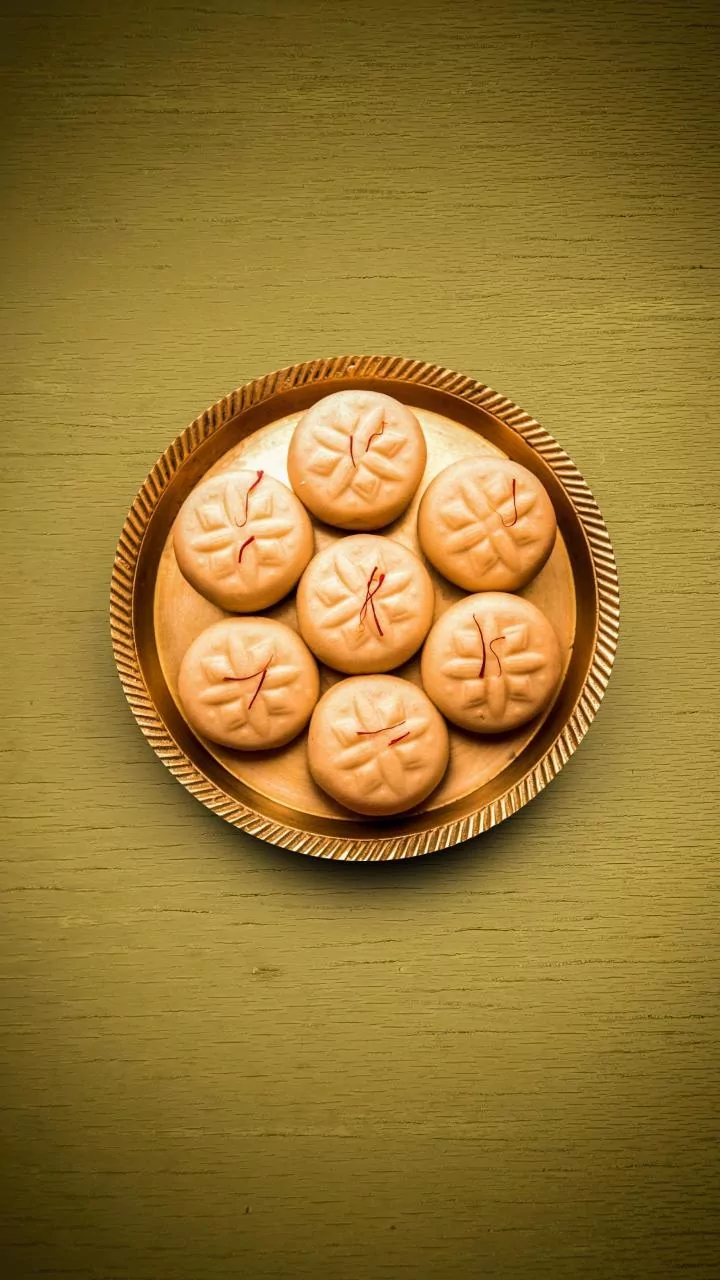
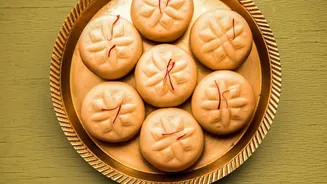
The roasting process does more than just add colour and flavour; it defines the peda's signature texture. Authentic Mathura peda is not perfectly smooth but has a distinctly soft yet grainy mouthfeel, which is considered a hallmark of quality. After roasting, the mawa is cooled slightly before sugar is added. Traditionally, a special type of unrefined sugar called 'tagar' or 'boora' is used. This sugar itself has a fine, crystalline texture that contributes to the final consistency. Once mixed with flavourings like cardamom, the pedas are shaped by hand into small, flattened discs. Often, they are rolled in a final coating of the same powdered 'tagar', giving them their classic, rustic appearance.
An Enduring Legacy in Every Bite
The combination of high-quality milk, slow reduction, patient roasting, and specific sugar gives the Mathura peda a longer shelf life than many other milk sweets, a practical benefit that helped it travel as a gift and souvenir. Its fame is such that 'Mathura ka peda' has become a brand in itself, mentioned in proverbs and folk songs. While the process to gain an official Geographical Indication (GI) tag has been underway to protect its authenticity from widespread adulteration, the true test remains in its taste. From its divine origins as a temple offering to the meticulous craftsmanship passed down through generations, each piece is a taste of Mathura's cultural and culinary soul.