








From Medical Tool to Fitness Gadget
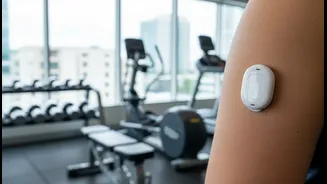
Originally developed for people with diabetes to track their blood sugar levels without constant finger pricks, a Continuous Glucose Monitor is a small, wearable sensor. Typically worn on the back of the upper arm, it measures the glucose in the interstitial
fluid just beneath the skin, sending real-time data to a smartphone app. Now, this technology is being adopted by athletes and wellness-focused individuals who don't have diabetes. They're using it as a bio-feedback tool to understand how their bodies respond to food, exercise, stress, and sleep on a metabolic level.
The Link Between Glucose and Recovery
So, what does blood sugar have to do with recovering from a tough gym session? A lot, it turns out. Effective recovery involves repairing muscle tissue, replenishing energy stores (called glycogen), and managing inflammation. Stable glucose levels are crucial for this process. Intense workouts deplete your muscle glycogen, and your body needs to replenish it. However, a massive, uncontrolled spike in glucose from the wrong post-workout meal can lead to an energy crash and promote inflammation—both of which hinder recovery. Conversely, maintaining stable glucose helps provide a steady supply of energy for muscle repair, can improve sleep quality, and keeps your body's stress responses in check—all vital components of bouncing back stronger.
Real-World Insights for Gym-Goers
Using a CGM, a gym-goer can get highly personalised feedback. For instance, you can see exactly how your pre-workout meal affects your energy levels during your session. You might discover that the seemingly healthy smoothie you drink is causing a rapid glucose spike and subsequent crash, leaving you feeling fatigued mid-workout. Post-workout, you can fine-tune your nutrition to see what combination of protein and carbohydrates replenishes your energy stores effectively without causing a huge, counterproductive spike. The data allows you to experiment and learn what works for your unique physiology, moving beyond generic advice. You can see if a post-dinner walk helps stabilise your glucose overnight, potentially leading to deeper, more restorative sleep—a cornerstone of recovery.
More Than Just Your Diet
Recovery isn't just about what you eat. A CGM can also reveal the hidden impact of other lifestyle factors. For example, a stressful day at work can cause a release of the hormone cortisol, which can raise your glucose levels, independent of food. Poor or insufficient sleep has also been shown to impair glucose regulation and insulin sensitivity. By seeing these fluctuations on a graph, you get tangible feedback on how stress and sleep are affecting your metabolic health and, by extension, your ability to recover from training. This can motivate you to prioritise sleep hygiene or incorporate stress-management techniques, knowing they have a measurable biological benefit.
The Indian Context and Caveats
In India, several companies like Ultrahuman, Healthify, and Sugar.fit have made CGMs accessible to the wellness market, often pairing the device with an app that provides analysis and coaching. However, the cost can be a significant factor, with sensors typically lasting for 14 days and requiring regular replacement. Prices for a two-week sensor can range from ₹4,000 to over ₹6,000. While the insights can be powerful, it's also important to be aware of the potential downsides. These include the risk of data obsession or health anxiety from watching every minor fluctuation. Experts also caution that while CGMs can be a great motivational tool, they are not a replacement for medical advice and are not meant to diagnose conditions.