





A Shift in the Café Scene
For years, the Indian café menu has been a predictable affair: coffee, tea, a few sandwiches, maybe a pasta dish, and a selection of cakes. While comforting, it was a formula that rarely strayed. Now, a new wave of cafés is rewriting that script. They
are looking east, specifically to Japan, Korea, and China, for inspiration and finding that vegetarian versions of iconic dishes resonate deeply with a new generation of Indian diners. This isn't just about adding new items; it's a strategic move to cater to an audience that is more globally aware and culinarily adventurous than ever before, yet still holds a strong preference for plant-based options.
What's Driving the Appetite for Asian Flavours?
Several cultural currents are feeding this trend. The explosion of K-dramas and Japanese anime has given millions of Indians a visual taste of dishes like ramen and kimchi, sparking curiosity. Simultaneously, there's a growing global and local interest in wellness and plant-forward diets. People are actively seeking out interesting, flavourful vegetarian food that goes beyond the usual paneer and dal. This has created the perfect opportunity for cafés to innovate. They are realizing that offering a well-made vegetarian katsu curry or a spicy tofu bao is not just a novelty but a genuine draw for customers who want something different.
The Art of Making It Accessible
A key part of this trend is 'accessibility'. Many authentic Asian dishes can be intimidating, either due to unfamiliar ingredients or the misconception that they are exclusively non-vegetarian. Modern cafés are bridging this gap. They adapt recipes to suit the local palate, often using familiar vegetables and creating sauces that balance authenticity with approachability. For instance, a ramen broth might be mushroom-based instead of pork-based, and gyoza might be filled with spiced vegetables or paneer. The café setting itself, which is more casual and less expensive than a fine-dining Japanese or Korean restaurant, also makes it easier for people to experiment without committing to a formal, costly meal.
The New Menu Stars
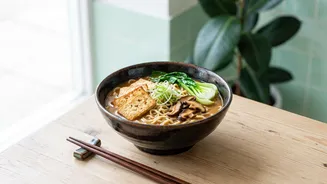
So, what are the standout dishes leading this vegetarian Asian wave? Veggie Gyoza, pan-fried dumplings with a crispy bottom and soft top, have become a popular starter. Bowls of vegetarian Ramen, with rich, umami-laden broths, noodles, and toppings like corn, mushrooms, and tofu, are becoming a comforting main course. Fluffy, steamed Bao Buns with fillings like spicy mushrooms or crispy tofu offer a satisfying, hand-held snack. And you can't forget Korean-inspired items; dishes using gochujang, a sweet and spicy Korean chili paste, are appearing in everything from loaded fries to paneer tikka, offering a familiar format with a new flavour twist.
More Than Just a Metro Trend
While this culinary shift is most visible in major metropolitan areas like Bangalore, Mumbai, and Delhi, its influence is beginning to spread. The same cultural drivers—global media, travel, and a desire for new experiences—are present in Tier-2 cities as well. As café culture becomes a way of life across the country, the demand for more diverse and interesting menus is growing. Local restaurateurs are taking note, adapting these global trends to their own communities. This suggests that the vegetarian Asian café menu is not a fleeting fad but a meaningful evolution in India's casual dining landscape.